


Hot sleepers often struggle with overheating at night, leading to restless sleep and discomfort. This blog explores how linen emerges as the ultimate fabric for cooling sleepwear, offering a breathable, eco-friendly solution tailored to men’s needs.
Why Linen is the Best Fabric for Cooling Sleepwear
Linen, derived from the flax plant, has been a cornerstone of wardrobes for centuries, and its merits in sleepwear are undeniable. Its natural fiber structure allows for exceptional airflow, making it perfect for hot sleepers. Unlike synthetic materials, linen doesn’t trap heat; instead, it promotes ventilation, keeping the body cool throughout the night. The fabric’s ability to wick moisture away from the skin is another key advantage. In India’s humid climate, where night sweats can be a persistent issue, linen’s moisture management ensures a dry and comfortable sleep experience. Additionally, linen is inherently eco-friendly, requiring fewer resources to produce compared to cotton or polyester, aligning with the growing preference for sustainable fashion choices.
Recommended for You
-
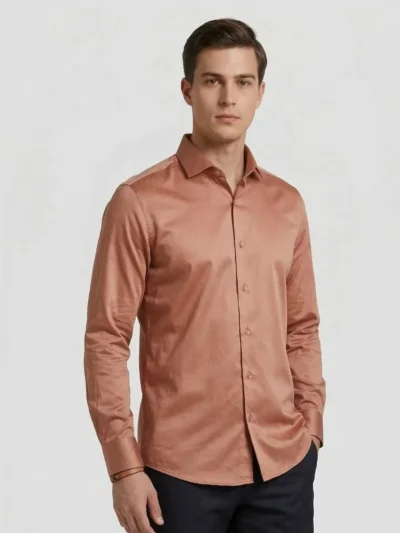
Giza-Silk | Copper Rust Long-Staple Giza Cotton Shirt
Original price was: ₹1,499.₹1,199Current price is: ₹1,199. -
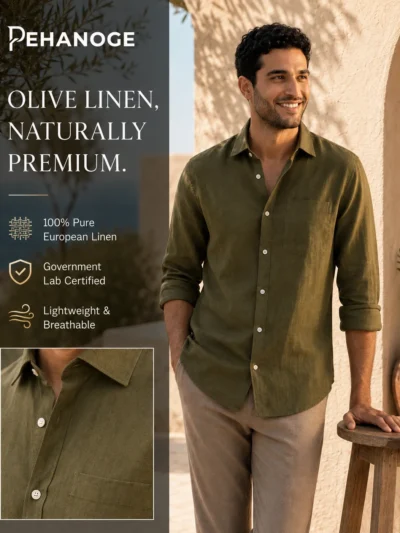
Oxy-Linen™ | Olive Green – 60 Lea European Linen Shirt
Original price was: ₹4,999.₹3,399Current price is: ₹3,399. -
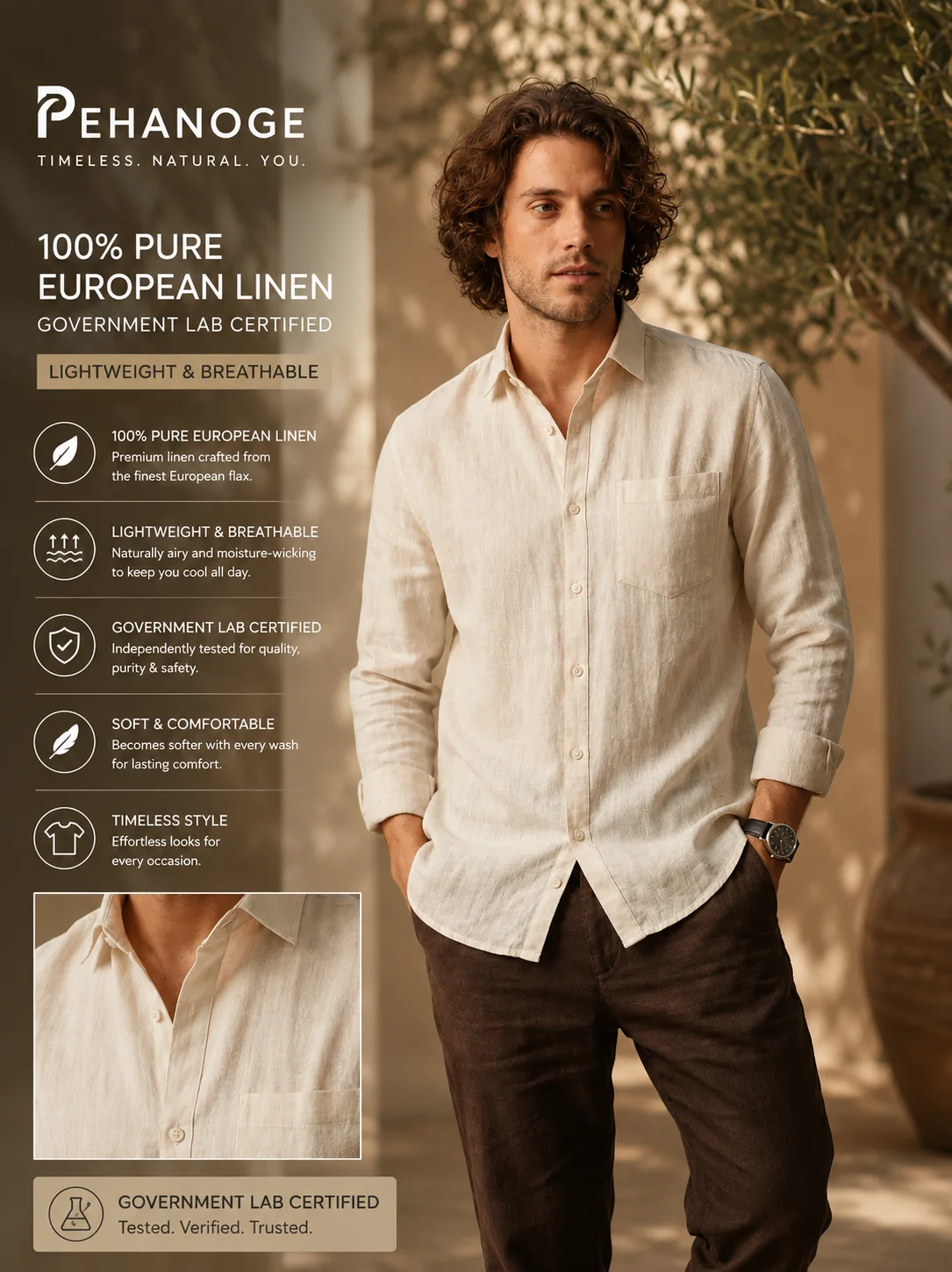
Oxy-Linen™ | Cinnamon Beige – 60 Lea European Linen Shirt
Original price was: ₹4,999.₹3,399Current price is: ₹3,399.
How Breathable Pajamas Improve Sleep Quality
Breathable sleepwear plays a crucial role in maintaining optimal body temperature during sleep. When fabric restricts airflow, the body’s natural cooling process is hindered, leading to frequent tossing and turning. Linen’s open weave allows air to circulate freely, reducing body temperature and promoting deeper sleep. For men, this translates to fewer interruptions and a more refreshed morning. The fabric’s lightweight nature also minimizes physical discomfort, making it ideal for those who find heavy pajamas restrictive. Moreover, breathable pajamas reduce the risk of skin irritation, a common concern for individuals who sweat excessively at night.
The Science Behind Temperature Regulation in Linen Sleepwear
Linen’s unique thermoregulatory properties stem from its molecular structure. The fibers are hollow, creating tiny air pockets that enhance insulation while allowing heat to escape. This dual action helps maintain a balanced microclimate next to the skin. Studies suggest that linen can regulate body temperature by up to 3 degrees Celsius, a significant factor in preventing overheating. The fabric’s natural moisture-wicking ability further aids in cooling by transporting sweat to the outer surface, where it evaporates quickly. This combination of breathability and moisture management makes linen particularly effective in tropical climates, where high humidity levels can exacerbate sleep issues.
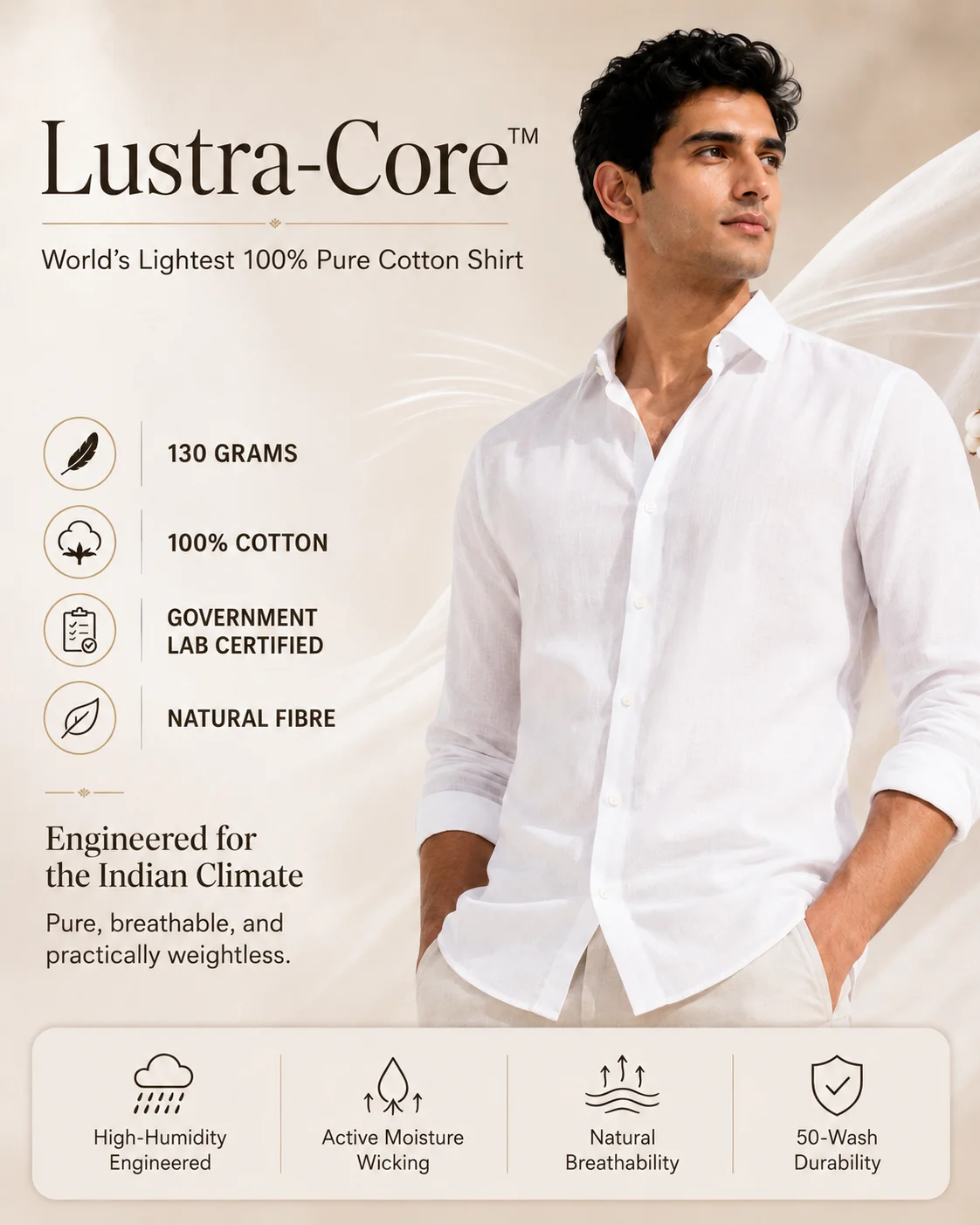
Lustra-Core™ Absolute White
Ultra-light pure cotton shirt engineered for Indian summers.
Common Mistakes When Choosing Sleepwear for Hot Sleepers
Selecting the right sleepwear for hot sleepers involves more than just picking a lightweight fabric. Overlooking weave density is a common error; tightly woven fabrics, even natural ones, can trap heat. Another mistake is neglecting color choices—darker colors absorb more heat, so opting for lighter shades like white or pastels can make a noticeable difference. Many men also ignore fabric care; improper washing can reduce breathability or alter the texture. Lastly, prioritizing style over comfort is a pitfall; while aesthetics matter, functionality should take precedence in sleepwear designed for temperature regulation.
Linen vs. Other Fabrics: A Hot Sleeper’s Guide
When comparing linen to other fabrics, cotton often comes to mind as a breathable alternative. However, linen outperforms cotton in moisture management and durability. While both are natural fibers, linen’s superior wicking ability keeps the body drier, crucial for hot sleepers. Synthetic fabrics like polyester, though lightweight, lack the breathability and eco-friendly credentials of linen. For Indian consumers, the availability of linen blends with traditional handloom textiles offers a middle ground between modern performance and cultural authenticity. Brands like Pehanoge have also started incorporating linen into their casual wear, showcasing its versatility beyond sleepwear.
In terms of practicality, linen’s wrinkle resistance and easy care make it a favorite among men who value convenience. While initial costs may be higher than synthetic options, the long lifespan of linen garments justifies the investment, especially in regions where durability is paramount due to frequent use.
Styling Linen Sleepwear for Men
Styling linen sleepwear for men goes beyond functionality—think relaxed-fit pajama sets, lightweight robe options for layering, and pairing with breathable cotton undergarments. Highlight versatility with athleisure-inspired cuts or minimalist designs that transition from night to casual daytime wear. For a modern look, pair a linen pajama shirt with tapered trousers or even Pehanoge’s relaxed joggers for a seamless shift from bedtime to brunch. Neutral tones like beige, grey, or ivory blend effortlessly with existing wardrobes, while subtle patterns can add visual interest without overwhelming the senses.
Buying Guide for Cooling Sleepwear
When shopping for cooling sleepwear, prioritize lightweight, loose weaves and check for OEKO-TEX certifications. Opt for undyed or naturally dyed linen to enhance breathability. Look for features like elastic waistbands, contrast stitching, and easy-care finishes that align with men’s practical preferences. In India, local brands often offer tailored fits considering regional body types and cultural preferences, ensuring both comfort and style. Reading customer reviews about fabric texture and shrinkage rates can also guide purchasing decisions.
Indian Context Angle
In India’s tropical climate, linen’s moisture-wicking properties and UV resistance make it ideal for year-round wear. Local artisans often blend traditional handloom techniques with modern sleepwear designs, offering affordable options that cater to regional humidity and cultural comfort preferences. The fabric’s ability to keep the body cool during monsoon months and provide insulation during cooler nights makes it a versatile choice. Additionally, linen’s biodegradable nature appeals to environmentally conscious consumers, aligning with India’s increasing focus on sustainable living. Brands are also experimenting with linen in casual wear, such as Pehanoge shirts, which combine the fabric’s cooling benefits with contemporary menswear trends.
FAQs
Is linen sleepwear suitable for all seasons?
Linen’s breathability makes it excellent for warm weather, but its ability to regulate temperature also benefits cooler months. Layering linen with thermal undergarments can extend its usability, making it a year-round choice. The fabric’s moisture management helps in monsoon seasons, while its UV resistance is advantageous in tropical climates.
How does linen compare to cotton for hot sleepers?
While both are natural, linen outperforms cotton in moisture-wicking and breathability. Linen’s hollow fibers create better air circulation, whereas cotton tends to retain more moisture. For hot sleepers, linen’s superior cooling properties make it the preferred option, especially in humid environments.
What’s the best way to care for linen pajamas?
Linen is low-maintenance. Wash in cold water, avoid bleach, and tumble dry on low heat. Ironing is optional as linen’s natural wrinkles add character. For Indian households, hand washing or gentle machine cycles preserve the fabric’s texture and extend its lifespan.
Can linen sleepwear help with night sweats?
Yes, linen actively wicks moisture away from the skin, reducing dampness associated with night sweats. Its breathability also prevents overheating, addressing the root cause. Men experiencing hyperhidrosis or living in high-humidity areas will find linen’s cooling effect particularly beneficial.