


The conversation around menswearis no longer confined to cut and colour; it now stretches into the very fibers that cling to our skin. As consumers become more conscious, the clash between natural and synthetic options has sharpened, especially when comparing flax to synthetic silk. This piece unpacks why flax is emerging as the go‑to eco‑friendly choice for Indian wardrobes, from the fields of Punjab to the boutiques of Bengaluru, and how it can seamlessly slot into everyday casual looks, including the comfortable Pehanoge shirts that many favour for their relaxed vibe.
Environmental Impact: Why Flax Outperforms Syntic Fibers in Sustainability
Flax grows with minimal irrigation, thrives on rainwater, and enriches the soil it’s planted in. Unlike petroleum‑based synthetics that release microplastics with every wash, flax’s lifecycle is essentially carbon‑neutral when responsibly harvested. Indian farmers are increasingly adopting flax as a rotational crop, reducing dependency on water‑intensive cotton and offering a tangible step toward greener agriculture. The result is a fabric that not only lessens the ecological footprint but also supports rural economies across the subcontinent.
Recommended for You

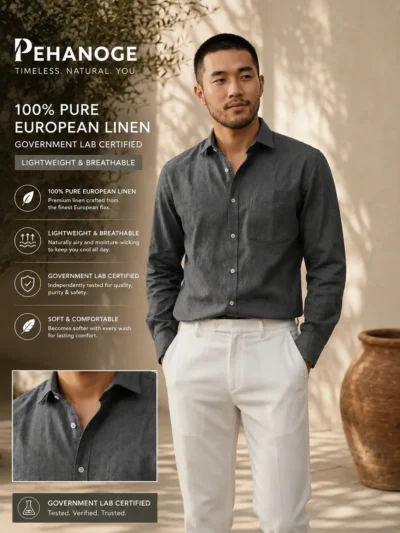
Oxy-Linen™ | Charcoal Grey – 60 Lea European Linen Shirt
Original price was: ₹4999.00.₹3399.00Current price is: ₹3399.00.-
Noble Stitch | Golden Bloom Giza Cotton Shirt
Original price was: ₹1999.00.₹1599.00Current price is: ₹1599.00. -
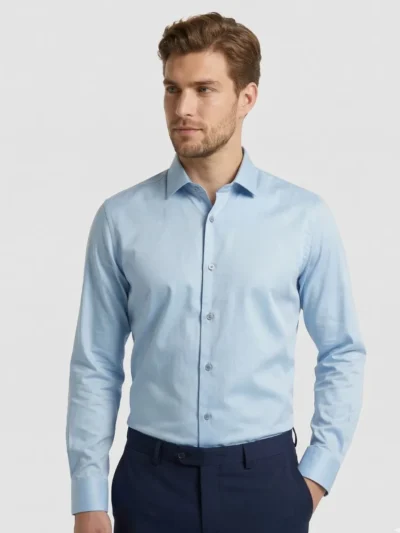
Giza-Silk | Sky Blue Long-Staple Giza Cotton Shirt
Original price was: ₹1499.00.₹1199.00Current price is: ₹1199.00.

The Natural Edge: Texture, Breathability, and Longevity of Flax Fabric
Flax fibers are inherently coarse yet soften with each wear, delivering a breathable finish that keeps you comfortable in both the humid monsoon and the scorching summer. The natural lattice of the fiber allows air to circulate, preventing the clammy feel that synthetic alternatives often produce. Moreover, flax’s tensile strength means garments retain shape and colour longer, translating into fewer replacements and less waste—a crucial consideration for the modern Indian man who values durability in his casual collection.
From Field to Fashion: How Green Textiles Are Revolutionizing Menswear
The journey of flax from seed to shirt is a story of innovation and tradition. In regions like Madhya Pradesh, start‑ups are partnering with agricultural cooperatives to source high‑quality flax, then processing it using low‑energy techniques. The resulting yarns are woven into denim‑like twill, breathable shirts, and even lightweight jackets that rival the aesthetic of synthetic silk while offering a distinctly Indian texture. This shift is reshaping runway shows and street style alike, proving that sustainability can be stylish without sacrificing cultural nuance.
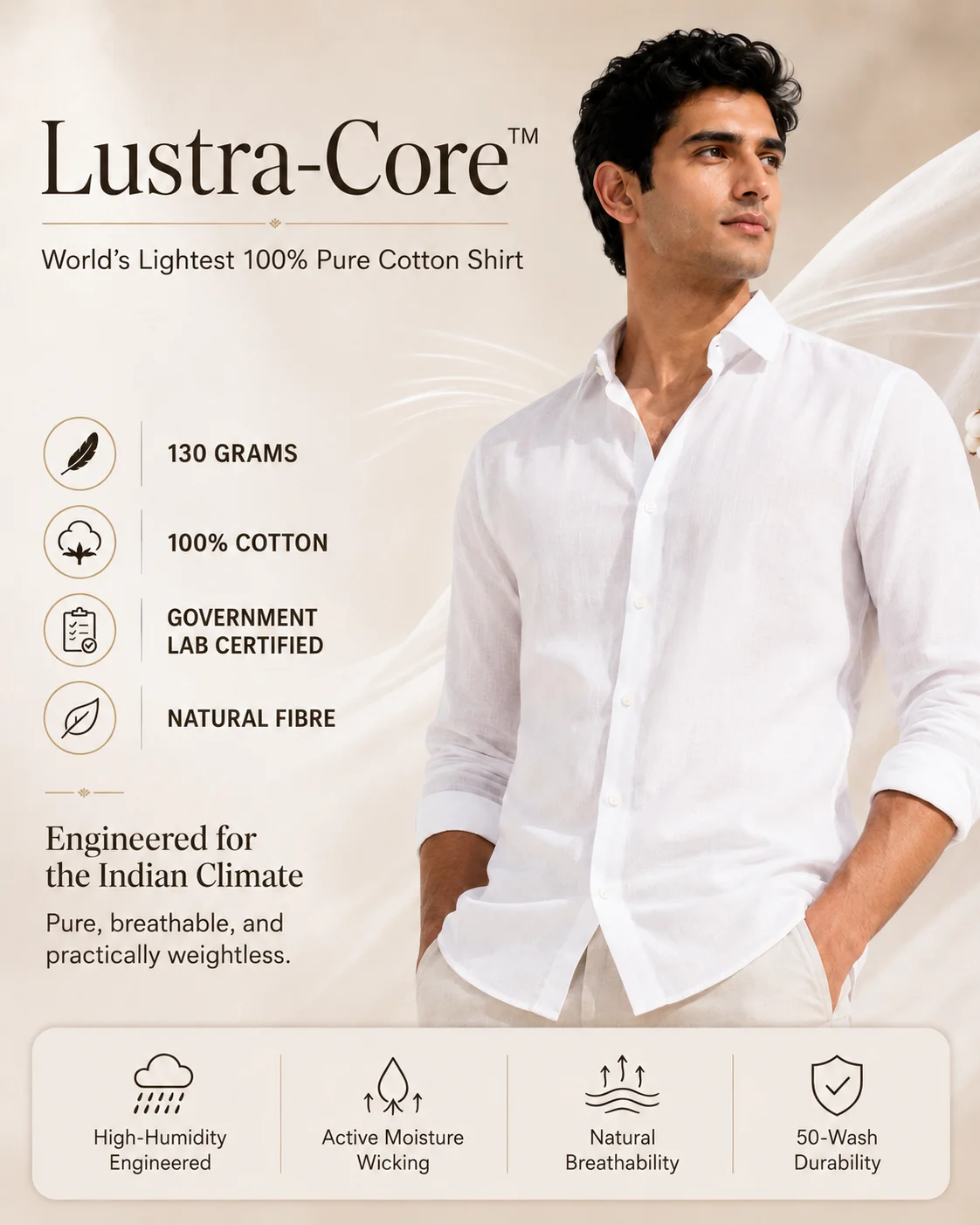
Lustra-Core™ Absolute White
Ultra-light pure cotton shirt engineered for Indian summers.
Biodegradable Clothing Solutions: Why Flax Leads the Way
When a flax garment reaches the end of its life, it doesn’t linger in landfills for centuries. The natural cellulose breaks down within months under the right composting conditions, leaving no toxic residues. This biodegradability aligns perfectly with India’s push for circular fashion, supported by government schemes that incentivise eco‑friendly raw materials. Brands that champion flax are also obtaining certifications such as GOTS and OEKO‑Tex, giving shoppers confidence that their purchases are genuinely sustainable.
Microplastic-Free Fashion: A Closer Look at Flax’s Role in Clean Clothing
Synthetic silk may mimic the sheen of natural fibers, but it sheds millions of microplastic particles each wash, polluting waterways and eventually our oceans. Flax, on the other hand, remains entirely free of plastic‑based polymers, ensuring that every rinse is a step toward cleaner ecosystems. For the environmentally conscious Indian consumer, choosing flax‑based pieces means contributing to a microplastic‑free wardrobe while still enjoying the luxe feel of modern menswear.
Styling flax for the modern man is straightforward: pair a crisp flax shirt with relaxed chinos for a weekend brunch, or layer a flax‑blend tee under a denim jacket for a casual office look. Seasonal adaptations are simple—opt for lighter weaves in summer and heavier twills in winter. Accessorise with recycled‑metal cufflinks or a bamboo watch to complete the ensemble, and you’ll find that Pehanoge shirts fit naturally into this eco‑centric aesthetic, offering comfort without compromising style.
FAQs
Is flax fabric truly biodegradable?
Yes. Flax is composed of natural cellulose that decomposes under composting conditions, leaving no harmful microplastics behind, making it a genuinely biodegradable textile.
How does flax compare to synthetic silk in terms of durability?
Flax fibres are stronger and more resilient than most synthetic silks. They retain colour and shape over many washes, whereas synthetic alternatives often pill or lose elasticity, giving flax a longer functional lifespan.
What certifications should I look for in eco‑friendly men’s clothing?
Seek certifications such as GOTS (Global Organic Textile Standard), OEKO‑Tex Standard 100, and Indian‑specific labels like the ‘Sustainable Textile Certification’ from the Ministry of Textiles, which verify low‑impact production and safe dyeing processes.