


Explore how linen for cooking blends safety, comfort, and style, making it a top choice for modern kitchen professionals and home chefs in India. The fabric everyone trusts for authenticity has come a long way in meeting today’s demands.
When it comes to kitchen wear, linen stands out for its unique properties. It’s more than just a practical choice—it’s a statement of quality and care. Many chefs and homemakers in our markets turn to linen for aprons and casual wear because it balances durability with a touch of elegance.
Recommended for You

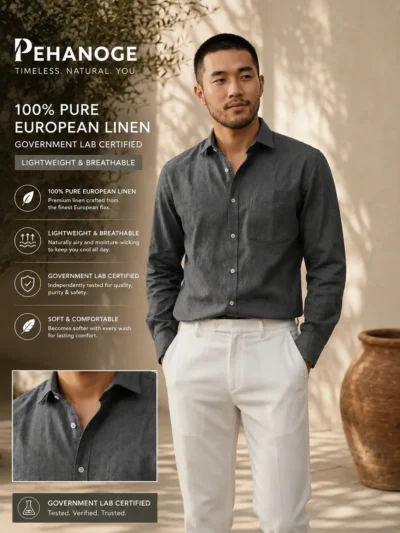
Oxy-Linen™ | Charcoal Grey – 60 Lea European Linen Shirt
Original price was: ₹4999.00.₹3399.00Current price is: ₹3399.00.-
Noble Stitch | Golden Bloom Giza Cotton Shirt
Original price was: ₹1999.00.₹1599.00Current price is: ₹1599.00. -
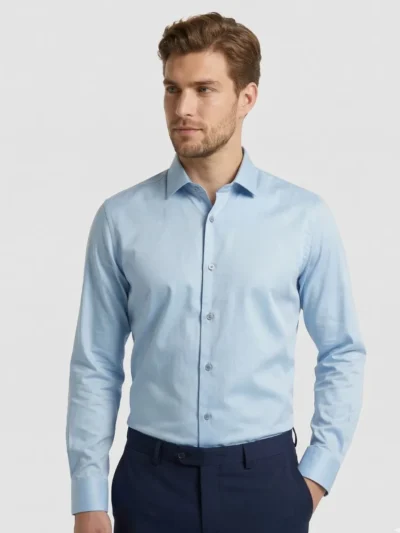
Giza-Silk | Sky Blue Long-Staple Giza Cotton Shirt
Original price was: ₹1499.00.₹1199.00Current price is: ₹1199.00.

Why Linen for Cooking Is the Safest Fabric for Kitchen Wear
Choosing the right fabric can be a decision that affects both safety and comfort. For anyone who spends long hours in the kitchen, linen offers a reliable solution. Unlike cotton, which can absorb moisture and retain sweat, linen stays manageable even after exposure to hot oils and steam. It’s also naturally breathable, helping to keep the skin dry and irritation-free during intense cooking sessions.
The safety aspect doesn’t stop there. Linen is less likely to cause rashes compared to some synthetic fabrics. This makes it ideal for those with sensitive skin. In a place where hands move frequently and temperatures fluctuate, linen provides a consistent barrier without compromising breathability.
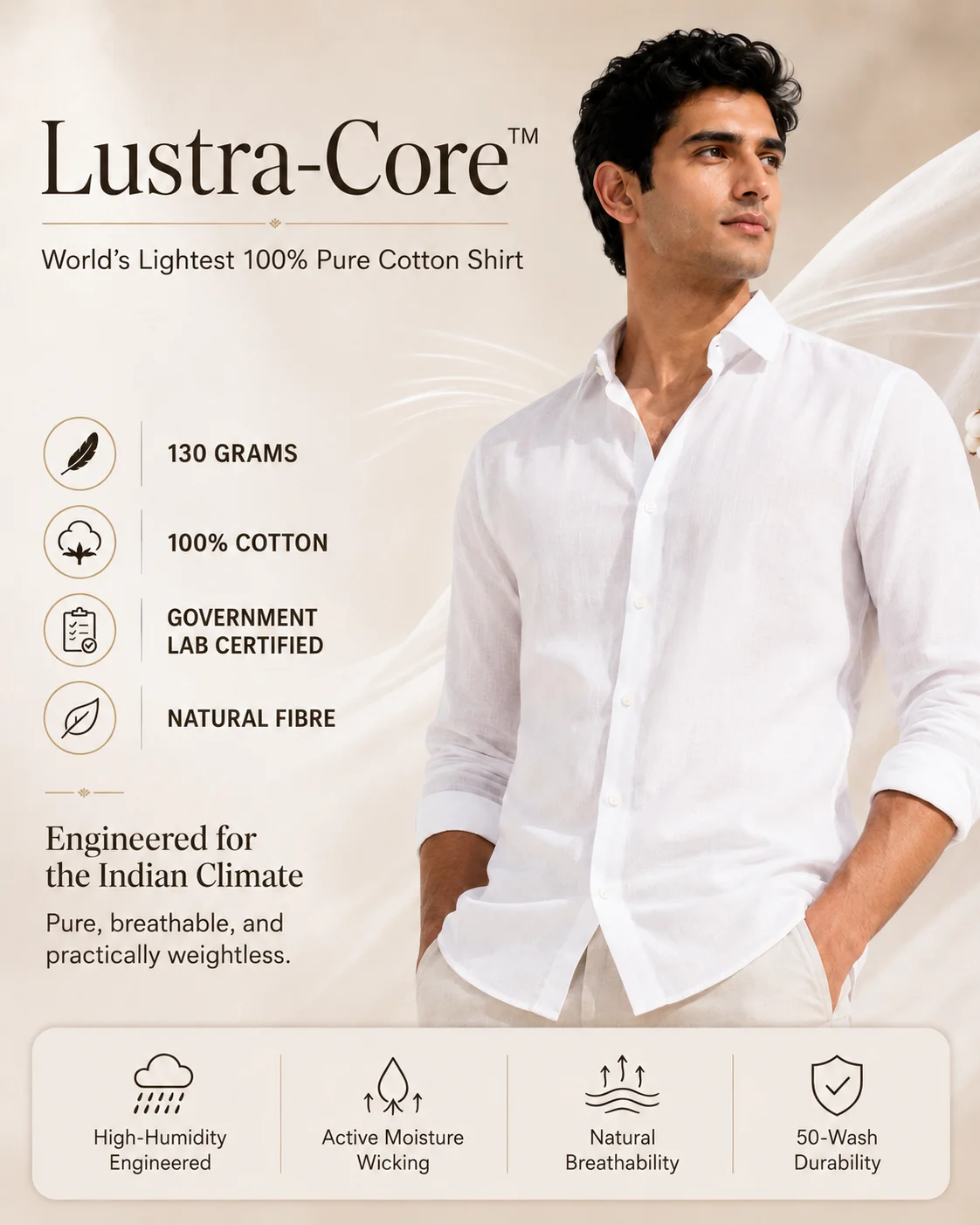
Lustra-Core™ Absolute White
Ultra-light pure cotton shirt engineered for Indian summers.
Heat Resistant Fabrics: Comparing Linen with Traditional Kitchen Materials
Traditional materials like cotton and polyester have long been used in kitchen wear. However, linen offers a different advantage—heat resistance. It doesn’t scratch or degrade easily under high temperatures, making it a better option for busy kitchen environments. Unlike cotton, which can soften quickly in the oven or during prolonged use, linen retains its structure and comfort. This quality ensures that your kitchen clothes remain functional and stylish over time.
In comparison to polyester-based alternatives, linen performs better in terms of longevity and comfort. It’s not just about looking good; it’s about lasting through the heat of the kitchen. Indian manufacturers are increasingly incorporating linen into Pehanoge shirts and casual wear, further proving its suitability for daily kitchen use.
Durable Aprons Made from Linen: Longevity Meets Comfort
A well-made apron is essential for any kitchen professional. Linen-based aprons deliver a perfect blend of durability and relaxation. With proper care, these pieces can withstand frequent washing and wear, offering a long-lasting solution. The texture of linen adds a soft touch that contrasts with the often-strict fabrics of the past. Moreover, its natural fibers are gentle on the skin, reducing the risk of discomfort during long cooking sessions.
In Indian households, where takeoff and run are common, linen aprons provide both practicality and style. They are easy to fold and store, making them a convenient choice for busy kitchens. The fabric’s lightweight nature ensures you stay cool even when working for extended periods.
Breathable Kitchen Style: How Linen Keeps You Cool Under Pressure
Keeping cool while cooking is crucial. Linen excels in this area, offering a breathable performance that other materials struggle to match. Its open weave allows air to circulate freely, preventing heat buildup around the body. This benefit is particularly valuable in tropical climates and during intense cooking activities.
For someone used to Pehanoge shirts or casual wear that balances comfort and function, linen aprons provide that same texture with added flexibility. You can move freely without the restriction caused by stiff fabrics. This sentiment resonates deeply with home chefs who value both style and practicality.
FAQs
Is linen for cooking truly heat resistant compared to cotton?
Linen is naturally more heat-resistant than cotton. Its tight weave resists temperature fluctuations better, making it a safer choice for hot kitchen environments.
How does the durability of linen aprons compare to polyester alternatives?
Linen lasts longer and retains its form better than polyester. With regular care, linen aprons maintain their shape and comfort, while polyester can wear thin after prolonged use.
Can linen kitchen wear be easily washed without losing its shape?
Yes, linen is easy to wash and keeps its structure intact. With gentle handling, it stays crisp and functional even after repeated washing.
What care tips help maintain the breathability of linen in a busy kitchen?
- Use cold water when washing
- Air dry rather than twist
- Avoid harsh detergents
- Store in a scent-free drawer to preserve freshness
Linen in Indian kitchens reflects a mindful choice—combining tradition with modern practicality. Whether you’re a seasoned home chef or a professional kitchen worker, linen offers a versatile option that supports safety, comfort, and style every time you step into the cooking space.