



Linen has been a cornerstone of Indian textiles for centuries, woven into the cultural fabric of our subcontinent. Today, as conscious consumerism grows, many men are asking whether linen truly holds an edge over newer alternatives like bamboo when it comes to sustainability. The answer, rooted in how these fabrics are grown, processed, and worn, leans decidedly in linen’s favor.
Linen vs Bamboo: Which Eco-Friendly Fabric Wins?
When we talk about sustainable fashion, the conversation often begins with the raw material. Linen is derived from the flax plant, a crop that thrives in temperate climates and requires minimal intervention to grow. Bamboo, on the other hand, is marketed as a green miracle, but the reality of turning woody bamboo stalks into soft fabric involves considerably more complexity than the advertising suggests.
Recommended for You

Essentials | ICE BLUE Enriched Cotton Shirt
Original price was: ₹1499.00.₹999.00Current price is: ₹999.00.-
Oxy-Linen™ | Pure White – 60 Lea European Linen Shirt
Original price was: ₹4999.00.₹3399.00Current price is: ₹3399.00. -
RUGGED-NAP | CHARCOAL CHECKED SHIRT
Original price was: ₹1499.00.₹1299.00Current price is: ₹1299.00.


For the Indian consumer, this distinction matters. We live in a country where textile waste and water scarcity are pressing concerns. Choosing a fabric that respects both the environment and our traditional craftsmanship makes sense. Linen shirts from brands like Pehanoge exemplify this balance—offering breathable, durable garments that align with our climate and values.
Processing Chemicals in Linen vs Bamboo Production
This is where the difference becomes striking. Producing linen requires relatively few chemicals. The flax fibers are extracted through retting, a natural process that uses moisture to break down the plant material. While some processing aids may be used, the linen industry has moved toward more eco-friendly methods, especially in regions that prioritize sustainable manufacturing.
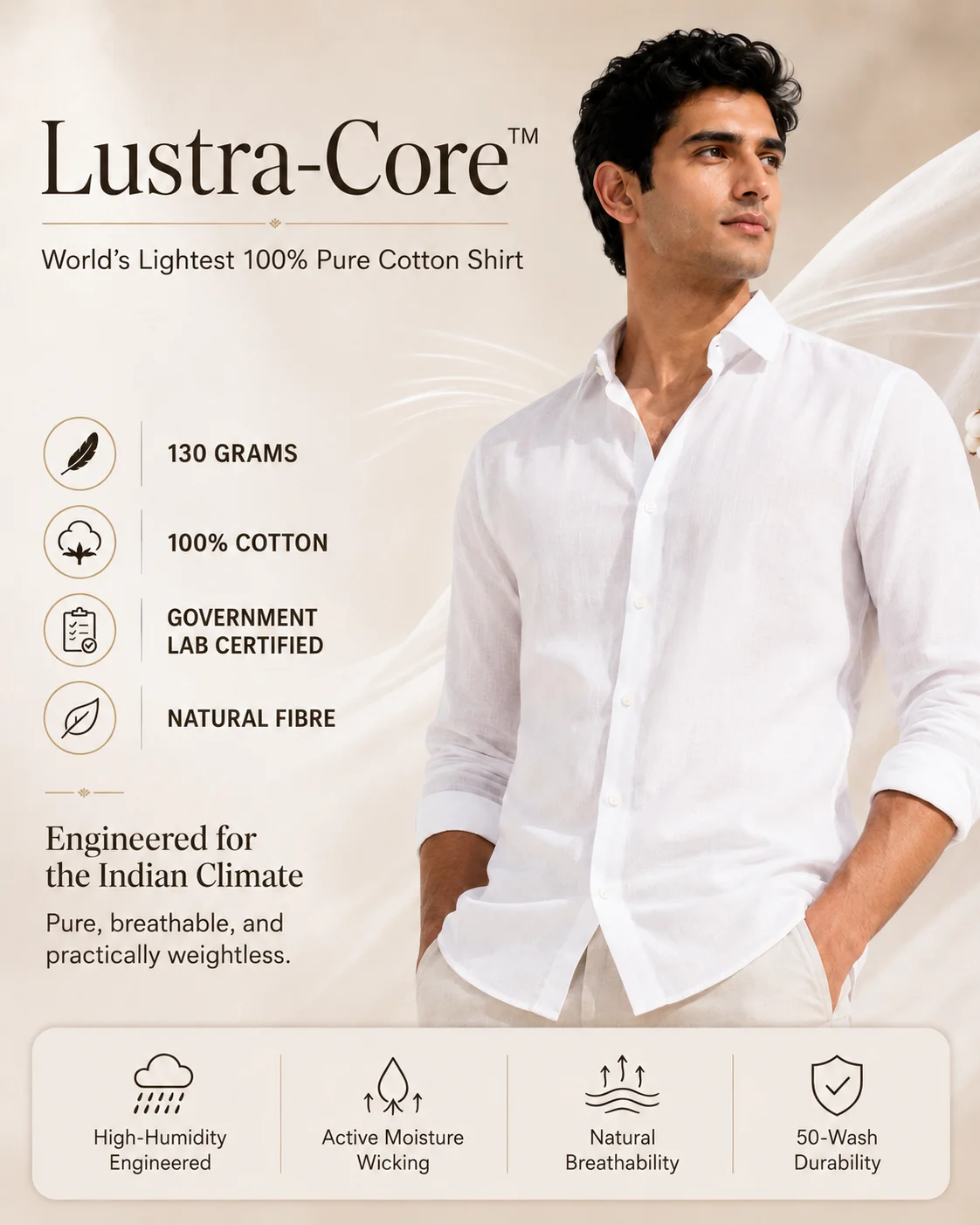
Lustra-Core™ Absolute White
Ultra-light pure cotton shirt engineered for Indian summers.
Bamboo, however, presents a different picture. The most common method to transform rigid bamboo stalks into usable fiber involves chemical treatments with substances like sodium hydroxide and carbon disulfide. These chemicals can pose environmental risks if not properly managed, and the processing often occurs in facilities with varying standards. Some bamboo fabrics on the market today are produced with better practices, but the baseline chemical intensity remains higher than linen.
For the conscious buyer, this matters. A linen kurta or casual shirt carries a lighter chemical footprint than its bamboo counterpart, making it a more responsible choice for everyday wear.
Sustainable Farming Practices: Linen’s Low-Impact Growth vs Bamboo’s Intensive Cultivation
Flax is a resilient crop that grows well in poor soil and requires minimal irrigation. It can be cultivated without extensive pesticide use, especially when grown using traditional methods. In India, flax cultivation supports rural livelihoods and maintains agricultural diversity.
Bamboo, while technically a grass, is often grown in large monoculture plantations to meet industrial demand. These plantations can lead to soil degradation over time and may require more water than commonly assumed. The rapid growth of bamboo is impressive, but sustainable harvesting practices are not always followed, and the environmental benefits can be overstated.
For Indian men seeking to make responsible wardrobe choices, linen represents a return to low-impact agriculture that our farmers have understood for generations.
Lifecycle and End-of-Life Impact: Linen’s Advantage in the Linen vs Bamboo Debate
Durability is a key sustainability metric, and linen excels here. A well-made linen shirt can last a decade or more with proper care, becoming softer with each wash. This longevity reduces the need for frequent replacements, a crucial factor in combating fast fashion.
Bamboo fabrics, while comfortable, tend to wear faster. The fibers break down more quickly, meaning consumers may find themselves replacing bamboo garments more often. Additionally, bamboo fabrics can be harder to recycle at the end of their life, whereas linen is fully biodegradable and can return to the earth.
For those building a capsule wardrobe, investing in quality linen pieces like Pehanoge’s casual wear collection makes both environmental and practical sense.
Discover Versatile Ways to Style Linen Garments
One of linen’s greatest strengths is its versatility. In India’s diverse climate, linen offers breathable comfort for summer days while layering well during cooler evenings. A linen shirt pairs effortlessly with traditional churidars for a fusion look or with tailored trousers for office wear.
For casual occasions, consider a relaxed-fit linen shirt with cotton pajamas or denim. The fabric’s natural texture adds visual interest without appearing overly formal. Linen kurtas work beautifully for family gatherings, while linen trousers offer a sophisticated alternative to synthetic office wear.
The key is embracing linen’s natural drape and slight wrinkling—these characteristics are part of its charm and indicate authentic quality.
Key Factors to Evaluate When Buying Linen or Bamboo Clothing
When shopping for sustainable menswear, consider these points:
- Fabric weight: Linen comes in various weights, from lightweight summer shirts to heavier fabrics for jackets
- Care requirements: Linen is machine washable and becomes softer with age, while some bamboo fabrics require gentler handling
- Sustainability certifications: Look for recognized standards that verify environmental claims
- Brand transparency: Companies like Pehanoge provide clear information about their sourcing and manufacturing
Why Linen Aligns Better with India’s Hot Climate and Traditional Aesthetics
India’s climate demands breathable, moisture-wicking fabrics. Linen excels in heat, allowing air to circulate and keeping the wearer cool. Its moisture management properties outperform many synthetic and semi-synthetic alternatives.
Aesthetically, linen complements Indian sensibilities. The fabric’s natural sheen and textured appearance align with our appreciation for handloom and artisanal quality. Supporting linen production also means supporting traditional weaving communities across the country.
FAQs
Is linen really more sustainable than bamboo in terms of water usage?
Yes, linen generally requires less water than bamboo. Flax is a rain-fed crop in many regions, while bamboo plantations often need irrigation. The retting process used in linen production also uses significantly less water than the chemical processing required for bamboo fiber.
Do bamboo fabrics require more chemical processing than linen?
Absolutely. Converting bamboo from its woody stalk form to usable fiber involves intensive chemical treatments. Linen processing, by contrast, relies more on mechanical and natural methods, resulting in fewer harmful substances in the final fabric.
Can I blend linen and bamboo, or should I stick to one for eco-friendliness?
Blending is possible, but it dilutes the sustainability benefits of linen. If your priority is environmental responsibility, choosing 100% linen ensures you’re getting the full advantage of its lower-impact production. Blends may offer different textures but often combine the drawbacks of both materials.
How does the cost of linen compare to bamboo for Indian consumers?
Linen tends to be priced higher due to its labor-intensive production and longer lifespan. However, this initial investment pays off over time as linen garments last significantly longer than bamboo alternatives. For the Indian consumer, choosing linen means investing in quality that serves you for years.