



When it comes to modern menswear, linen stands out as a fabric that bridges tradition and innovation. Its unique properties, rooted in centuries of use, are now being reinterpreted for today’s lifestyle needs. Understanding linen’s scientific advantages reveals why it’s a smart choice for men navigating everything from sweltering Indian summers to global travel. The fabric’s natural breathability, moisture-wicking capabilities, and structural resilience make it a compelling option for both formal and casual wardrobes.
Linen Drying Mechanism
Linen’s ability to dry quickly isn’t just a convenience—it’s a testament to its fibrous structure. Derived from the flax plant, linen fibers are hollow, creating tiny air pockets that facilitate rapid moisture evaporation. This natural mechanism means sweat doesn’t cling to the fabric, keeping the wearer comfortable during long days. For Indian men dealing with humidity, this translates to garments that stay fresh longer, whether worn as a Pehanoge shirt during a summer wedding or paired with chinos for a Friday office look.
Recommended for You
-
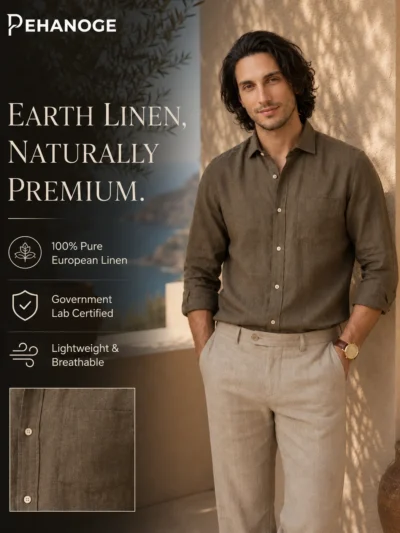
Oxy-Linen™ | Coffee Brown – 60 Lea European Linen Shirt
Original price was: ₹4,999.₹3,399Current price is: ₹3,399. -
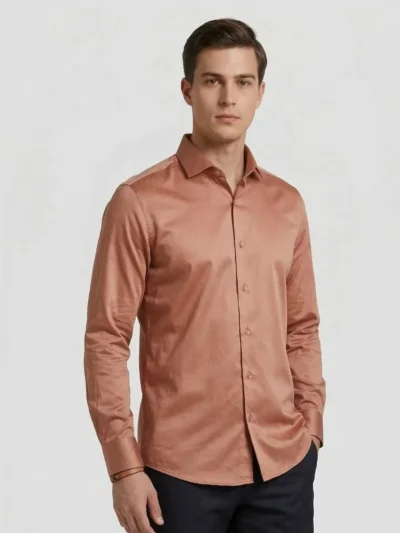
Giza-Silk | Copper Rust Long-Staple Giza Cotton Shirt
Original price was: ₹1,499.₹1,199Current price is: ₹1,199. -

Oxy-Linen™ | Pure White – 60 Lea European Linen Shirt
Original price was: ₹4,999.₹3,399Current price is: ₹3,399.
The drying process also contributes to linen’s longevity. Unlike cotton, which can retain moisture and lead to wear-and-tear from repeated wetting, linen’s structure remains intact even after frequent washing. This makes it ideal for workwear, where durability meets comfort—a balance that’s crucial for professionals who demand both style and function.
Material Science Insights
Linen’s strength lies in its cellulose composition, which forms a crystalline structure during processing. This gives the fabric a high tensile strength, meaning it can withstand stress without tearing. The fibers are also naturally resistant to fungi and bacteria, a boon in India’s tropical climate. Additionally, linen softens with each wash, developing a lived-in texture that adds character to pieces like casual kurtas or linen trousers.
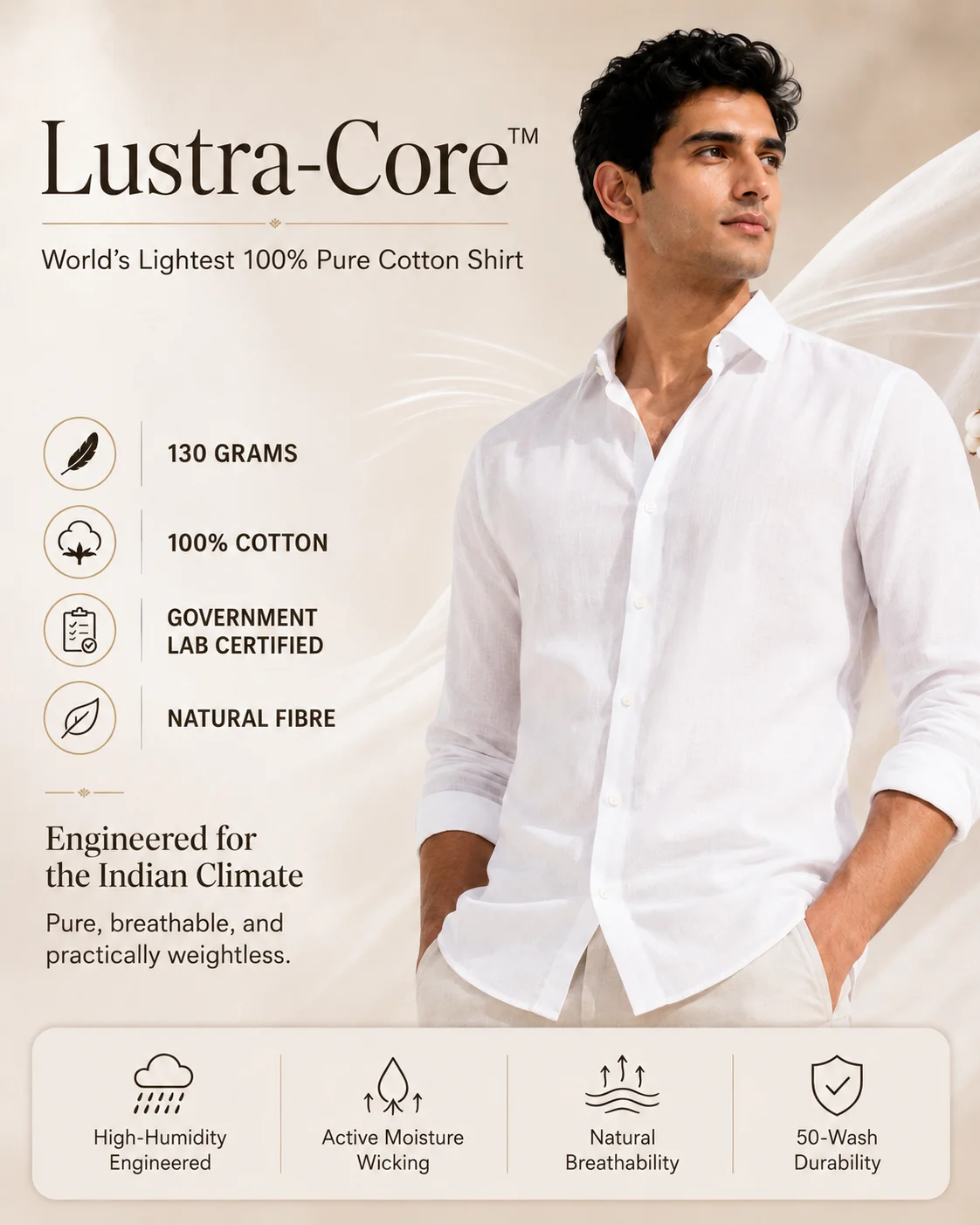
Lustra-Core™ Absolute White
Ultra-light pure cotton shirt engineered for Indian summers.
Modern advancements have enhanced linen blends, incorporating elastane for stretch or synthetic fibers for wrinkle resistance. These innovations maintain the fabric’s core benefits while addressing contemporary demands. For instance, a Pehanoge shirt with a linen-cotton blend offers the best of both worlds: the breathability of linen and the softness of cotton.
Performance Implications
The practical benefits of linen extend beyond personal comfort. Its quick-drying nature reduces the need for energy-intensive drying methods, making it an eco-friendly choice. For Indian men juggling busy schedules, linen’s low-maintenance qualities are a win—wrinkles smooth out naturally, and the fabric doesn’t hold odors, reducing the frequency of washes.
In hot climates, linen’s temperature-regulating properties ensure that the body stays cool. This is particularly advantageous for outdoor work or travel. Whether you’re navigating the bustling streets of Mumbai or attending a summer wedding, linen’s performance remains consistent, offering a reliable base for layering or standalone outfits.
Linen Elegance for Contemporary Men
Linen’s versatility shines in its ability to transition from day to night. A crisp linen shirt paired with tailored trousers exudes sophistication, while the same piece can be dressed down with jeans for a relaxed weekend vibe. In India, where formality often meets casual aesthetics, linen’s neutral palette and natural texture make it a staple for events ranging from Diwali gatherings to corporate meetings.
Brands like Pehanoge have embraced linen’s potential, crafting shirts that blend traditional craftsmanship with modern cuts. These pieces are perfect for men who appreciate understated elegance. For casual wear, linen shorts or jackets pair seamlessly with ethnic accessories, creating a look that’s both rooted and refreshing.
Selecting Durable Linen Fabrics
Choosing quality linen involves more than aesthetics. Look for tightly woven fabrics with a smooth texture—loosely woven linen may pill over time. Examine the thread count; higher counts often indicate better durability. Opt for pre-washed linen if you prefer a softer feel from the first wear. For garments like Pehanoge shirts, ensure the seams are reinforced to handle the fabric’s slight shrinkage after washing.
In India, where textiles are deeply valued, investing in authentic linen pays off. Local artisans often produce handwoven variants that not only support sustainable practices but also offer unique textures that stand out in a crowd.
Cultural Relevance in Indian Attire
Linen’s history in India dates back centuries, with traditional garments like dhotis and kurtas made from hand-spun variants. Today, it’s experiencing a revival as men seek fabrics that align with sustainability and comfort. The material’s adaptability makes it suitable for both urban and rural settings—a linen kurta can easily transition from a village wedding to a city café.
Its breathability is particularly advantageous during festivals like Holi or Durga Puja, where comfort is paramount. Linen’s natural sheen and earthy tones also complement the rich colors of Indian ethnic wear, adding a layer of sophistication to traditional ensembles.
FAQs
How does linen’s absorbency affect workwear durability?
Linen’s absorbency allows it to wick moisture away from the skin, preventing the buildup of sweat that can degrade fabric over time. This reduces wear caused by prolonged dampness, making linen workwear more durable than cotton alternatives in humid conditions.
Is technical fabric choice cost-effective for men?
Yes. While linen may have a higher upfront cost, its longevity and reduced need for ironing or special care make it cost-effective in the long run. For Indian men wearing the same shirts repeatedly, this translates to savings over time.
Does linen require special care for longevity?
Linen is low-maintenance. It can be machine-washed in cold water and air-dried. Avoid using fabric softeners, as they can coat the fibers and reduce absorbency. Ironing is optional, as wrinkles naturally fall out with wear.
Can speedier drying replace middleware?
Speedier drying is beneficial, but it doesn’t eliminate the need for proper care. Linen’s quick drying reduces reliance on mechanical dryers, but following wash care instructions ensures longevity. It’s a complementary advantage rather than a total replacement.