



Transforming a lackluster linen wardrobe can feel like a daunting chore, but with the right home dyeing tricks you can bring fresh hues to your pehno galleries without splashing on new shirts or hiring costly tailor services. Think of those old white linen shirts you keep for formal occasions—why not give them a splash of royal blue, earthy ochre, or muted sage green? The process is straightforward, economical, and surprisingly versatile. In India, where linen mixes beautifully with the humid climate and agricultural heritage, dyeing at home opens up a whole palette of tradition and contemporary style.
Essential Prep Steps Before Dyeing Linen Fabric at Home
Before you dip your shirts into vats of colour, a few preparatory actions ensure a smooth outcome:
Recommended for You

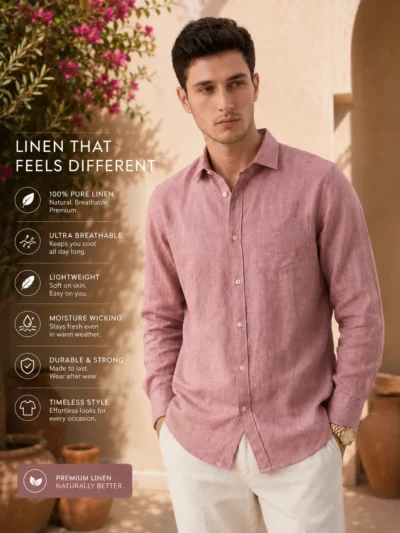
Oxy-Linen™ | Lemon Yellow – 60 Lea European Linen Shirt
Original price was: ₹4999.00.₹3399.00Current price is: ₹3399.00.-
Oxy-Linen™ | Dusty Rose – 60 Lea European Linen Shirt
Original price was: ₹4999.00.₹3399.00Current price is: ₹3399.00. -
RUGGED-NAP | RUST CHECKED SHIRT
Original price was: ₹1499.00.₹1299.00Current price is: ₹1299.00.


- Wash and Pre‑wash: Remove any sizing, detergents, or oil that might interfere with dye absorption. Use a mild detergent; avoid bleach.
- Check for Stains: Dye will set with pigments, so pre‑treat any spots.
- Dry Completely: Damp fabric absorbs dye unevenly.
- Mix Dye Correctly: Follow the brand’s ratio meticulously—fiber‑reactive dyes for linen require a 2:1 water‑to‑dye ratio for a saturated shade.
- Prepare a Dye Booth: Cover worktops with plastic or old sheets; lane your rack with rust‑free tools.
Choosing the Best Fiber‑Reactive Dyes for Long‑Lasting Color on Linen
Fiber‑reactive dyes bond chemically with the cellulose in linen, producing vibrant, wash‑fast results. Brands such as Rit Dye, Wright & Sons, and the India‑based Indigo Lab offer excellent kits. Key pointers:
- Colour Retention: Look for “Wash‑Fast” tags; licensed dyes comply with safety standards.
- Eco‑Safety: Opt for non‑toxic, biodegradable formulas—important for sensitive skin and the environment.
- Bulk Options: Many suppliers provide bulk packs for schools or community groups at discounted rates.
Step‑by‑Step Process: How to Dye Linen Shirts Without Bleeding or Staining
- Temperature: Heat your dye bath to 95 °C (195 °F) for 3 hours for a rich result.
- Sequence: Place shirts one by one from the top layer; partial overlap ensures a uniform finish.
- Steady Stirring: Use a wooden spoon or a dedicated stirring stick to keep dye evenly suspended.
- Check Color Periodically: Dip a spare linen swatch to gauge saturation.
- Neutralise: After the main dyeing time, add a cup of white vinegar to the bath to neutralize pH and lock colour.
- Rinse Thoroughly: Rinse in cool water until water runs clear.
- Set With Soft Sunlight: Hang outside for a few hours to let the color set naturally.
Avoid Common Pitfalls
- Bleeding in the Wash: Pre‑wash twice—once with a mordant like diluted vinegar.
- Stinging in the Skin: Wear nitrile gloves and a face mask if you have acne or blepharitis.
- Messy Results: Use a dyeing spray bottle for precise application if you prefer a gradient or tie‑dyed look.
Natural Fabric Dyes vs. Synthetic Options: Which Works Better for Men’s Shirts?
| Aspect | Natural Dyes | Synthetic (Fiber‑Reactive) |
|——–|————–|—————————–|
| Colour Vibrancy | Often muted, but eco‑friendly and skin‑safe | Highly saturated, long‑lasting |
| Availability in Kirana Stores | Turmeric, indigo, madder red | Limited; usually online or craft markets |
| Safety | Biosafe, but can cause staining if not set properly | Often contains detergents; check labeling |
| Cost | Low, but may be expensive for bright hues | Moderate; bulk kits cheaper |
| Cultural Appeal | Tie‑dyed style iconic in Rajasthan, Gujarat | Modern, clean looks ideal for smart casual |
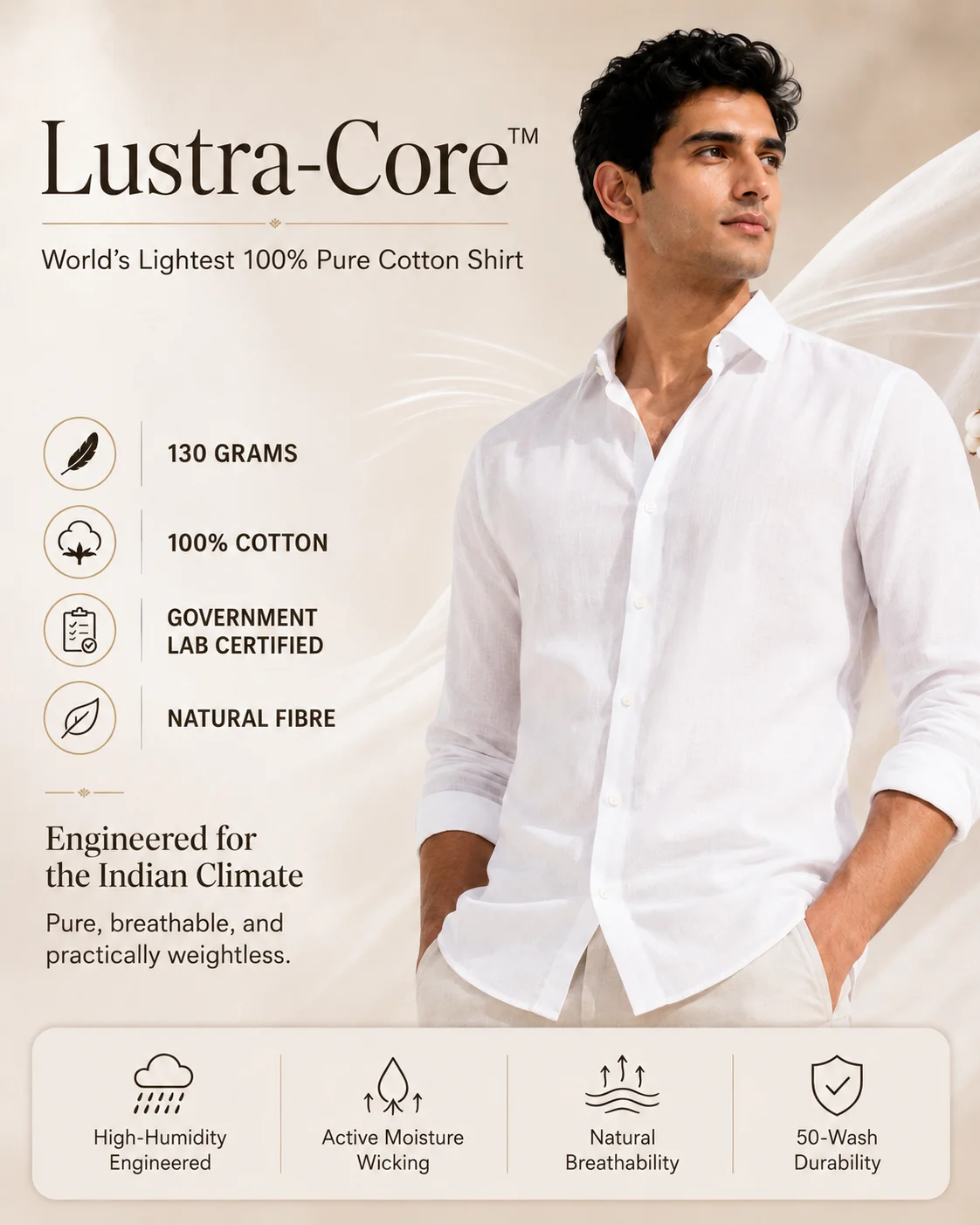
Lustra-Core™ Absolute White
Ultra-light pure cotton shirt engineered for Indian summers.
In practice, many men prefer synthetic fibers for everyday wear due to their permanency and wash‑fastness, especially under the humid climate of metro cities. However, natural dyes add an artisanal touch and lower the carbon footprint—perfect for weekend get‑aways or traditional celebrations.
Styling Your Newly Dyed Linen Shirts
Once you’ve re‑imagined your shirts, style them to suit any occasion:
- Smart Casual with Chinos: Pair a vintage‑saffron linen tee with navy chinos. Roll the sleeves to reveal a subtle cuff.
- Relaxed Weekend Vibes with Denim: Throw a mustard‑washed linen over a relaxed fit denim jacket. Finish with a pair of espadrilles for the desert summer.
- Layering for All‑Season Wear: During monsoon, layer a dyed linen shirt under a lightweight, unlined blazer.
- Sleeve Tricks: Rolling sleeves adds two‑way styling options: tucking in during workdays, leaving them down for leisure.
Peheňoge shirts in particular can be dressed up with a linen shirt; the lighter fabric swaddling around the torso lends an effortless, preppy edge.
What to Look for when Stocking Up on Dyeing Supplies
- Brand Reputation: Trust top‑rated names like Rit Dye or Indigo Lab; local retailers often distribute these brands.
- Tools:
- Measuring pots (cubic centimeters)
- Pliers for seamless threads
- Rubber gloves, goggles, and a well‑ventilated hood
- Linen Shirts for DIY: Search markets such as Khadi Bazaar, local handloom stores, or e‑commerce sites like IndiaMart that list suppliers from states like Gujarat and Tamil Nadu.
Leveraging Local Kirana Stores and Textile Markets
The canvas of India is filled with sources that cater to dye enthusiasts:
- Turmeric and Indigo: Harvest in the hills of Uttarakhand or the wild fields of Punjab. Small kirana shops often stock pre‑milled powders; pair with distilled water for a vibrant yellow or indigo navy.
- Tie‑Dye Technique: You can create a tie‑dyed effect on linen by folding fabric into a “bell” shape, tying each fold with a string, and applying indigo or mehndi dye.
- Online Platforms: Websites like Craftspree or EcoFab ship premium dye kit bundles across metro cities—ideal if you prefer a ready‑to‑mix solution.
The integration of traditional materials with modern dyeing kits gives a unique authenticity to your wardrobe—a tribute to India’s rich textile legacy.
FAQs
Will dyeing linen fabric at home cause shrinkage or damage the fabric?
Linen can shrink slightly if exposed to high heat during the dyeing or drying process. By maintaining the dye bath at 95 °C and avoiding hot water rinses, you minimize shrinkage. Moreover, pre‑wash the shirt to remove any sizing that may lock the fibers together.
Can I use the same dyeing process for other natural fabrics like cotton or silk?
Yes, fibre‑reactive dyes work on cotton and silk too, but the colour result and techniques differ subtly. Linen is more porous, so it absorbs dye faster. Keep the dyeing time slightly longer for cotton and shorter for silk to avoid over‑saturation.
How do I prevent colour bleeding when washing my newly dyed linen shirts?
After dyeing, rinse thoroughly with lukewarm water, discarding the first few rinses. In the first wash, use cold water, a gentle cycle, and a mild, colour‑safe detergent. Store shirts by hanging to avoid compression, ensuring they dry flat.
Are natural fabric dyes safe for men’s skin, especially for daily wear?
Generally, natural dyes derived from turmeric, indigo, or madder are skin‑friendly, especially when properly set and rinsed. However, individuals with allergies to specific plants should patch‑test a small area before full application. Using synthetic fiber‑reactive dyes with low toxicity ratings is also a safe alternative for sensitive skin.
By combining the art of dyeing with mindful styling, you can revamp your linen wardrobe at home while staying true to Indian craftsmanship and sustainable practices.