


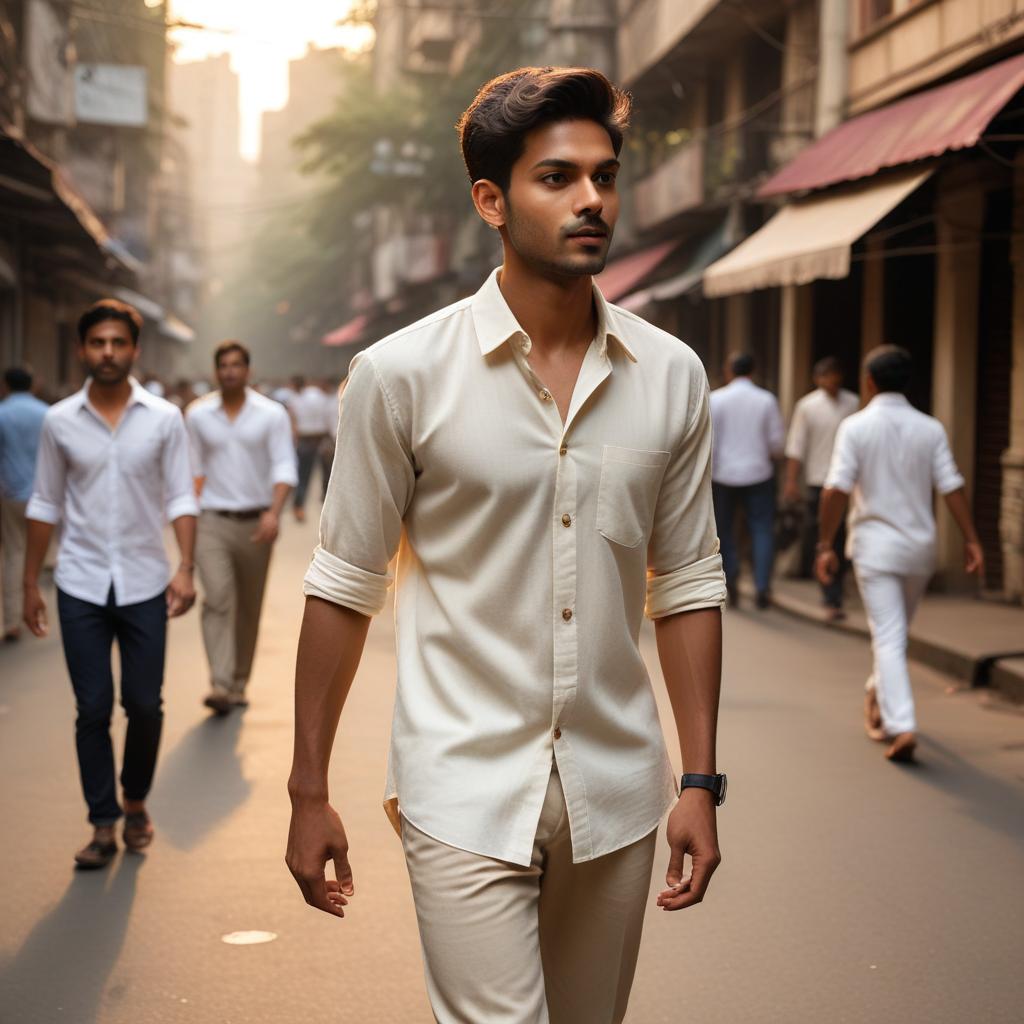
Linen and hemp have been whispering their virtues in Indian wardrobes for centuries, but today they’re stepping into the limelight of a new sustainability conversation. From the hot, humid mornings of Chennai to the breezy monsoons of Mumbai, the modern man seeks fabrics that keep him cool, look sharp, and respect the planet. This showdown pits linen’s storied elegance against hemp’s rugged resilience, asking which fiber truly earns a place in the contemporary Indian closet.
Linen vs Hemp: Origins, Production, and Natural Advantages
Linen, derived from the flax plant, has been woven into Indian garments since the time of the Indus Valley civilization. Its thin, smooth yarns give a crisp drape that instantly elevates casual shirts, such as the ever‑popular Pehanoge linen‑blend tees, into something that feels both relaxed and refined. Production is labor‑intensive: the stalks must be retted, dried, and spun by hand or mechanised looms, resulting in a fabric that is naturally breathable and highly absorbent.
Recommended for You

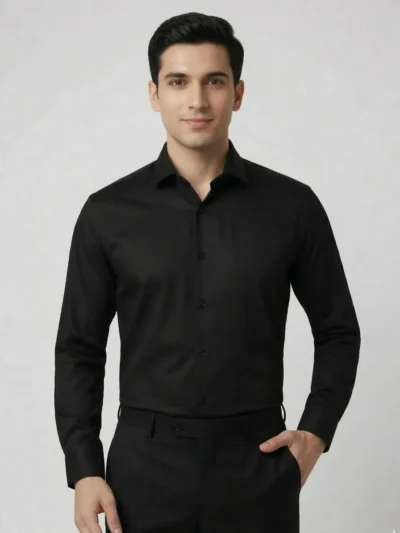
Giza-Silk | Absolute Black Long-Staple Giza Cotton Shirt
Original price was: ₹1,499.₹1,199Current price is: ₹1,199.-
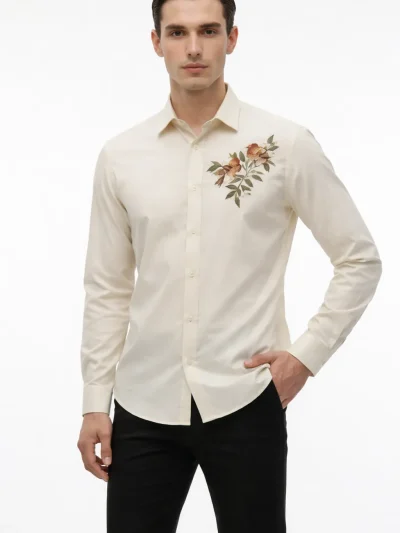
Noble Stitch | Twin Bird Giza Cotton Shirt
Original price was: ₹1,999.₹1,599Current price is: ₹1,599. -
Oxy-Linen™ | Wine Red – 60 Lea European Linen Shirt
Original price was: ₹4,999.₹3,399Current price is: ₹3,399.

Hemp, on the other hand, comes from the Cannabis sativa plant—non‑psychoactive varieties cultivated for fiber. Indian agrarian traditions mention hemp in ancient texts for rope and sackcloth, but its use in clothing surged only in the past few decades as designers rediscovered its strength. Hemp fibres are longer and coarser than flax, giving the fabric a slightly textured surface that softens with each wash. The plant grows fast, thrives on marginal soil, and needs virtually no pesticides.
Both fibres share natural antimicrobial properties, but their tactile personalities differ:
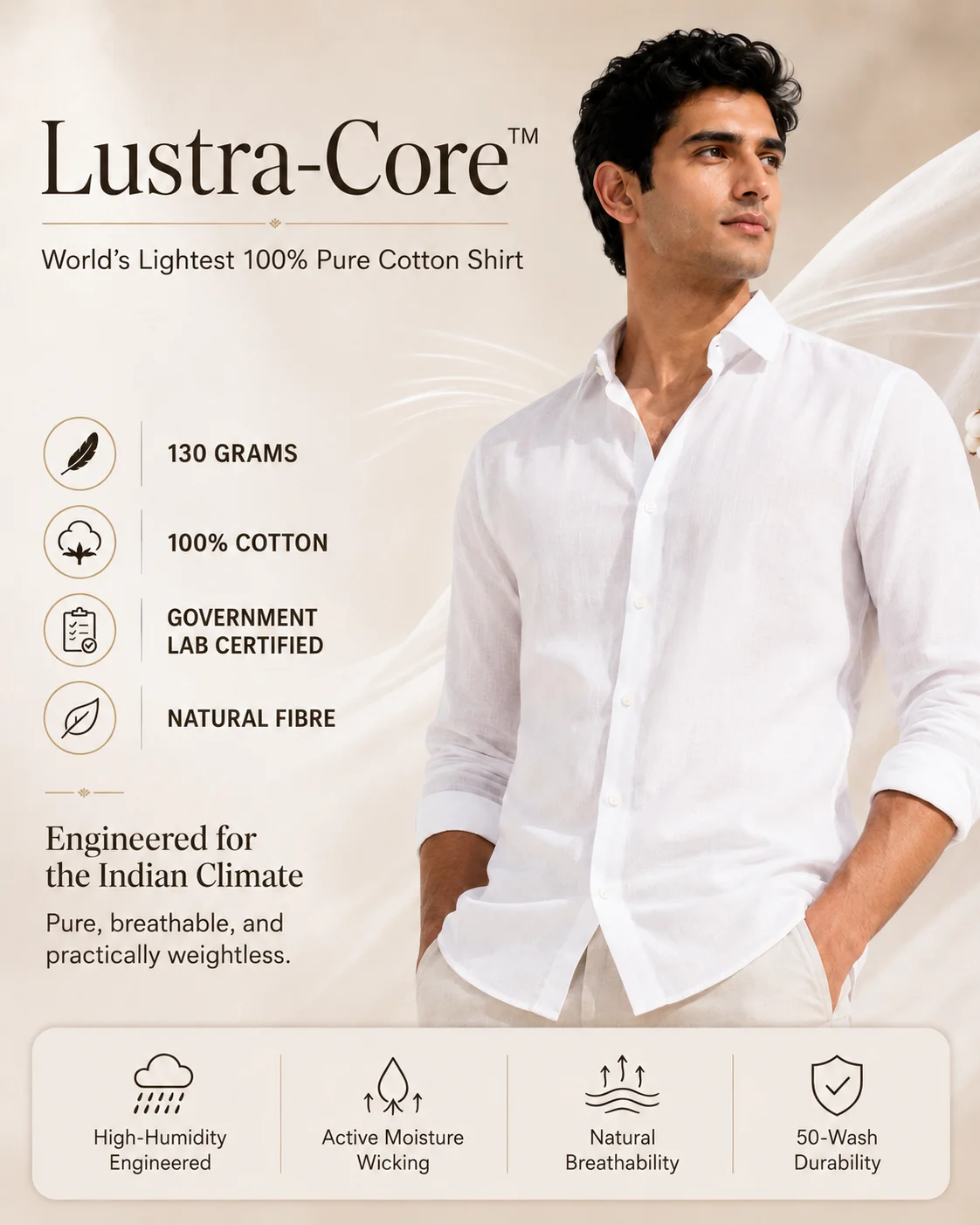
Lustra-Core™ Absolute White
Ultra-light pure cotton shirt engineered for Indian summers.
- Linen: silky, light, and instantly cool; tends to wrinkle readily.
- Hemp: slightly heavier, with a subtle “broken” texture; resists wrinkling and holds shape.
Sustainable Fiber Comparison: Linen vs Hemp by the Numbers
When the conversation shifts to sustainability, the numbers speak louder than the aesthetics.
| Metric | Linen (Flax) | Hemp |
|——–|————–|——|
| Water use (litres per kg) | 1,500 – 2,000 | 300 – 400 |
| Pesticide requirement | Low, but sometimes needed | Zero |
| Land efficiency (kg per acre) | 800 – 1,200 | 2,000 – 3,000 |
| Carbon sequestration (kg CO₂ per ha) | 4 – 6 | 10 – 12 |
| Biodegradability | 100% (within 1–2 years) | 100% (within 1–2 years) |
Hemp’s water‑sparing nature makes it especially suited for India’s monsoon‑dependent agriculture. Flax, while still relatively eco‑friendly, demands more irrigation, which can strain water‑scarce regions like Rajasthan. However, flax’s lower nitrogen needs keep soil health intact, and when cultivated in cooler hill stations such as Himachal, water consumption drops dramatically.
From an ethical standpoint, both fibres empower smallholder farmers. Hemp’s rapid growth cycle—harvestable in about four months—allows multiple crops per year, boosting income stability. Linen’s longer processing time supports artisanal weavers who keep traditional hand‑loom skills alive, particularly in Gujarat’s Kutch region.
Hemp Clothing Benefits: From Gym Wear to Night Out Versatility
For the active Indian man, hemp offers a blend of performance and style that is hard to ignore.
- Moisture management: Hemp can absorb up to 30% of its weight in water without feeling soggy, then releases the moisture quickly, keeping the skin dry during a Mumbai gym session or a Delhi cycling commute.
- Thermal regulation: The fibre’s natural breathability creates a micro‑climate, feeling cool in 35 °C heat and warm enough for cooler evenings in the Deccan plateau.
- Durability: Hemp’s tensile strength is about three times that of cotton, meaning a pair of hemp trousers can survive the rugged terrain of a trekking trip in the Western Ghats while still looking polished for a rooftop dinner.
- Versatility: Blended with merino wool, hemp can be tailored into structured blazers that hold a crisp line without the stiffness of traditional polyester blends—perfect for boardroom meetings followed by after‑work drinks.
👕 How to Pair Linen and Hemp in Men’s Fashion: Seasonal Styling Secrets
The key to mastering both fabrics lies in recognizing their seasonal sweet spots and complementary aesthetics.
- Summer (April–June): Opt for a lightweight linen shirt—think a Pehanoge button‑down in pastel white or muted sage—paired with slim hemp chinos in khaki. The linen keeps you airy, while the hemp pants maintain a clean silhouette that resists the midday humidity.
- Monsoon (July–September): Swap the linen for a hemp “tech‑shirt” with a moisture‑wicking finish. Pair it with a water‑repellent linen blend jacket for an effortless transition from office to rain‑soaked streets.
- Winter (October–February): Layer a hemp‑blended blazer over a fine linen t‑shirt. The hemp’s structure adds warmth, while the linen’s breathability prevents overheating during indoor heating.
- Festive occasions: Choose a richly dyed hemp shirt—its superior colour retention makes vibrant magentas or deep navy stay vivid across multiple washes—paired with a traditional linen dhoti or a crisp cotton‑linen kurta for a modern Indo‑western look.
Accessories matter too: a bamboo straw hat over a linen shirt, or a leather satchel with a hemp tote, can harmonise the natural vibe of the ensemble.
Buying Guide: Certifications, Blends, and Ethical Brands
When the fabric label reads “sustainable,” dig a little deeper:
- Certifications: Look for GOTS (Global Organic Textile Standard) for linen and USDA‑certified organic hemp or the European Hemp Association’s (EHA) eco‑label.
- Blends: A 55% hemp / 45% linen mix offers the best of both worlds—structured yet breathable. For formal wear, a 70% hemp / 30% wool blend delivers a sharp silhouette with natural temperature control.
- Brands: Indian labels such as Peanut Butter Clothing, The Summer House, and Pehanoge are pioneering ethical sourcing. Pehanoge, in particular, collaborates with small farms in Madhya Pradesh for its linen‑hemp hybrid shirts, ensuring traceability from seed to seam.
- Value: Hemp pieces often command a higher price due to lower economies of scale, but their longevity offsets the initial outlay. Linen pieces, while cheaper, may need more frequent replacement if not cared for properly.
Indian Context: Summer Monsoons Test Both Fabrics
India’s climatic extremes serve as the ultimate laboratory. In the scorching heat of Hyderabad’s May mornings, linen shirts feel like a second skin—lightweight and instantly cooling. Yet, when the monsoon clouds roll in, hemp’s quick‑dry property shines; a hemp tee dries within minutes on a balcony, whereas linen can cling to moisture, feeling heavier.
Local designers have responded with hybrid creations: a Pehanoge summer kurta made from a linen‑hemp blend, featuring a relaxed drape for temple visits and a moisture‑wicking inner layer for rainy city commutes. These region‑specific adaptations prove that both fibres can thrive when tailored to India’s weather palette.
FAQs
How does linen compare to hemp in wrinkle resistance and breathability for summer heat?
Linen wrinkles more easily because its fibres are smoother and less elastic, but it wicks moisture aggressively, keeping the skin dry. Hemp balances both traits better for humid climates—it resists creasing while still allowing ample airflow.
Can hemp fabric offer the structured fit of conventional cotton suits for formal wear?
Yes. When blended with wool or linen, hemp creates a fabric that holds shape and drapes elegantly, delivering a structured yet breathable formal suit that works well in India’s warm office environments.
Is flax vs hemp sustainability debate settled by modern farming tech?
Both have improved thanks to precision agriculture, but hemp still requires zero pesticides and far less water, whereas linen’s moderate water needs persist. The winner often depends on the specific use case and regional farming conditions.
Which fabric holds color better for vibrant men’s shirts and trousers?
Hemp resists fading about 30% longer than linen, according to Textile Testing Federation studies, making it the preferred choice for bold, vibrant designs that need to stay fresh through countless washes.