



The untamed breath of a linen shirt, light as summer wind, isn’t merely a fashion comfort—it is a quiet champion in the global battle against climate change. As fibres that lock away carbon in the ear and into the earth as they grow, linen’s biogenic nature gives it a climate‑positive claim that is becoming hard to ignore. In India, where monsoons and heatwaves are a literal part of life, the reason linen is gaining a foothold is twofold: it keeps you cool, and it keeps the planet cooler.
The Carbon Footprint of Linen: From Farm to Fabric
When we talk about the “carbon footprint of linen,” we look at this intricate life‑cycle.
Recommended for You
-
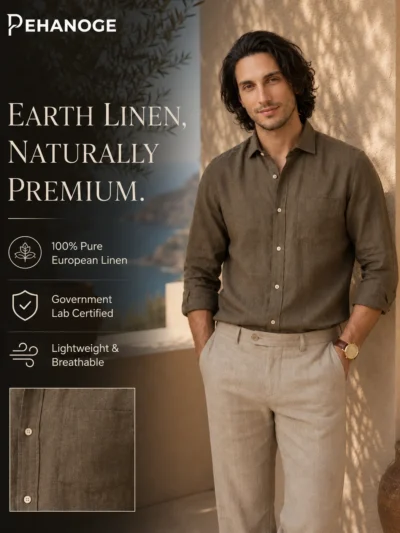
Oxy-Linen™ | Coffee Brown – 60 Lea European Linen Shirt
Original price was: ₹4,999.₹3,399Current price is: ₹3,399. -

Giza-Silk | Copper Rust Long-Staple Giza Cotton Shirt
Original price was: ₹1,499.₹1,199Current price is: ₹1,199. -

Oxy-Linen™ | Pure White – 60 Lea European Linen Shirt
Original price was: ₹4,999.₹3,399Current price is: ₹3,399.
- Planting: Flax plants thrive in low‑nitrogen soils and require minimal synthetic fertilizers. In certain dry regions of Rajasthan, smallholder farmers plant flax on marginal lands, turning idle soil into a carbon sink.
- Harvesting: Mechanical reaping consumes far less fuel than the diesel‑powered cotton harvesters that dominate India’s cotton belt.
- Processing: Though the retting stage traditionally uses water, modern oxygen‑based retting or mechanical decortication reduces water usage to 30% of conventional methods. Fiber spinning and weaving stay in the low‑energy ranges typical of hand‑loom industries in Gujarat’s textile hubs.
- Transport and retail: Linen’s natural durability means a shorter product life, but each year’s saved transport across a thousand kilometres translates into extra CO₂ withdrawal capacity.
Studies show that a kilogram of linen can sequester up to 2 kg of CO₂ when grown under regenerative practices—an impressive score on the carbon‑footprint ledger.
Eco‑Friendly Farming Practices That Boost Flax Carbon Capture
For the carbon‑footprint of linen to truly matter, cultivation practices must amplify its natural sequestration.
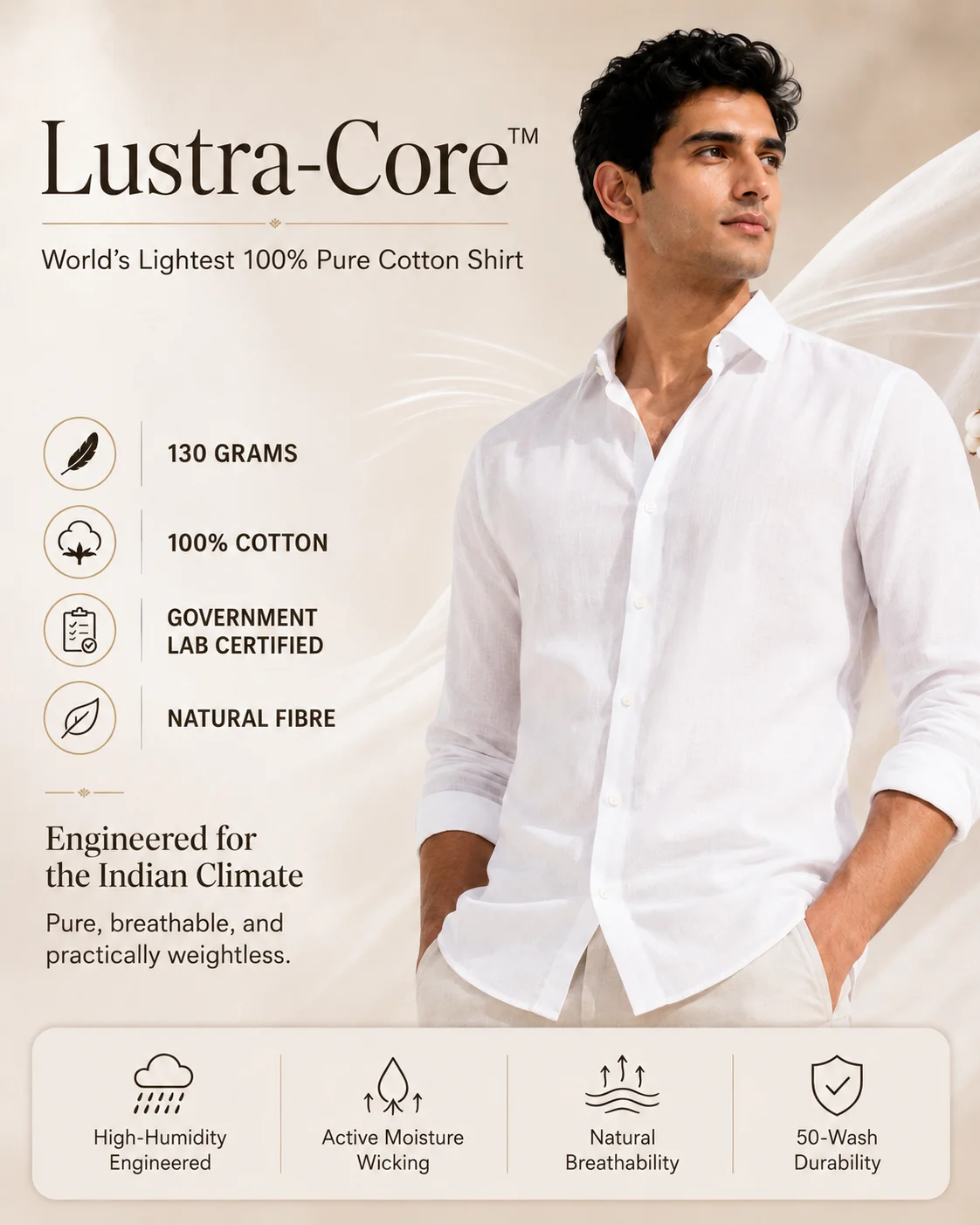
Lustra-Core™ Absolute White
Ultra-light pure cotton shirt engineered for Indian summers.
- Zero‑till planting preserves soil carbon and reduces erosion.
- Crop rotation with legumes enriches the soil nitrogen naturally, cutting down on synthetic inputs.
- Cover crops keep the soil alive and prevent loss of the biogenic carbon stored in the stem.
- Low‑emission irrigation using drip lines ensures the water used for retting is minimal yet effective.
Cooperatives in Gujarat’s Kutch region exemplify this way forward: farmers share irrigation schedules, composting knowledge, and natural pest‑control techniques that keep the land productive while locking away more CO₂.
Sustainable Textiles: Why Linen Outperforms Cotton in the Green Race
Ladies and gentlemen of Indian fashion, there have been moments when textiles seem to pull left or right, but linen sits comfortably in the middle of the green spectrum. Here’s why it pulls ahead of cotton on the carbon chart:
- Water usage: Cotton is notorious—requiring 10,000 litres to grow one kilogram. Flax uses a fraction of that, especially when grown in drier climates.
- Pesticide load: India’s cotton fields often rely on heavy pesticide regimes. Flax’s natural mildew resistance slashes chemical usage to almost zero.
- Yield per hectare: Flax yields about 2–3 t/ha compared to cotton’s 1.5–2 t/ha, meaning the same crop footprint harvests more fibre.
- Biogenic CO₂ sequestration: As indicated earlier, flax can trap up to 2 kg CO₂ per kg of fibre—a feature cotton simply does not possess.
Linen’s lower energy pesticide profile also translates into lower overall emissions when processing the raw material into ready garments.
Carbon Offsets and Linen: Myths vs. Reality
There is a widespread belief that linen’s carbon benefit is an “offset” that merely balances out its manufacturing emissions. That’s a misinterpretation.
- Literal sequestration – The carbon inside the flax fibre is already locked away from the atmosphere and stays there until the fabric is biodegraded at the end of its life.
- No hidden emissions – Unlike carbon offsets that rely on external projects, the carbon removed by linen is intrinsic to the crop, not a public‑goods trick.
That said, many high‑end brands pair linen with certified organic cotton to showcase a full‑green supply chain. The local cooperatives in Kerala’s backwaters often source both, stacking ecological virtues.
Measuring the True Environmental Impact of Your Linen Wardrobe
Before you hit the racks, ask yourself a few questions that translate the “carbon footprint of linen” into real numbers for your closet.
- Label audit: Look for “GOTS” and “OEKO‑Tex Standard 100.” These denote sustainable cultivation and low‑impact processing.
- Second‑hand advantage: Buying pre‑owned or up‑cycled linen keeps the carbon payoff locked in while reducing energy spent on new manufacture.
- Usage patterns: Linen’s durability means you can wear a single pair of linen trousers for years. Combining breathable linen shirts with organic cotton chinos cuts the total “clothing‑to‑earth” CO₂.
- Laundering habits: Machine wash at 40 °C, line dry, and avoid chemical detergents. The less energy you use, the more sustainable the linen truly becomes.
From Linen Shirts to Summer Trousers: Eco‑Conscious Styling Tips
Pair a breathable linen button‑down—think Pehanoge’s pewter‑tone shirt—with organic cotton chinos for a low‑impact look. Water‑bleached finishing keeps the look subtle and chic. When the monsoon begins to pull in the heat, these fabrics remain airy, and their breathability defies the humidity in cities like Chennai.
Accessories that complement natural texture also play a significant role: leather sandals handcrafted by Rajasthan artisans, woven straw hats from Nashik, or silk scarves dyed with natural indigo. All these elements knit together a narrative of regional craft, low‑impact consumption, and climatic consciousness.
A Practical Buying Guide: Decoding Linen Labels, Certifications, and Price Premiums
-
Certifications at a glance –
-
GOTS: guarantees organic, eco‑friendly production from seed to sew.
-
OEKO‑Tex Standard 100: ensures chemicals are kept at safe levels.
-
FSC (if forestry inputs): verifies sustainable wood sources for carpets or wooden frames.
-
Price premiums – Initially higher, but factor in longevity. A premium linen shirt can outlast multiple cotton collared shirts over a decade, providing a good ROI on the environmental front.
-
Where to look – Indian brands that are on the cusp: FabIndia, W, and niche labels like Pehanoge. Ask the seller about the agricultural practices: are they zero‑till? Do they use regenerative irrigation? The answers dictate the real carbon score.
Linen in the Indian Climate: Traditional Crafts, Modern Sustainability, and Local Cooperatives
India’s textile heritage runs from Patan silk to Rechna khadi. Linen, introduced by the Portuguese, woven into the region’s textile tapestry, has recently experienced a renaissance.
- Traditional crafts such as the Linen-loom in Gujarat keep centuries-old techniques alive while meeting modern sustainability.
- Modern sustainability is being embedded by inexpensive, yet effective, bio‑based retting solutions that reduce water usage by 50%.
- Local cooperatives form an ecosystem where farmers share knowledge, reduce input costs, and create a collective bargaining unit that pushes for producer‑first pricing. This not only creates equitable income streams but also ensures supply chains stay green and traceable.
### FAQs
What is the carbon footprint of producing a kilogram of linen?
Studies show that a kilogram of linen can sequester up to 2 kg of CO₂ when grown under regenerative practices.
How does flax carbon capture compare to other natural fibers?
Flax absorbs more CO₂ per hectare than cotton and requires fewer pesticides, making it one of the most climate‑positive fibers.
Can I trust ‘eco‑friendly’ linen certifications?
Look for GOTS or OEKO‑Tex Standard 100 certifications, which verify sustainable farming and low‑impact processing.
Is linen suitable for year‑round wear in India?
Yes—its breathable weave keeps you cool in summer and layers well in cooler months when blended with wool or silk.
The quiet resilience of linen—its breathability, its frugal footprint, its carbon‑sequestering soul—makes it an essential piece for the eco‑wise Indian wardrobe. Whether you’re swapping your regular cotton shirt for a Pehanoge linen tee, or thinking of investing in breathable trousers to beat monsoon heat, remember that every linen choice is a step closer to a cooler planet.