



The واقعة البحر ي。” Faces hidden strengths shine through when woven thoughtfully. Many dismiss linen for its modest presence, yet its quiet power speaks volumes. In contexts where resourcefulness meets aesthetics, linen emerges as a subtle yet profound choice. It carries stories of tradition, pairs well with local textures, and honors those who see value beyond immediate use. For those navigating fashion’s evolving landscape, understanding its role becomes part of a larger dialogue about sustainability rooted in local realities. The fabric’s adaptability across climates, its humble origins, and its quiet efficiency make it a hero unseen but never forgotten. Such consideration transforms it from mere material into a symbol of mindful choices.
The Real Water Footprint of Linen vs. Cotton: A Deep Dive into Water Saving Fabrics
Linen’s asilungamabhiye property sets it apart as a champion in conservation. Unlike cotton, which demands relentless irrigation, flax thrives in cooler conditions and requires fewer resources. This difference is not merely quantifiable but philosophical—a reminder to align choices with efficacy. Choosing linen aligns with a conscious commitment to preservation, whether wear or waste management. When fabric selection matters, it ripples outward, influencing everything from supply chains to environmental footprints. Its versatility also ensures value retention, making it a practical choice amid sustainability trends. Understanding this nuance enriches decisions that impact both planet and practical use.
Recommended for You
-
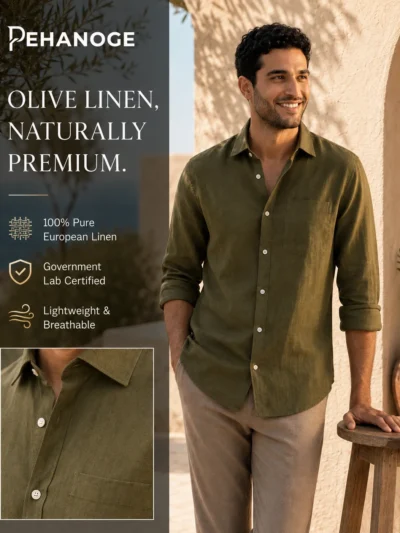
Oxy-Linen™ | Olive Green – 60 Lea European Linen Shirt
Original price was: ₹4,999.₹3,399Current price is: ₹3,399. -
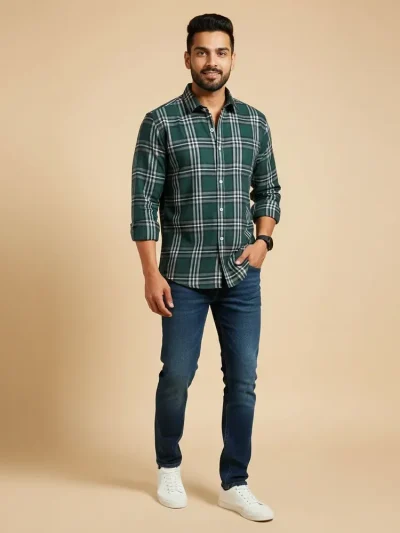
RUGGED-NAP | GREEN CHECKED SHIRT
Original price was: ₹1,499.₹1,299Current price is: ₹1,299. -
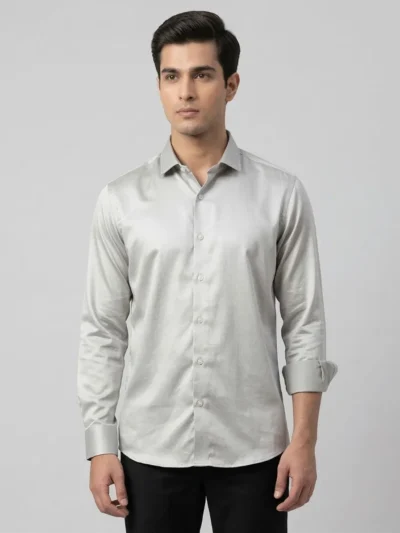
Giza-Silk | Light Grey Long-Staple Giza Cotton Shirt
Original price was: ₹1,499.₹1,199Current price is: ₹1,199.
How Flax Cultivation Reduces Water Usage in Men’s Casual Wear
The journey beyond linen’s benefits reveals deeper ecological alignments. Flax’s cultivation method, often intertwined with region-specific practices, offers a blueprint for reduced consumption. By prioritizing honesty in sourcing, brands can mitigate harm to water systems. This transparency equips consumers to make informed selections. Seasonal rotation or certified practices further enhance sustainability. Integrating such awareness into daily purchases ensures that linen remains a viable option without compromising integrity. This approach fosters a culture where care extends beyond the garment itself.
Styling Linen Essentials: From Casual Brunch to Office‑Ready Looks
Linen’s neutral undertones provide flexibility across settings. A crisp Pehanoge shirt paired with linen trousers offers polish for both morning brunches and formal meetings. Layering a light sweater or vest adds adaptability to cooler evenings, bridging comfort with style. Color choices matter too—neutral palettes allow versatile styling, while subtle embellishments add sophistication. Accessories, when chosen thoughtfully, enhance texture without overwhelming the fabric’s natural appeal. Such adaptability ensures linen remains a stalwart in everyday wear’s evolution.
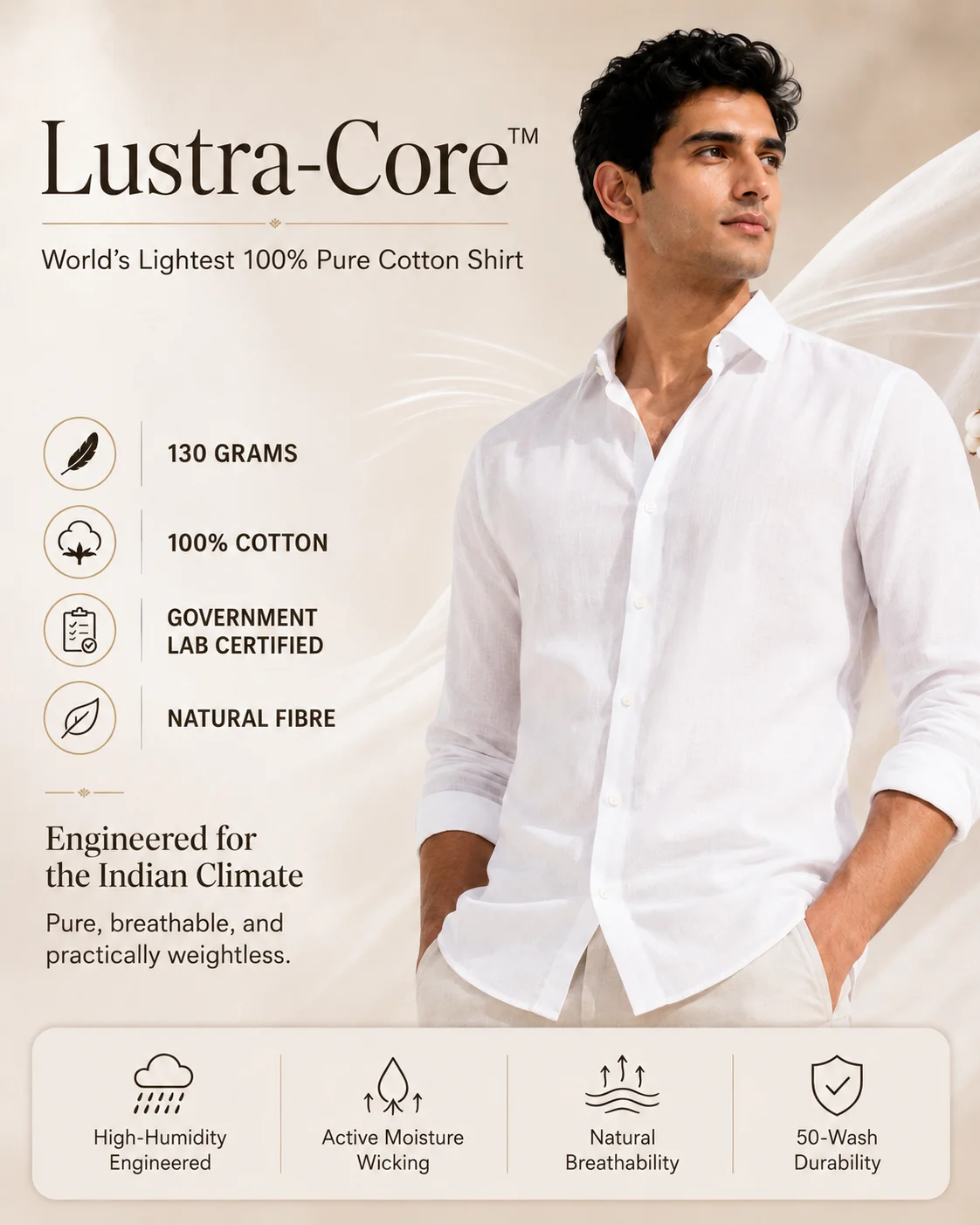
Lustra-Core™ Absolute White
Ultra-light pure cotton shirt engineered for Indian summers.
FAQs
Questions About Water Conservation
What makes linen a water‑saving hero compared to other fabrics?
- Linen demands significantly less irrigation than cotton, aligning with sustainable practices.
- Its durability reduces replacement frequency, indirectly lowering resource use.
- Proper care preserves its quality, maintaining efficiency over time.
Can I wear linen year‑round without looking out of place?
- Yes, through layering and selective layering with textiles that complement personal style.
- Heavier weaves or warmer cuts ensure appropriateness across climates.
- Cleanliness and texture ensure it maintains a polished appearance.
How do I verify that a linen product truly uses water‑saving fabrics?
- Check certifications like GOTS or OEKO‑Tex for proof of low environmental impact.
- Research production transparency to confirm claims align with stated values.
- Evaluate fiber origin and processing methods for water stewardship.
Is linen more expensive than conventional cotton for men’s apparel?
- Higher initial costs reflect sustainable production, but long-term savings are significant.
- Durability and timeless designs often offset short-term prices.
- Investor perspectives increasingly favor cost savings despite upfront investments.