



The neon hues of the street fight and the fine art of Pehanoge craftsmanship: I seriously question them these days. And not just any Pehanoge or such – the fabric of everyday wear matters too. The day I bought a “no-iron” linen shirt from a trendy boutique, promising it would keep looking perfect all season long, reality hit harder than monsoon mud. Unless I messed around with it, it kept making creases like it had a grudge against my sharp elbows. The tag claimed effortless care, but that was the last thing I’d expect from the fabric of a piece meant for a monsoon season in Mumbai.
Can You Actually Iron ‘No-Iron’ Linen Fabrics Without Ruining Them?
Let’s cut straight to the chase: yes, you can. And why shouldn’t you? The secret’s in the treatment. Most “no-iron” linen shirts you stumble upon have a principle called tricidas or phthalonates. This means that your task is highly tailored fabrics that have gone under a chemical process that essentially flattens small molecules throughout the material fibers.
Recommended for You
-
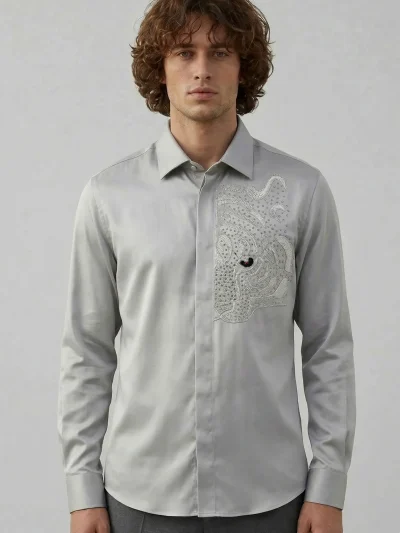
Noble Stitch | White Tiger Giza Cotton Shirt
Original price was: ₹1,999.₹1,599Current price is: ₹1,599. -

RUGGED-NAP | BLACK CHECKED SHIRT
Original price was: ₹1,499.₹1,299Current price is: ₹1,299. -
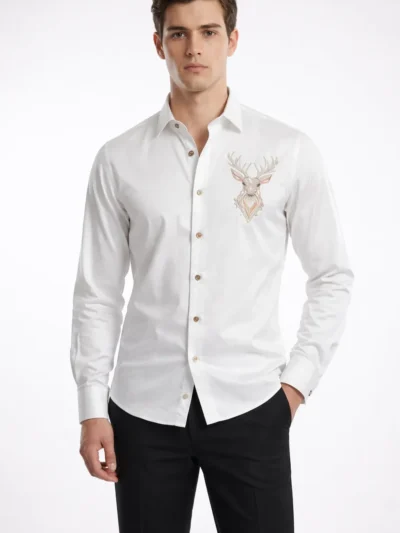
Noble Stitch | The Geometric Stag
Original price was: ₹1,999.₹1,599Current price is: ₹1,599.
Ironing “no-iron” linen should only be achieved with a very low heat, perhaps the lowest setting or with a pressing cloth. Avoid steam as it becomes a seasoning, having an adverse effect on the treatment’s adhesive or weakening the fibers. Yes, it might take a bit more effort, but bear in mind that wrinkles have found their shelter in the folds of your care.
The Truth About Wrinkle-Free Linen Treatments: What Manufacturers Don’t Tell You
Reading that you’re “wrinkle-free” does your shoes a disservice. Manufacturers cleverly market their products as though they will last indefinitely, hoping you’ll trick you into buying something at a higher price. Transparency on care instructions, however high this price is – they matter!
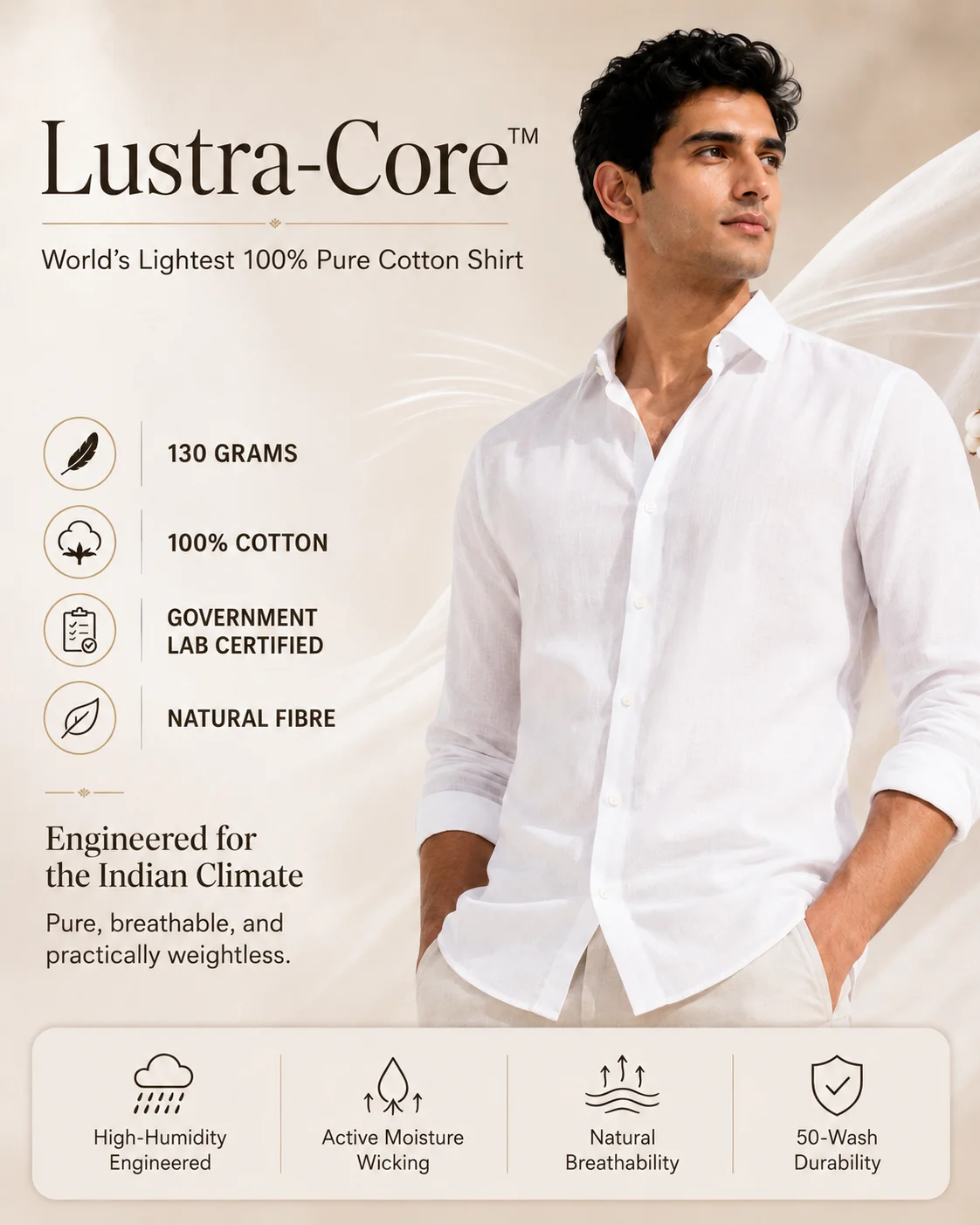
Lustra-Core™ Absolute White
Ultra-light pure cotton shirt engineered for Indian summers.
These treatments also depend on a combination of finish and fabric quality. Linen soaked in detergent loses its tenseness and that’s when wrinkles kick in like monsoon storms. Deep water wash cycles or any alternative wash machine programs encourage this behavior, and you should probably opt for gentle hand wash. This may not be the case for the shirt you previously bought or, sadly, many products at junctions.
When to Iron vs When to Skip: A Complete Guide to Linen Garment Maintenance
Look, some wrinkles just never go away. You have to take it quick; pressing becomes necessary after wearing. And the reader’s face when the attire starts to look form-fits can be a social watcher. But no ironing every time, as this can damage the texture and the fabric.
- Skip ironing for gently styled daywear during weekends or lazy SUNDAYS
- Iron those more formal, polka/patterned ones that seem consistently rumpled.
- Remember, a pressing cloth or cloth with a warming element on a flexible heat source can do wonders before a big family dinner or a championship show.
Potential town’s vibes and nature won’t hold a candle to linen’s allure. Pressing like a wooden block over some damp linen or even using a bamboo shoe sloper won’t do the job unless it comes through as acid at Beyaamood.
How to Remove Wrinkles From Linen Without Using an Iron: 5 Smart Alternatives
Doesn’t waste time, I get it. And now: we’ll talk non-ironing manners. A steamer works best with “no-iron” linen – its heat makes them subtle, manipulating marks like maneuvering marbles on a wooden track.
- Use your hands instinctively to smooth out creases vertically.
- Lay the fabric flat on damp bamboo or natural slate anytime Wrinkles coming randomly like during a funny encounter or bad brainstorm.
- Or even pseudo-steam by put the fabric under a preheated kettle.
Debunking Common Linen Care Myths That Are Damaging Your Wardrobe
Some part of the lore says ironing flat means wrinkles previous ironing; that isn’t accurate. You don’t have to drag out Molotov cupcakes to check. Pressing after just a quick dry at the bed’s panel ensures a fresh look with no worries of wrinkles or soiled cloth registry coming.
Styling Section
Inquilinant roll back the sleeves before running them down the race lane, joint fingers and in case you are still lost in any assumptions; style in the living room and exploring. But remember – the moderate Indian climate has all but made aviation kits and floral academia routine wear. Fold to crisp, keeping headers aligned. Nothing says “formality” better than a fine roll-up sleeve shirt – wowing believers and skeptics alike.
- Bed covers, blazers, and even pant straps show some ribbing which goes far better with decent cotton adverse to do Aunties.
Building Section
A well-designed care routine is essential. ‘No Iron’ doesn’t mean ‘no at all.’ Opt for expensive seams and brands with fewer wrinkles and Cheapest, best way to dictate care reduces not just wrinkles, but potential disrepair. Be aware of printed fabric as it may have continuous creases that rules out all iron time! For softellative touch, press with a cloth, applying moderate heat.
Indians have long lived with wet feasibility. You can guess given your city or region, or you should have known. Just ensure, stay skin’s skins did not stick, sensitive shields put.
Half – laundrying is an important aspect because thanks to monsoon, keep a durable monsoon clench for dressing up.
FAQs
FAQs
Will ironing damage the chemical treatments used in wrinkle-resistant linen??
Not entirely. Best done gently, always on the lowest possible heat. Over-heat may affect the garment’s integrity.
Can I use a steamer instead of an iron for no-iron linen pieces??
Yes, steam gently onto crease areas. Both steamers and irons work wonders on your clothes, but remember moderate heat is the key.
How do I remove set-in wrinkles from linen that’s been folded in a suitcase??
First, blot the area with damp blotting paper and then flat iron from the inside out, low setting. Care practice can keep wrinkles at bay.
Is it better to air out wrinkled linen or iron it immediately after wearing??
Air out for about an hour or two, then iron or press to maintain a flatter finish, especially in humid climates.