
As the scorching Indian summer approaches, the eternal debate between linen and cotton fabrics resurfaces. Both materials have their ardent supporters, but which one truly reigns supreme in the battle against heat and humidity? Let’s dive into a comprehensive analysis of these two summer staples, exploring their breathability, moisture-wicking capabilities, durability, style, and environmental impact.
Table of Contents
- Breathability Battle: How Linen and Cotton Perform in Humid Conditions
- Moisture Management: Which Fabric Keeps You Drier in the Heat?
- Durability and Longevity: Can Linen Outlast Cotton in Summer Wear?
- Style and Versatility: Incorporating Linen and Cotton into Your Summer Wardrobe
- Environmental Impact: Sustainability of Linen vs. Cotton Production
- Tips on Pairing Linen and Cotton Garments
- Buying Guide: Selecting High-Quality Linen and Cotton Clothing
- FAQs
Breathability Battle: How Linen and Cotton Perform in Humid Conditions
When it comes to breathability, both linen and cotton excel, but in different ways. Linen, made from the fibers of the flax plant, has a looser weave that allows for maximum air circulation. This natural property makes it exceptionally breathable, allowing heat to escape and cool air to circulate around your body. Cotton, while also breathable, has a tighter weave that can sometimes trap heat, especially in high humidity.
In the sweltering Indian summers, linen’s superior breathability gives it a slight edge. The fabric’s ability to quickly release heat and moisture makes it feel cooler against the skin, providing much-needed relief in cities like Delhi or Mumbai where humidity levels can soar.
Moisture Management: Which Fabric Keeps You Drier in the Heat?
Both linen and cotton are excellent at absorbing moisture, but they differ in how they handle it. Linen can absorb up to 20% of its weight in moisture before feeling damp, while cotton can absorb up to 25%. However, linen’s moisture-wicking properties are superior. It draws perspiration away from the skin and releases it into the air quickly, keeping you dry and comfortable.
Cotton, while absorbent, tends to hold onto moisture longer, which can lead to that uncomfortable damp feeling in high humidity. This is where linen shines, making it the preferred choice for those long, sweaty summer days.
Durability and Longevity: Can Linen Outlast Cotton in Summer Wear?
When it comes to durability, linen has a clear advantage. The flax fibers used to make linen are inherently stronger than cotton fibers. Linen fabric becomes softer and more comfortable with each wash, without losing its shape or integrity. It’s also less likely to pill or develop lint, maintaining a crisp appearance over time.
Cotton, while durable, can break down more quickly with frequent washing and wear. It’s also more prone to shrinkage and color fading. However, high-quality cotton, such as Egyptian or Pima cotton, can offer excellent longevity when properly cared for.
Style and Versatility: Incorporating Linen and Cotton into Your Summer Wardrobe
Both linen and cotton offer versatility in summer fashion, but they lend themselves to different styles. Linen’s natural texture and slight sheen give it a relaxed, sophisticated look that’s perfect for both casual and semi-formal occasions. It drapes beautifully, creating an effortless elegance that’s ideal for summer soirées or beachside dinners.
Cotton, on the other hand, offers a wider range of textures and finishes. From crisp poplin to soft jersey, cotton can be tailored into various styles to suit any occasion. It’s the go-to choice for everyday wear, offering comfort and practicality in equal measure.
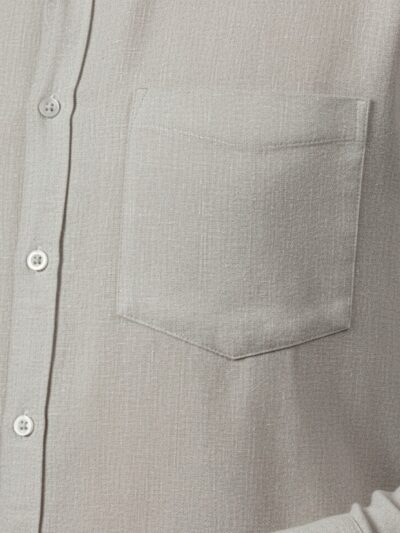
For a polished yet relaxed summer look, consider pairing a Pehanoge linen shirt with cotton chinos. The combination of textures creates visual interest while keeping you cool and comfortable. Opt for light, neutral colors like beige, light blue, or soft pink to reflect the sun’s rays and keep your body temperature down.
Environmental Impact: Sustainability of Linen vs. Cotton Production
In terms of environmental sustainability, linen has a clear advantage. Flax plants require less water and fewer pesticides to grow compared to cotton. They also improve soil quality and can be grown in poor soil conditions where other crops might fail. Linen is biodegradable and can be recycled, making it an eco-friendly choice for the environmentally conscious consumer.
Cotton, especially conventional cotton, requires significant amounts of water and pesticides to grow. However, organic cotton farming practices are improving its environmental profile. When choosing cotton, look for organic or sustainably sourced options to minimize your environmental impact.
Tips on Pairing Linen and Cotton Garments
- Mix textures: Pair a crisp cotton shirt with linen trousers for a balanced look.
- Layer wisely: Use lightweight cotton tees under linen jackets for added comfort.
- Accessorize: Add a cotton pocket square to a linen suit for a touch of contrast.
- Color coordination: Stick to a cohesive color palette to create a harmonious outfit.
Buying Guide: Selecting High-Quality Linen and Cotton Clothing
When shopping for summer wear, consider the following factors:
- Fabric weight: Look for lightweight fabrics (under 200 gsm) for maximum comfort in summer.
- Weave type: For linen, opt for a looser weave for better breathability. For cotton, percale and seersucker weaves are excellent for summer.
- Thread count: Higher thread counts in cotton indicate softer, more durable fabric.
- Price considerations: While high-quality linen and cotton may come with a higher price tag, their durability and comfort make them a worthwhile investment.
FAQs
Is linen more breathable than cotton in humid weather?
Yes, linen is generally more breathable than cotton in humid conditions due to its looser weave and superior moisture-wicking properties. It allows for better air circulation and quicker evaporation of sweat, keeping you cooler and more comfortable.
Does linen wrinkle more than cotton, and how can I manage it?
Linen is known for its tendency to wrinkle more than cotton. However, this is part of its charm and relaxed aesthetic. To manage wrinkles, hang linen garments immediately after washing and consider embracing the natural creases as part of the fabric’s character. For a crisper look, use a steamer or iron while the fabric is still slightly damp.
Which fabric is more eco-friendly: linen or cotton?
Linen is generally considered more eco-friendly than conventional cotton. Flax plants require less water and fewer pesticides to grow, and the entire plant can be used, resulting in less waste. However, organic cotton farming practices are improving cotton’s environmental profile.
Can linen and cotton be blended for better performance?
Yes, linen-cotton blends are popular for combining the best qualities of both fabrics. These blends often offer improved durability, reduced wrinkling, and maintained breathability, making them an excellent choice for summer wear.
In conclusion, both linen and cotton have their merits in Indian summer fashion. While linen edges ahead in breathability and sustainability, cotton offers versatility and a wider range of styles. Ultimately, the choice between linen and cotton comes down to personal preference, specific needs, and the occasion. By understanding the unique properties of each fabric, you can make informed decisions to create a comfortable, stylish, and practical summer wardrobe.