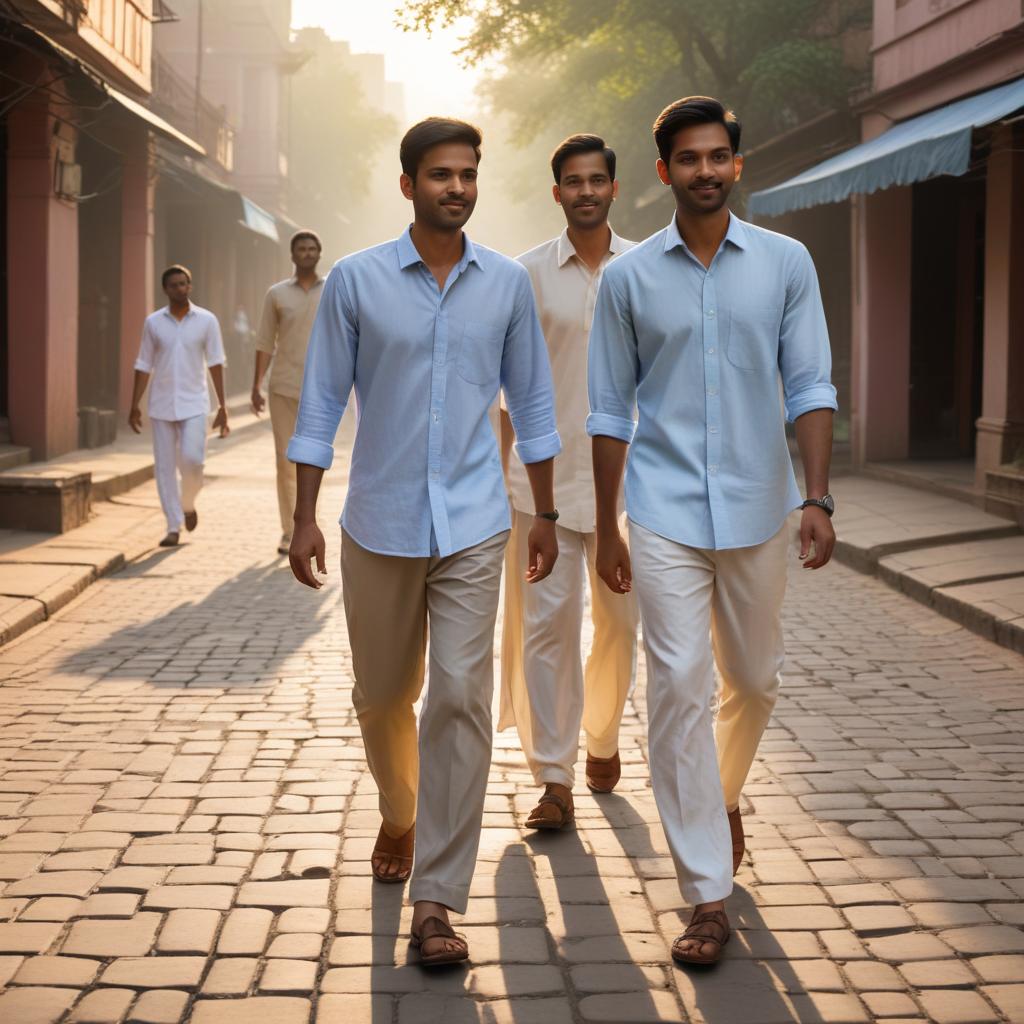
Linen fabric has a unique ability to transform over time, becoming softer, more comfortable, and even more stylish with each wear and wash. This natural aging process is one of the reasons linen has remained a favorite in wardrobes across the world, including in India. The fabric’s journey from crisp and structured to supple and relaxed is not just a testament to its durability but also a reflection of its sustainability. In this blog, we’ll explore the science behind linen’s aging process, its benefits, and how you can enhance its natural evolution to create timeless, stylish pieces.
The Science Behind Linen’s Aging Process
Linen is made from the fibers of the flax plant, which are inherently strong and breathable. Over time, these fibers undergo a natural breakdown, which contributes to the fabric’s softening. Unlike synthetic materials that may degrade or lose their shape, linen’s fibers become more pliable without compromising its strength. This is why linen garments, such as Pehanoge shirts, often feel better with age.
Recommended for You

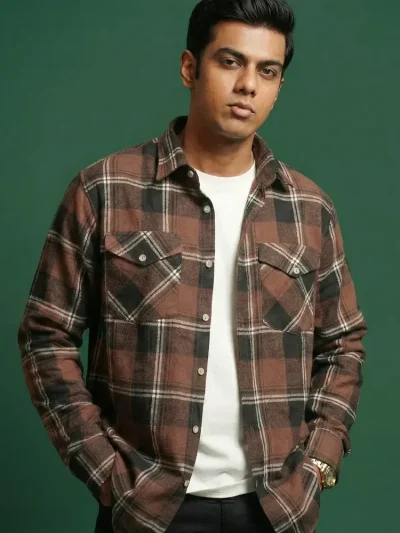
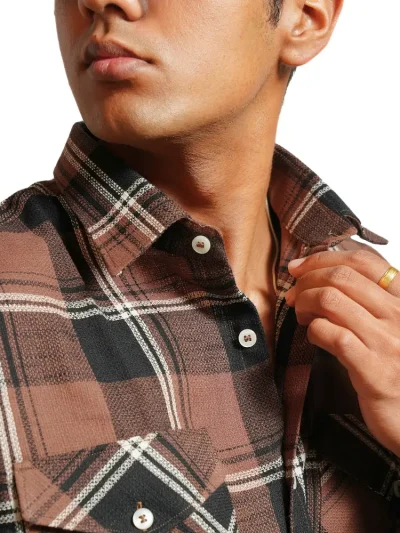
The aging process is influenced by several factors, including the weave, weight, and care of the fabric. Linen’s open weave allows it to breathe, making it ideal for India’s diverse climates. As the fabric ages, it retains its breathability while becoming more comfortable against the skin.
Why Linen Softens With Every Wash
One of the most remarkable aspects of linen is how it softens with each wash. This is due to the loosening of the fibers, which occurs naturally as the fabric is exposed to water and movement. Unlike cotton, which can become stiff or lose its shape, linen’s fibers become more flexible over time. This makes it an excellent choice for casual wear, as it adapts to your body and lifestyle.

To enhance this softening process, it’s important to follow proper care instructions. Washing linen in cold water and avoiding harsh detergents can help maintain its integrity while allowing it to age gracefully.
The Durability Factor: Linen’s Timeless Strength
Linen is known for its durability, which is why it has been used for centuries in everything from clothing to home textiles. The fabric’s strength comes from the flax fibers, which are two to three times stronger than cotton. This durability means that linen garments can withstand years of wear and washing without losing their shape or integrity.
In fact, many people find that their favorite linen pieces, such as Pehanoge shirts, only get better with time. The fabric’s ability to maintain its strength while becoming softer is a testament to its timeless appeal.
Linen Fabric Aging: A Sustainable Choice
In an era where sustainability is more important than ever, linen stands out as an eco-friendly option. The flax plant requires less water and pesticides to grow compared to cotton, making it a more sustainable choice from the start. Additionally, linen’s durability means that garments made from this fabric can last for years, reducing the need for frequent replacements.
The aging process of linen also contributes to its sustainability. As the fabric softens and becomes more comfortable, it encourages wearers to keep and cherish their linen pieces for longer. This reduces waste and promotes a more sustainable approach to fashion.
How to Enhance Linen’s Natural Evolution
While linen will naturally soften and age over time, there are steps you can take to enhance this process. Here are a few tips:
- Wash linen in cold water to preserve its fibers.
- Avoid using bleach or harsh detergents, as these can weaken the fabric.
- Air dry linen whenever possible to prevent shrinkage and maintain its shape.
- Store linen garments in a cool, dry place to prevent mildew and discoloration.
By following these care instructions, you can ensure that your linen pieces, such as Pehanoge shirts, age beautifully and remain a staple in your wardrobe for years to come.
Tips for Styling Aged Linen Garments
Aged linen garments have a unique charm that can elevate any outfit. The fabric’s relaxed texture and soft drape make it perfect for creating a laid-back yet sophisticated look. Here are some styling tips:
- Layer a soft, aged linen shirt over a simple t-shirt for a casual yet polished ensemble.
- Pair linen trousers with a crisp white shirt for a timeless, elegant look.
- Experiment with earthy tones and neutral colors to complement the natural texture of aged linen.
- Accessorize with leather sandals or a woven belt to enhance the relaxed vibe.
Whether you’re dressing up or down, aged linen garments offer endless styling possibilities.
Key Factors to Consider When Purchasing Linen Clothing
When shopping for linen clothing, it’s important to consider several factors to ensure you’re getting the best quality and longevity. Here are some key points to keep in mind:
- Fabric Weight: Heavier linen is more durable and suitable for cooler weather, while lighter linen is ideal for hot climates.
- Weave: A tighter weave will result in a smoother fabric, while a looser weave will be more breathable.
- Care Instructions: Always check the care label to ensure you’re following the recommended washing and drying methods.
- Origin: Linen from India often features traditional weaving techniques that contribute to its unique texture and aging process.
By paying attention to these details, you can choose linen garments that will age beautifully and stand the test of time.
The Role of Linen in Indian Fashion
Linen has a long history in Indian fashion, where it is valued for its adaptability to the country’s diverse climates. From the humid coastal regions to the dry plains, linen’s breathability and comfort make it a popular choice for both traditional and contemporary clothing.
In India, linen is often woven using traditional techniques that enhance its texture and aging process. These methods, passed down through generations, contribute to the fabric’s unique character and durability. Whether it’s a classic kurta or a modern Pehanoge shirt, linen remains a staple in Indian wardrobes.
FAQs
How does linen fabric age differently from other materials?
Linen ages by becoming softer and more pliable without losing its strength, unlike synthetic materials that may degrade or cotton that can become stiff.
What are the best practices for washing linen to enhance its softness?
Wash linen in cold water, avoid harsh detergents, and air dry whenever possible to maintain its integrity and enhance its natural softening process.
Is aged linen more sustainable than new linen?
Yes, aged linen is more sustainable because its durability encourages long-term use, reducing the need for frequent replacements and minimizing waste.
Can linen’s aging process affect its color or texture?
Linen’s aging process can slightly alter its color, often giving it a softer, more muted tone. Its texture becomes smoother and more comfortable over time.