
Cotton and linen are two of the most popular natural fabrics used in men’s clothing, especially in a country like India where the climate varies dramatically from region to region. Choosing between them can make a big difference in comfort, style, and practicality. This guide explores the key differences between cotton and linen, helping you make smarter fabric choices for every season and occasion.
Cotton vs Linen: Core Differences in Texture and Feel
Cotton is known for its softness and smooth texture, making it a comfortable choice for everyday wear. It feels gentle against the skin and is less prone to wrinkling compared to linen. Linen, on the other hand, has a slightly coarse texture at first but softens beautifully with each wash. It has a natural, slightly textured appearance that gives garments a relaxed, lived-in look. While cotton offers a uniform feel, linen’s texture adds character and depth to outfits.
Breathability and Comfort: Which Fabric Wins in the Heat?
Both cotton and linen are breathable, but linen edges ahead when it comes to keeping cool in extreme heat. Linen fibers are hollow, allowing air to circulate freely and moisture to evaporate quickly. This makes linen shirts and trousers ideal for India’s hot and humid summers. Cotton is also breathable and absorbs sweat well, but it can sometimes feel heavier and cling to the skin when damp. For scorching summer days, linen is often the better choice, while cotton works well for milder weather or air-conditioned environments.
Durability and Longevity: Comparing Cotton and Linen Over Time
Linen is one of the strongest natural fibers, making it highly durable and resistant to wear and tear. It actually gets stronger when wet, which is why linen garments can last for years if cared for properly. Cotton is also durable, but it may pill or lose shape over time, especially with frequent washing. High-quality cotton, such as Egyptian or Pima, offers better longevity, but linen still tends to outlast regular cotton in the long run.
Care and Maintenance: Washing, Drying, and Storing Each Fabric
Cotton is relatively low-maintenance and can usually be machine washed and tumble dried without much fuss. Linen, however, requires a bit more attention. It’s best to wash linen in cold water and air dry to prevent excessive shrinkage and wrinkling. Linen wrinkles easily, which is part of its charm, but if you prefer a crisper look, ironing while the fabric is slightly damp helps. Both fabrics should be stored in a cool, dry place, but linen benefits from being hung rather than folded to avoid deep creases.
Style Versatility: How Cotton and Linen Fit Into Your Wardrobe
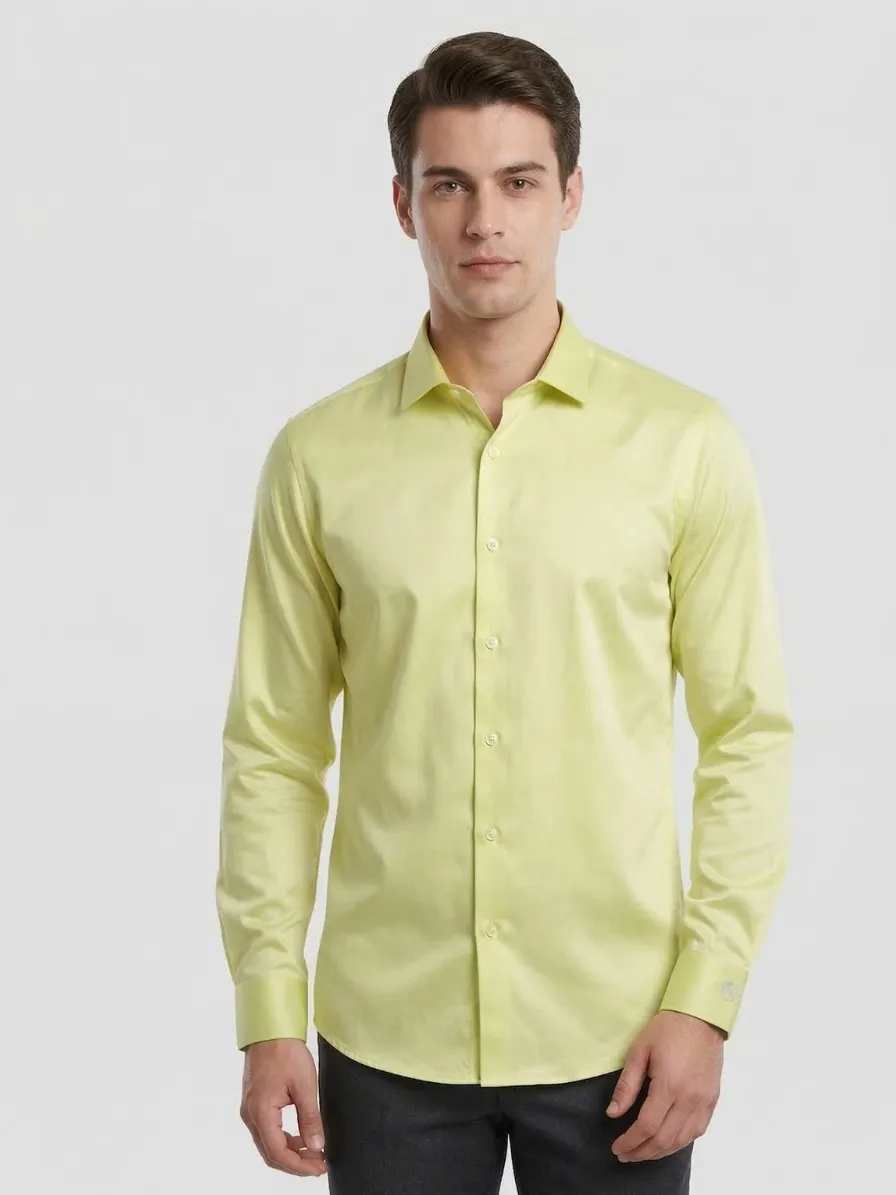
Cotton is incredibly versatile and can be dressed up or down with ease. It’s a staple for everything from casual t-shirts to formal shirts and trousers. Linen, with its relaxed drape and natural texture, is perfect for casual and semi-formal looks. It’s a favorite for summer weddings, beach vacations, and laid-back office days. Both fabrics can be found in a variety of weaves and blends, making them suitable for different styles and occasions.
How to Style Cotton and Linen Outfits for Every Occasion
For casual outings, a crisp cotton shirt paired with chinos or jeans is a timeless choice. In summer, switch to a linen shirt for a breezy, effortless look. For business settings, opt for cotton dress shirts in solid colors or subtle patterns. Linen suits or blazers can work for business casual environments, especially in coastal or tropical cities. For formal occasions, Egyptian or Supima cotton shirts offer a polished appearance, while linen kurtas or Nehru jackets bring a touch of tradition with modern flair. Layering is key in transitional seasons—pair a lightweight cotton sweater over a linen shirt for early mornings or cooler evenings.
What to Look for When Buying Cotton or Linen Garments
When shopping for cotton, pay attention to the weave and fiber length. Longer fibers like Egyptian or Pima cotton are softer and more durable. For linen, look for tightly woven fabrics that feel smooth but not overly stiff. Blended fabrics, such as cotton-linen mixes, offer a balance of comfort, durability, and reduced wrinkling. Always check for even stitching, quality buttons, and a good fit. Brands like Pehanoge offer a range of cotton and linen shirts and casual wear designed for the Indian climate, combining style with practicality.
How Cotton and Linen Perform in India’s Diverse Climate
India’s climate ranges from the dry heat of Rajasthan to the humid coasts of Kerala, making fabric choice crucial. Linen excels in hot, humid regions due to its superior breathability and moisture-wicking properties. Cotton is a reliable all-rounder, suitable for most parts of the country and adaptable to both summer and winter with the right weave. In northern winters, thicker cotton fabrics or cotton blends provide warmth without bulk. For festive occasions or traditional wear, handloom cotton and linen kurtas are both comfortable and culturally significant.
FAQs
Is cotton or linen better for summer in India?
Linen is generally better for peak summer due to its superior breathability and moisture-wicking properties. However, lightweight cotton is also a good option, especially for air-conditioned environments or milder heat.
Can cotton and linen be blended together?
Yes, cotton-linen blends are popular for combining the softness of cotton with the breathability of linen. These blends are less prone to wrinkling and offer a balanced feel.
How do I prevent linen from wrinkling too much?
To minimize wrinkles, wash linen in cold water, air dry, and iron while slightly damp. Hanging linen garments instead of folding them also helps reduce deep creases.
Which fabric is more eco-friendly: cotton or linen?
Linen is generally considered more eco-friendly because it requires less water and pesticides to grow compared to conventional cotton. Organic cotton is also a sustainable choice.