Cotton is the most widely used natural fiber in the world, prized for its breathability, softness, and versatility. But not all cotton is created equal. From the silky smoothness of Giza cotton to the eco-conscious appeal of organic cotton, understanding the different types of cotton fabric can help you make smarter choices for your wardrobe and lifestyle.
Table of Contents
- What Makes Cotton Fabric So Popular?
- Types of Cotton Fabric: From Combed to Giza
- Organic Cotton: A Sustainable Choice
- How to Identify High-Quality Cotton Fabric
- Comparing Cotton Blends: When Pure Isn’t Better
- Styling Cotton Fabric
- Buying Guide: What to Look For
- Indian Context: Cotton in Indian Culture and Fashion
- FAQs
What Makes Cotton Fabric So Popular?
Cotton’s popularity stems from its unique combination of comfort, durability, and adaptability. It’s a natural fiber that allows your skin to breathe, making it ideal for India’s hot and humid climate. Cotton is also easy to care for, hypoallergenic, and gets softer with each wash. Whether it’s a crisp white shirt, a cozy t-shirt, or a flowing summer dress, cotton fabric fits seamlessly into every wardrobe. Its versatility also extends to blends, where it’s combined with other fibers to enhance specific properties like stretch or wrinkle resistance.
Types of Cotton Fabric: From Combed to Giza
Not all cotton fabrics are the same, and understanding the differences can help you choose the right one for your needs. Combed cotton, for instance, undergoes an extra processing step to remove shorter fibers, resulting in a smoother, stronger fabric. This makes it a popular choice for high-quality t-shirts and bedding. Pima cotton, known for its extra-long staple fibers, is softer and more durable than regular cotton, making it ideal for luxury basics like dress shirts and premium casual wear. Giza cotton, grown in Egypt, is considered one of the finest cotton types in the world, prized for its exceptional softness and luster. It’s often used in high-end shirting and tailoring, offering a refined look and feel.
Organic Cotton: A Sustainable Choice
As sustainability becomes a priority for many consumers, organic cotton has gained significant attention. Unlike conventional cotton, organic cotton is grown without the use of synthetic pesticides or fertilizers, making it better for the environment and the farmers who grow it. It also tends to be softer and more breathable, as the fibers are not damaged by harsh chemicals during production. In India, organic cotton is increasingly being adopted by eco-conscious brands and consumers, aligning with the country’s rich tradition of sustainable practices like khadi and handloom weaving.
How to Identify High-Quality Cotton Fabric
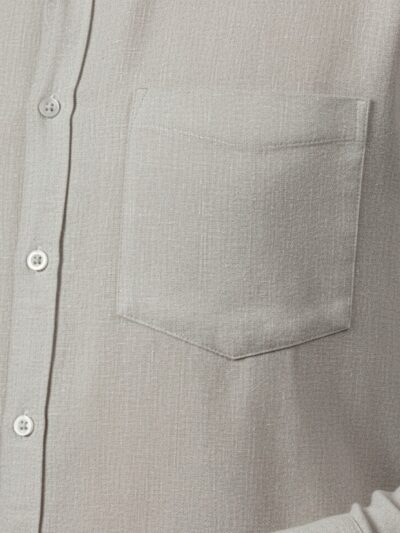
When shopping for cotton fabric, it’s important to know what to look for. High-quality cotton is typically made from long-staple fibers, which are smoother and less prone to pilling. Pima and Egyptian cotton are excellent examples of long-staple varieties. The fabric should feel soft yet substantial, with a tight, even weave. Checking for certifications like GOTS (Global Organic Textile Standard) can also help ensure you’re getting genuine organic cotton. Additionally, terms like “combed” indicate that the fabric has been processed to remove impurities, resulting in a finer, more durable material.
Comparing Cotton Blends: When Pure Isn’t Better
While pure cotton is beloved for its natural qualities, cotton blends can offer unique advantages. For example, a cotton-polyester blend is more wrinkle-resistant and durable, making it a practical choice for everyday wear. Cotton-linen blends combine the breathability of cotton with the texture and drape of linen, perfect for summer outfits. However, blends may not offer the same level of softness or breathability as pure cotton, so it’s important to consider your priorities when choosing between them.
Styling Cotton Fabric
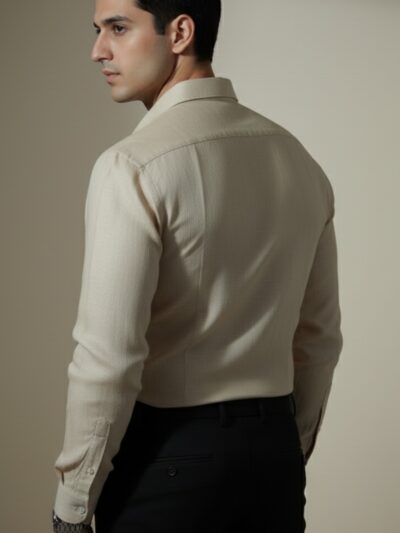
Styling cotton fabric depends on its type and weave. Lightweight cotton like voile or lawn is perfect for summer shirts and dresses, offering a breezy, airy feel. Heavier twills and canvas work well for structured jackets and trousers, providing durability and a polished look. Pima and Egyptian cotton are ideal for luxury basics like dress shirts and bedding, offering a refined look and feel. Organic cotton pairs well with minimalist, eco-conscious wardrobes, while combed cotton is a go-to for crisp, durable everyday wear. For instance, a Pehanoge shirt made from high-quality cotton can effortlessly transition from casual outings to semi-formal events, thanks to its versatility and comfort.
Buying Guide: What to Look For
When buying cotton fabric, consider the fiber length, weave, and finish. Long-staple varieties like Pima and Egyptian cotton are softer and more durable, making them worth the investment. Check for certifications like GOTS for organic cotton, and look for terms like “combed” for smoother, stronger fabric. Always feel the fabric—high-quality cotton should feel soft yet substantial. For sustainable choices, prioritize organic or recycled cotton options. In India, local weaves like mulmul and jamdani showcase the diversity of Indian cotton craftsmanship, offering unique textures and patterns that reflect the country’s rich textile heritage.
Indian Context: Cotton in Indian Culture and Fashion
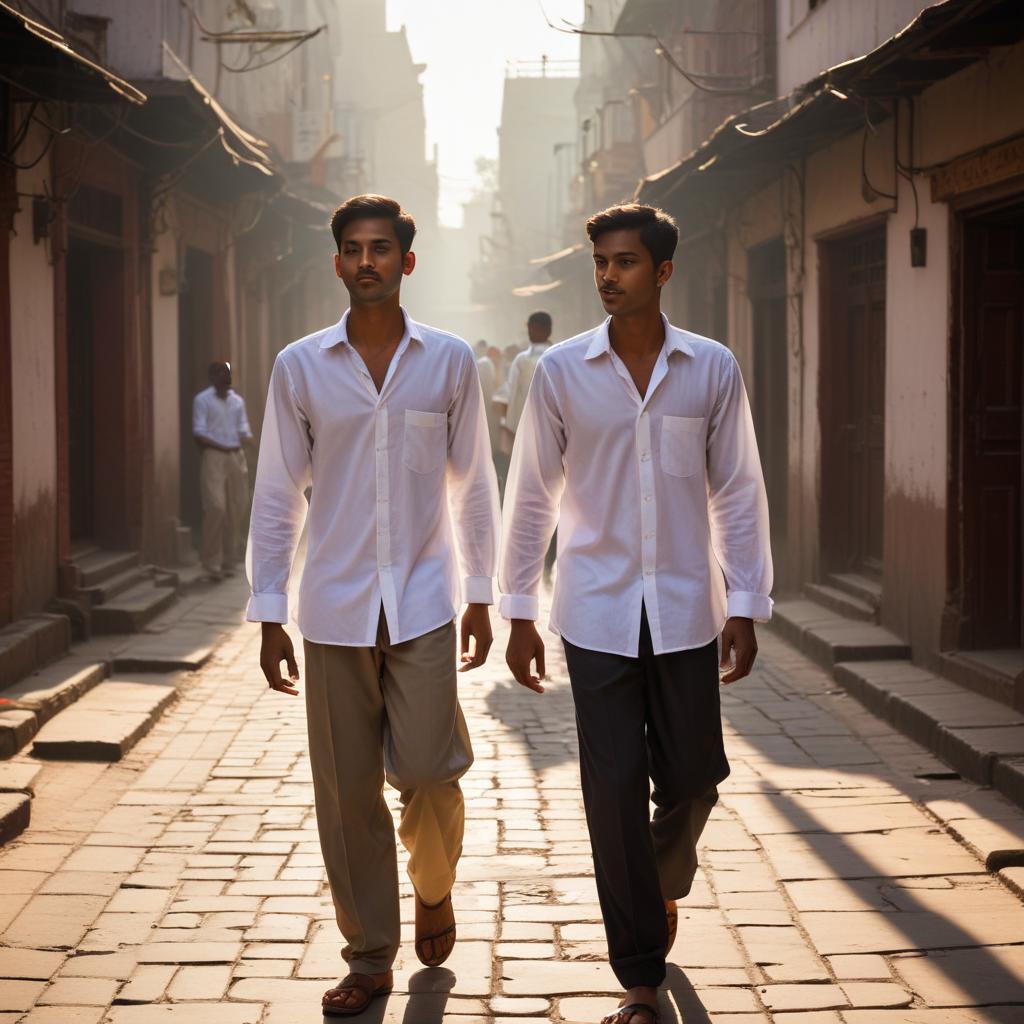
In India, cotton has deep cultural and economic roots, with regions like Gujarat and Maharashtra being major producers. Indian consumers often prefer breathable, lightweight cotton for the tropical climate, with khadi and handloom cotton holding cultural significance. Khadi, in particular, is associated with India’s freedom movement and is celebrated for its hand-spun, hand-woven quality. Organic cotton is gaining traction among eco-conscious buyers, while premium Giza and Pima cotton are sought after for luxury apparel. Local weaves like mulmul and jamdani showcase the diversity of Indian cotton craftsmanship, offering unique textures and patterns that reflect the country’s rich textile heritage.
FAQs
What is the difference between combed and regular cotton?
Combed cotton undergoes an additional process to remove shorter fibers, resulting in a smoother, stronger, and more durable fabric compared to regular cotton.
Is organic cotton better than regular cotton?
Organic cotton is grown without synthetic pesticides or fertilizers, making it more environmentally friendly and often softer. It’s a great choice for those prioritizing sustainability.
Which type of cotton is best for summer clothing?
Lightweight cotton fabrics like voile, lawn, and mulmul are ideal for summer clothing, as they are breathable and comfortable in hot weather.
How can I tell if cotton fabric is high quality?
High-quality cotton is made from long-staple fibers, feels soft yet substantial, and has a tight, even weave. Look for certifications like GOTS for organic cotton and terms like “combed” for added quality.