


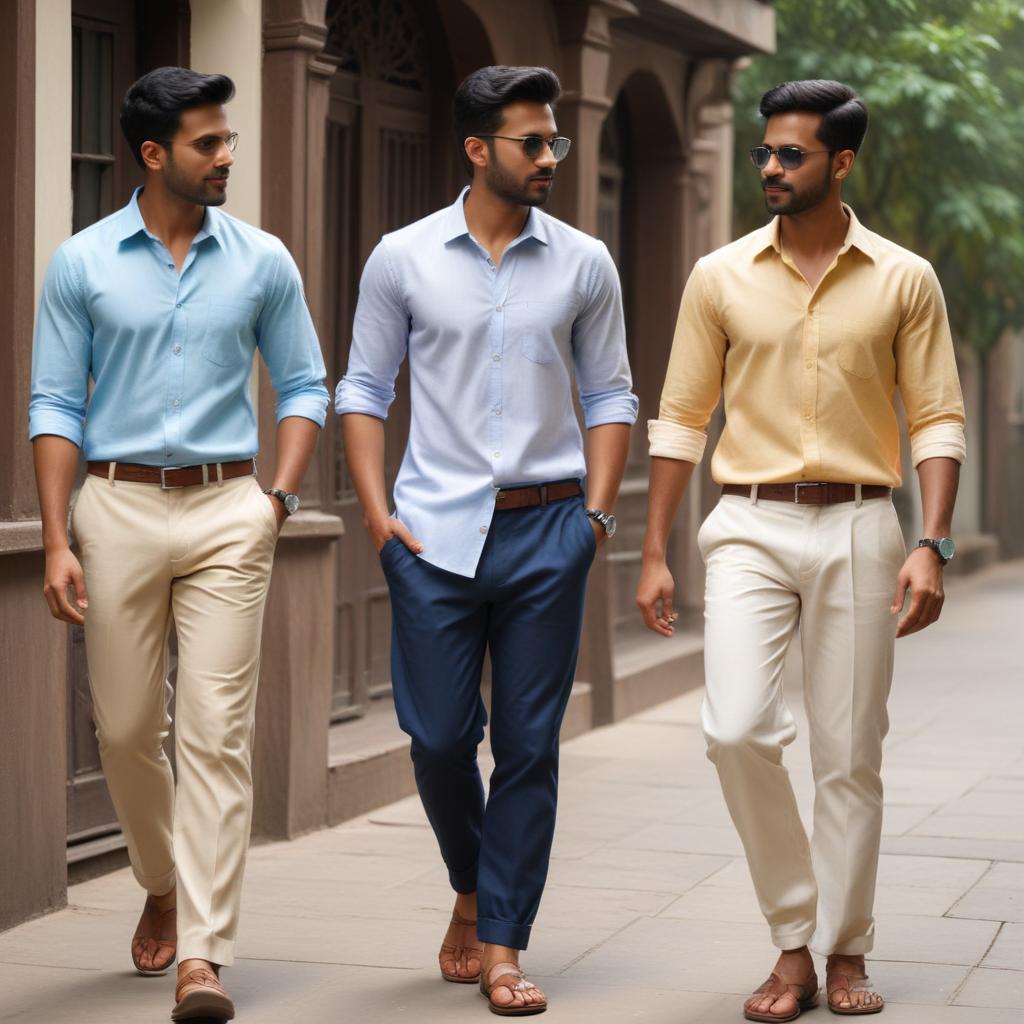
Men’s linen shirts often leave a disappointing sight at the end of the third wash: a patchy fade that turns a once‑refined shade into a washed‑out, uneven canvas. A casual beach tee from the local market might look flat beside an editorial‑style linen blazer that retains its hue and sheen. The secret to this discrepancy lies not in the weave itself but in how the fabric is dyed. Understanding the two main linen dyeing methods—yarn‑dyed and piece‑dyed—offers a roadmap for spotting premium, long‑lasting linen, whether you’re looking to upgrade a business wardrobe or stock up on summer basics.
How Linen Dyeing Methods Impact Color Longevity in Everyday Menswear
The core difference between yarn‑dyed and piece‑dyed linen is the point at which pigment is applied. Yarn‑dyed fabrics receive dye while the fibers are still in yarn form, before they are woven. This grants the color a deep, saturated anchor that resists washing, washing, and dry‑cleaning. Piece‑dyed fabrics, conversely, are woven first and then dyed as a finished roll of fabric. The dye has to permeate a bulkier woven surface, and it often yields a lighter, more uniform hue that can fade faster under repeated exposure to water and detergent.
Recommended for You
-
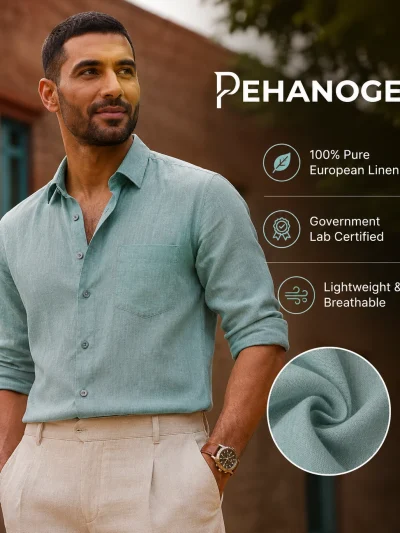
Oxy-Linen™ | Lux Teal – 60 Lea European Linen Shirt
Original price was: ₹4,999.₹3,399Current price is: ₹3,399. -

Oxy-Linen™ | Space Black – 60 Lea European Linen Shirt
Original price was: ₹4,999.₹3,399Current price is: ₹3,399. -
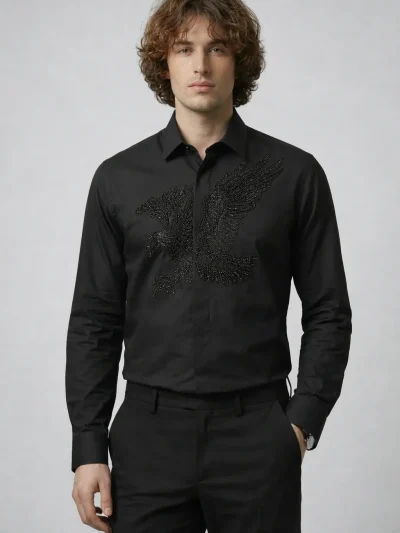
Noble Stitch | Midnight Eagle Giza Cotton Shirt
Original price was: ₹1,999.₹1,599Current price is: ₹1,599.
In India’s hot, humid climate, the differences become pronounced. A piece‑dyed summer shirt may look fresh after the first wash but can develop a chalky gray after just a handful of cycles. Yarn‑dyed shirts, however, tend to hold their original saturation across a full lifecycle, making them ideal for garments that see daily wear or frequent dry cleaning, such as churidar kurtas or pehanoge shirts meant for office and social events.
Yarn‑Dyed Linen: Why It Delivers Rich, Textured Color for Custom Tailoring
- Deep Color Penetration – Dye is absorbed at the microscopic level of each fiber, creating a pigment that resists leaching.
- Texture and Depth – Fabric retains subtle streaks and gradients, giving a three‑dimensional look that compliments tailored blazers and single‑tone trousers.
- Durability – Works well with repeat structured services like dry cleaning, advantageous for recurring business trips or festive seasons (shaadi, bandhgalas).
Because the dye is fixed within the yarn, the finished fabric is less prone to affect its surrounding weave or to develop a white core. The end product looks consistently vibrant regardless of washing frequency or exposure to sweat and sun—an essential attribute for menswear that sees a lot of movement.
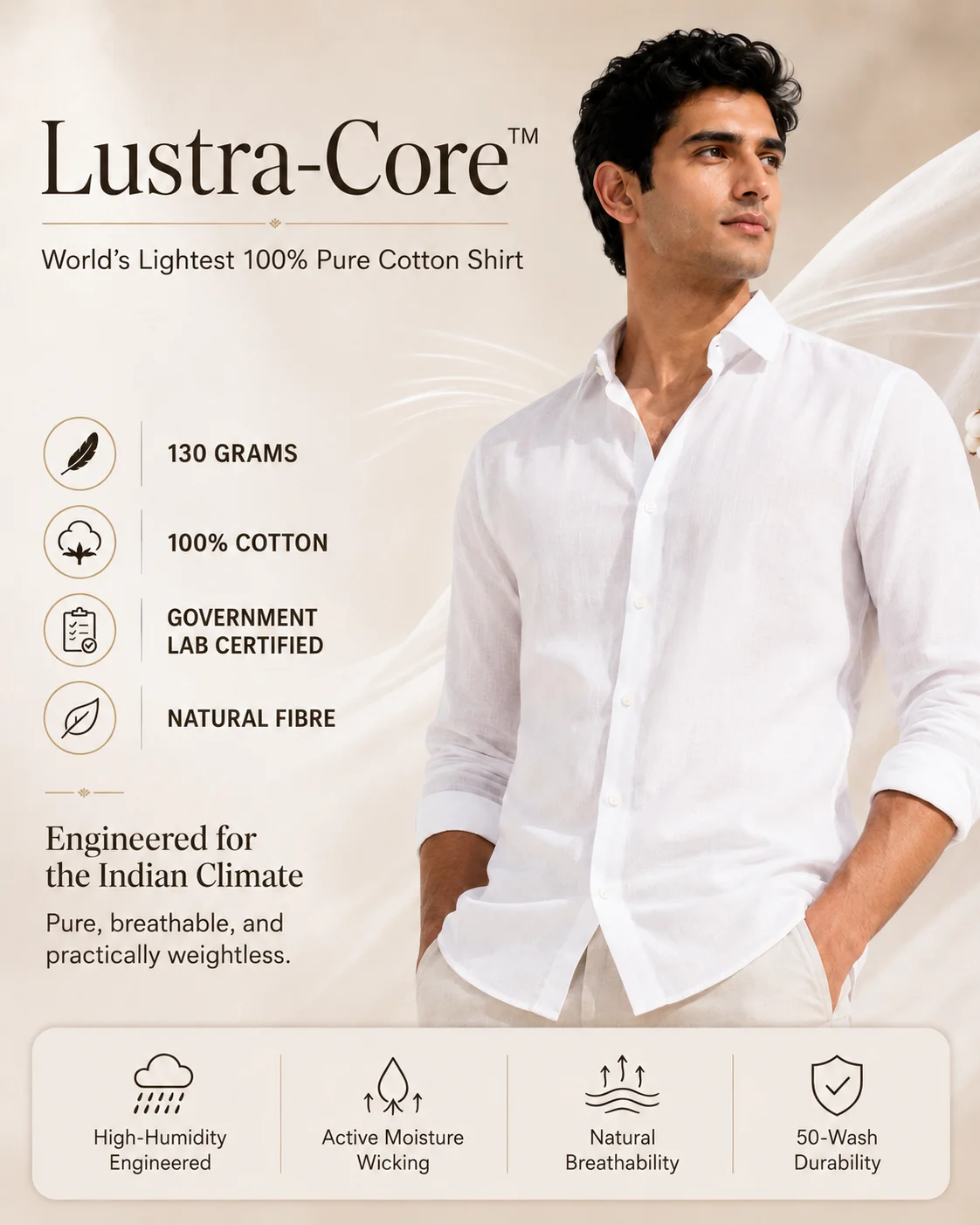
Lustra-Core™ Absolute White
Ultra-light pure cotton shirt engineered for Indian summers.
Piece‑Dyed Linen: The Fast, Affordable Option for Summer Basics
- Uniform Appearance – Pieces have a consistent shade that is less likely to show color streaks.
- Lower Cost and Quicker Turnaround – Dyeing the fabric after weaving cuts packaging and reduces labor.
- Ideal for Bulk Purchases – Great for ready‑to‑wear beachwear, vacation essentials, or off‑shelf kurtas sold in local Kerala markets.
The trade‑off is that piece‑dyed linen tends to be more forgiving of light scrubbing during wash but can fade faster at the edges. Nonetheless, for inexpensive, single‑use summer wear, the advantage of speedy availability and lower price point often outweighs the color loss.
Fabric Manufacturing Tradeoffs: Yarn‑Dyed vs Piece‑Dyed Production Costs and Timelines
| Parameter | Yarn‑Dyed | Piece‑Dyed |
|———–|———–|————|
| Dyeing Stage | Pre‑weave | Post‑weave |
| Cost per yard | Higher (additional dyeing step) | Lower |
| Lead time | Longer (planning yarn, dyeing, then weaving) | Shorter |
| Energy use | Moderately high | Lower due to fewer dye baths |
| Sustainability | More meticulous dye use (concentration, re‑use) | Potential waste in dye baths |
For a small boutique in Coimbatore that produces custom sherwanis, yarn‑dyed linen is the business default—despite its cost—because the market prices high‑end tailors. In contrast, a wholesale vendor in Bhagalpur supplying economy menswear to metro markets prefers piece‑dyed stock to keep inventory fresh and price competitive.
Styling Guidance for Each Dye Type
Yarn‑Dyed Linen
- Structured Blazers – Pair a yarn‑dyed navy blazer with slim‑fit chinos; the depth of color complements the sharp lines.
- Tailored Trousers – For meetings, choose a subtle burgundy or forest green, letting the textured hue stand out against a crisp white shirt.
- Pocket Squares – A solid pocket square in a complementary shade adds ceremonial flair, especially for weddings and corporate functions.
The restrained but potent color lends itself to confident visual balance, making the garment a silent statement of sartorial depth.
Piece‑Dyed Linen
- Casual Camp‑Collar Shirts – Light blues and muted greens look breathable on a beach trip.
- Drawstring Shorts – For a relaxed jog at a weekend market or in the metro during high humidity, piece‑dyed linen gives a pleasing monochrome look.
- Kurtas and Sundries – A crisp peach or beige piece‑dyed robe is simple yet practical for daily wear.
Because they are lightweight yet give a timeless look, these garments can accompany you to any low‑stakes summer outing without fuss.
A Practical Buying Guide for Indian Men
- Inspect Raw Edges – Yarn‑dyed linen will reveal subtle color gradients or patchwork at the fringe; piece‑dyed will be uniformly smooth.
- Check Manufacturer Disclosures – Look for “yarn‑dyed” or “piece‑dyed” labeling on tags or product sheets.
- Prioritize Use Case – Invest in yarn‑dyed linen for formal, repeat‑use pieces (sherwanis, meeting shirts, Pehanoge shirts). Opt for piece‑dyed for disposable, seasonal items.
- Test Color Fastness – Gently rub both fabric types with a white cloth; a yellow stain indicates imminent fading.
- Consider Lifecycle – Buy more expensive yarn‑dyed linen for items washed infrequently but worn often—e.g., wedding sherwanis—to save on long‑term replacement costs.
These steps make the difference between buying a shirt that will look preservation‑grade for five years and one that fades before your first conference.
Tailoring Advice for Indian Menswear
India’s diverse climate demands materials that can survive a year of monsoon spraying, midday heat, and nightly sweat. Yarn‑dyed linen is perfect for shaadi season bandhgalas where a durable, rich color that withstands multiple dry cleans is critical. It’s also the grainy, earthy beige that describes a Bhagalpur province’s hand‑dyed staple, fitting for executives wearing a smart lined suit in Mumbai’s LinkedIn rooms.
Piece‑dyed linen shines with Kerala mundu, where a lightweight, quick‑dry fabric in a uniform, pastel hue keeps the wearer cool. Similarly, budget‑friendly office wear for humid metros often comes in piece‑dyed runs, perfectly balancing cost and comfort.
### FAQs
Does yarn‑dyed linen always offer better color longevity than piece‑dyed linen?
Not always. While yarn‑dyed fabric generally retains color longer because the dye bonds at the fiber level, the longevity also depends on washing practices and detergent type. Piece‑dyed linen can be treated with water‑repellent finishes that slow fading.
How can you distinguish yarn‑dyed linen from piece‑dyed linen without damaging the garment?
Inspect the raw edge: yarn‑dyed shows slight color variation or gradients; piece‑dyed remains uniform. Additionally, a gentle tug test may reveal differences in fiber density—yarn‑dyed fibers feel slightly tighter.
Why does yarn‑dyed linen have a more textured color appearance than piece‑dyed variants?
The dyeing occurs before weaving, allowing each fiber to absorb pigment unevenly at micro‑points. These micro‑differences create a subtle stippling effect that, under light, looks textured. Piece‑dyed fabrics receive the dye uniformly across the entire surface.
Which linen dyeing method is more cost‑effective for large‑scale fabric manufacturing?
Piece‑dyed is typically more cost‑effective for bulk production due to lower dyeing steps and faster throughput. Yarn‑dyed requires more time and labor but is favored for premium lines that command higher prices.