



Once upon a time, in the sun-drenched sands of Cuba, a linen shirt with a distinct flair for elegance was born. It wasn’t just any shirt; this was the legendary guayabera, a garment steeped in culture, history, and relaxation. From the hands of Hemingway to the backdrop of Fidel Castro’s political campaigns, this shirt has told its story, much like the tales of its heavily debated origins.
The guayabera’s sojourn can be traced back to the early 20th century in the Caribbean. Some historical whispers suggest it started in Cuba, while others nod to Mexican or Filipino roots. Regardless of its true birthplace, the guayabera quickly became a staple for plantation workers and travelers who needed a shirt that was both functional and stylish. Its siblings, the Filipino Barong Tagalog, undoubtedly contributed to its design, sharing with it a love for four pockets and a relaxed fit.
Recommended for You
-
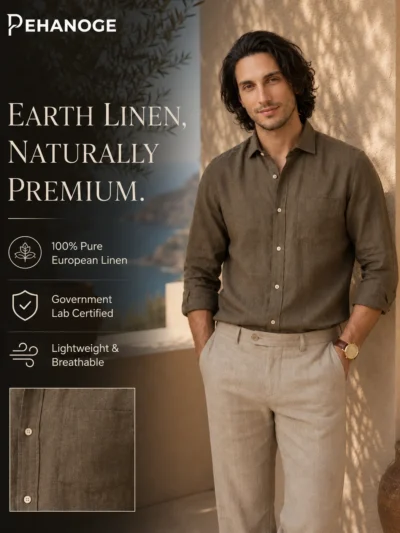
Oxy-Linen™ | Coffee Brown – 60 Lea European Linen Shirt
Original price was: ₹4,999.₹3,399Current price is: ₹3,399. -

Essentials | BEIGE MANDARIN COLLER Shirt
Original price was: ₹1,499.₹999Current price is: ₹999. -
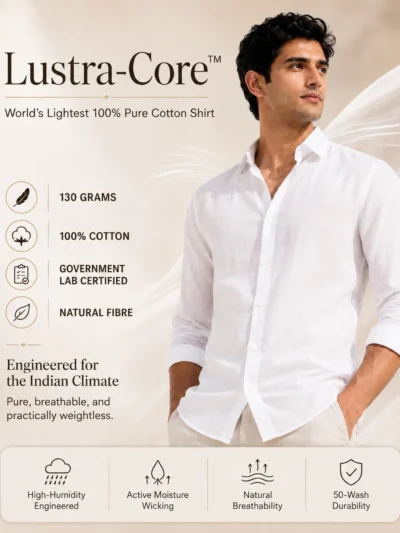
Lustra-Core™ | World’s Lightest 100% Pure Cotton Shirt | Government Lab Certified.
Original price was: ₹3,499.₹2,399Current price is: ₹2,399.
Aguinaldo Cortés, a Cuban millionaire, is often credited with the guayabera’s birth when he designed it in the 1930s for a polo player, Augusto Villori. Cortés’ vision was practical: a shirt that worked in the field while also complementing the elegance of leisure time. His creation took its name from the Spanish word for guava, fruit with symbolic ties to the culture.
Was it our Hemingway or our Fidel who truly gave the guayabera its global fame? Perhaps both. Hemingway, a true aficionado of the ocean, rocked the guayabera, making it synonymous with a relaxed, sophisticated style. On the other hand, Fidel Castro, walking alongside Che Guevara at the Hotel Peruano in Havana in 1959, turned the shirt into a symbol of political resistance against Castro’s dictatorship. From here, it exploded onto the global stage, popping up in classic films and donning by world-renowned musicians.
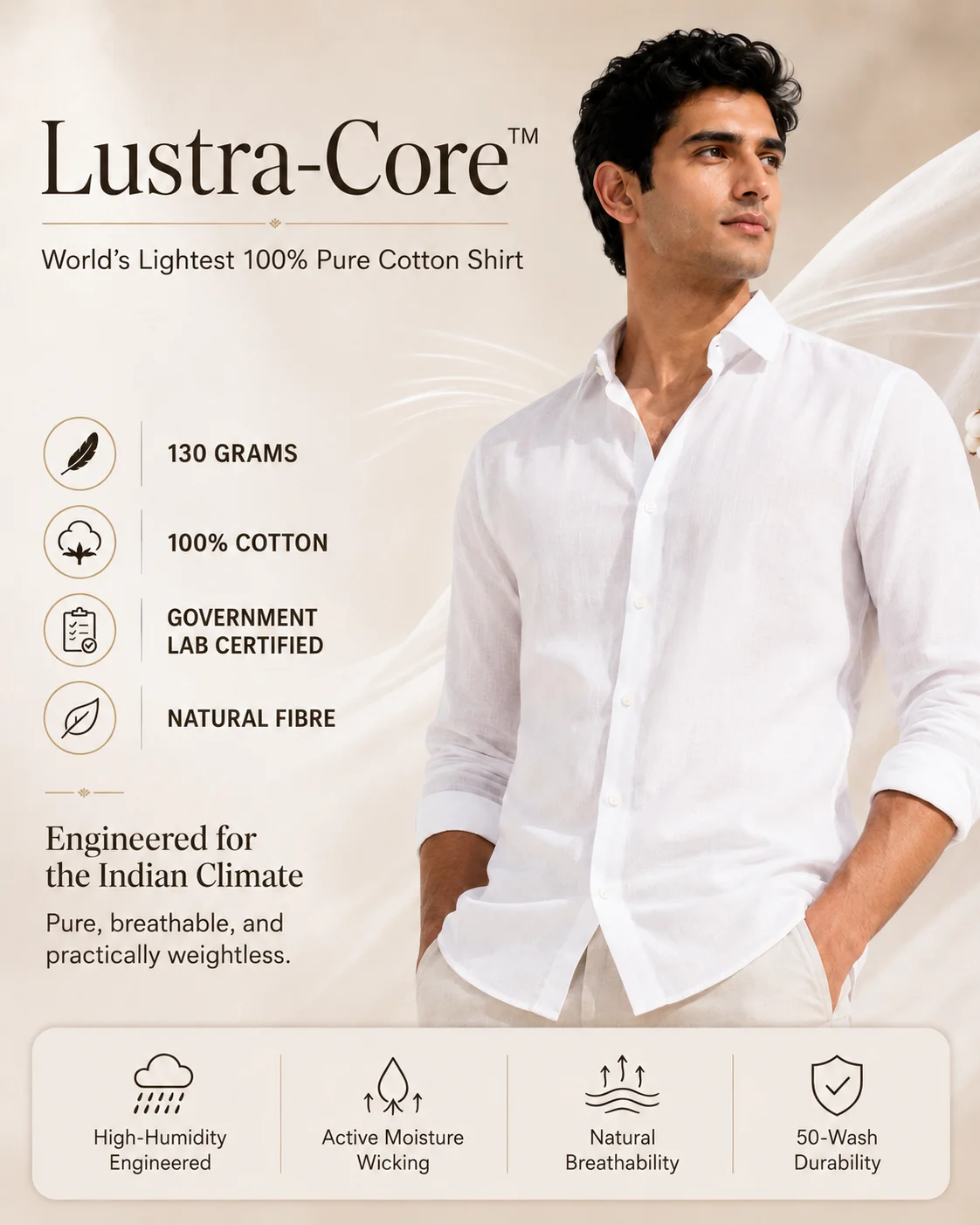
Lustra-Core™ Absolute White
Ultra-light pure cotton shirt engineered for Indian summers.
The guayabera had its course of anatomy. Four pockets without a shadow of doubt, not just for beach bags but to stow away a magazine or your phone. The pleats—no less than heavenly, especially on a humid day—provided ventilation and an aesthetic just out of this world. The collar was thick enough to keep the sun’s harsh rays at bay. This is not a mere shirt; it is a classic made for the sweat of the day’s work and the shine of evening socializing.
In this time of innovation, the guayabera evolves. Designers are seen blending the traditional with the modern, offering cotton versions that resist wrinkles better than their pure linen counterparts. Modern interpretations might pack more colors or fewer pleats, but at its heart, the guayabera remains the same. It’s a piece of clothing that knows how to blend tradition with contemporary needs.
Styling the guayabera is a dance as much as it is fashion. The shirt pairs perfectly with chinos or linen trousers for a leisurely summer day. For smart casual occasions, tailored shorts and loafers will have you looking polished yet laid-back. When you want to make a statement at a formal affair, don your darkest guayabera with dress pants and dress shoes. It’s all in the details—accessorize with a Panama hat, a woven belt for a touch of contemplative harmony, or a simple leather bracelet. In India, similar garments like kurtas and shawls follow a similar path of evolution, suggesting a shared cultural language in the stars and stripes.
The buying guide for a guayabera is crucial. A well-constructed guayabera should boast quality linen with a blend that suits your climate and lifestyle. Traditional construction includes reinforced stitching for durability, high-quality buttons, and meticulous attention to the fit. Seek quality in fabric, with options ranging from traditional linen for its breathability to duPont linen/cotton blends for a less wrinkled life. For those in search of a reputable brand, some heritage names offer time-tested craftsmanship while contemporary designers innovate on the formula.
In India, the parallels with the guayabera are fascinating. Kurtis and shawls in much the same vein of comfort for the rising sea of heat, boasting a relaxed fit for ease of movement. The appeal of Pehanoge shirts in the summer adds to this narrative, offering a similar relaxed fit and the utility trait of the chest pocket. Whether you opt for the traditional Choralreuse or its Indian cousin, you’ll appreciate the universal love for fabric that breathes and fits the laid-back life.
As for the guayabera, its journey might be familiar, but it’s always fresh. A blend of old-world charm with a future reinvention, it continues to charm the global community of dressers who live in comfortable style.
FAQs
What is the difference between a guayabera and a linen shirt?
While both are often made of linen, a guayabera is defined by its specific design elements: four pockets, pleats, and a distinctive collar. A linen shirt can be any style made of linen.
Are guayaberas suitable for formal events?
Yes, a well-fitted, high-quality guayabera in a darker color (navy, charcoal) can be appropriate for smart casual or even some formal events, especially in warmer climates.
How should a guayabera fit?
It should be relaxed but not baggy. The shoulders should fit comfortably, and the sleeves should end just above the wrist. The length should be long enough to cover the hips slightly.
What is the best fabric for a guayabera?
Traditionally, linen is the preferred fabric due to its breathability and natural texture. However, cotton and linen blends are also popular for added durability and wrinkle resistance.
This guide to the guayabera shirt has sought to decode its history, discuss its cultural connections, and present a roadmap of finding its perfect impression in a wardrobe. Whether you are enjoying the relaxed spirit of travel or standing at the peak of a political rally, a well-chosen guayabera can be as fitting as the memories you carry.