



Therise of conscious consumerism in men’s fashion has reshaped how we approach style and sustainability. Today, choosing between flax (linen) and organic cotton isn’t just about aesthetics—it’s about making a deliberate choice to reduce the industry’s environmental impact. Men are increasingly aware that their wardrobe decisions can tilt the scale toward eco-friendliness, especially as brands like Pehanoge redefine casual wear by blending functionality with ethical practices. This shift isn’t a fleeting trend but a response to a growing demand for transparency in production. By opting for sustainable textiles, consumers can support systems that prioritize resource efficiency without compromising on comfort or style.
Flax vs Cotton Sustainability: A Comparative Water Footprint Analysis
Water usage is a critical factor when evaluating textile sustainability. Flax inherently requires significantly less water than organic cotton, making it a compelling choice for eco-conscious buyers. For instance, producing one kilogram of flax fabric consumes roughly 1.8 cubic meters of water, compared to 22.5 cubic meters for organic cotton. This stark difference stems from flax’s deep root system, which accesses moisture from lower soil layers, reducing reliance on irrigation. Pehanoge’s flax-based shirts exemplify this efficiency, offering breathable, lightweight options that require minimal water-intensive cultivation. While both fabrics are sustainable, the water savings from flax could be a deciding factor for those prioritizing climate-conscious choices.
Recommended for You
-
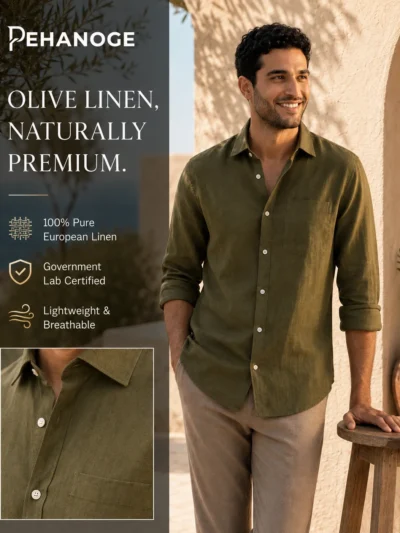
Oxy-Linen™ | Olive Green – 60 Lea European Linen Shirt
Original price was: ₹4,999.₹3,399Current price is: ₹3,399. -
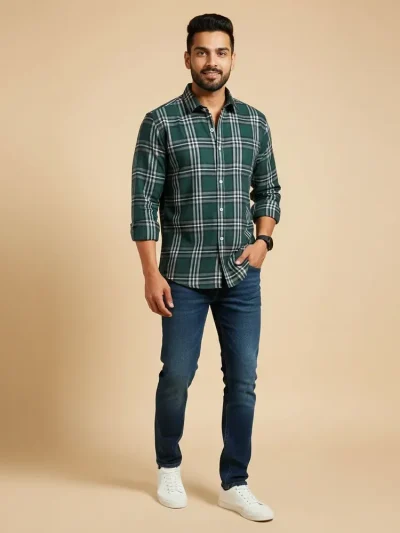
RUGGED-NAP | GREEN CHECKED SHIRT
Original price was: ₹1,499.₹1,299Current price is: ₹1,299. -
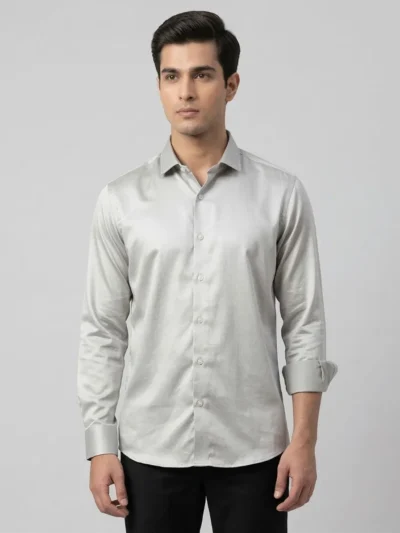
Giza-Silk | Light Grey Long-Staple Giza Cotton Shirt
Original price was: ₹1,499.₹1,199Current price is: ₹1,199.
Eco‑Friendly Farming Practices: How Flax and Organic Cotton Differ
The farming methods behind flax and organic cotton further highlight their sustainability profiles. Flax thrives in poor soils and needs fewer synthetic pesticides, making it a low-impact crop. In contrast, organic cotton avoids chemical fertilizers and pesticides but still demands intensive water and land use. Gujarat’s flax cultivators, for example, often adopt crop rotation and natural pest control, preserving soil health while maintaining yield. Meanwhile, organic cotton hubs in Andhra Pradesh rely on rain-fed farming and organic manure, though they face challenges during droughts. Both crops benefit from certifications like GOTS, but flax’s inherent resilience gives it an edge in arid regions. For men seeking versatile wardrobe staples, understanding these practices helps align purchases with values.
Durability, Style, and Performance: Which Sustainable Textile Wins for Men’s Wardrobe?
When it comes to durability, linen and organic cotton each have strengths. Linen is naturally resilient, lasting up to 100 washes before showing signs of wear, while organic cotton softens with each cycle but may fade or shrub over time. Stylistically, flax offers a structured, polished look ideal for tailored blazers and crisp shirts, whereas organic cotton drapes beautifully into relaxed fits, as seen in Pehanoge’s breathable casual wear. Performance-wise, linen excels in warmth regulation—cool in heat, comfortable in mild weather—making it a year-round choice. Cotton, with its absorbency, remains a favorite for summer shorts and loungewear. The modern man might find flax’s wrinkle-resistant properties a win during travel, while cotton’s familiarity ensures effortless layering.
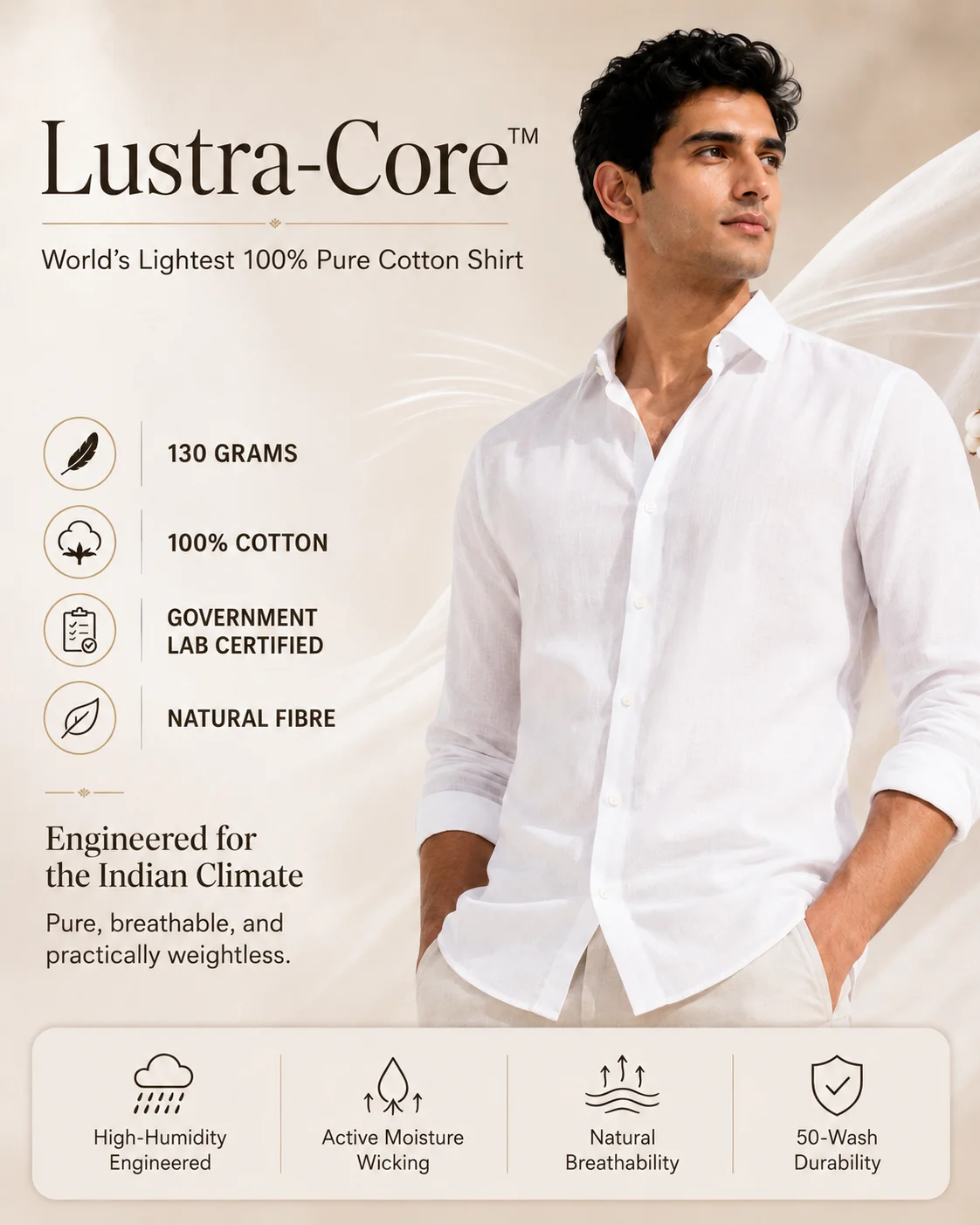
Lustra-Core™ Absolute White
Ultra-light pure cotton shirt engineered for Indian summers.
Low Water Textiles in Action: Real‑World Case Studies from Leading Sustainable Brands
Several brands are pioneering low-water textiles, offering tangible proof of their impact. In India, brands like Pehanoge have localized production to reduce carbon emissions. Their flax shirts, crafted from Gujarat-grown fiber, utilize traditional weaving techniques alongside modern sustainability standards. Globally, brands such as Patagonia and Reformation incorporate linen into workwear, showcasing its versatility. These examples underscore how low-water textiles aren’t just theoretical—they’re scalable solutions. For Indian consumers, supporting such brands not only reduces environmental strain but also revitalizes traditional crafts through ethical partnerships.
Why Pehanoge Fits the Sustainable Narrative
Pehanoge’s approach to sustainable menswear aligns seamlessly with the principles outlined above. Their collection balances flax and organic cotton, catering to varied climates and preferences. A linen shirt from Pehanoge might be worn for daytime office wear, while an organic cotton kurta could transition to a casual evening outfit. By prioritizing region-specific materials and collaborating with local weavers, Pehanoge bridges tradition and sustainability, making eco-conscious choices accessible without compromising on style.
Indian Context Angle: Regional Cultivation and Artisan Collaboration
India’s geographical diversity makes it a global leader in sustainable textile production. Gujarat’s flax fields benefit from the state’s arid climate, ideal for low-water farming, while Andhra Pradesh’s cotton thrives under rain-fed conditions. Artisans in these regions are increasingly integrating traditional handlooms with organic farming, creating heritage-inspired styles that appeal to modern buyers. Brands like Pehanoge often highlight these collaborations in their marketing, emphasizing how local expertise enhances both quality and sustainability. For consumers, buying from such brands supports rural economies and reduces the carbon footprint associated with imports.
FAQs
#### What makes flax (linen) a lower-water textile compared to organic cotton?
Flax requires significantly less water because its root system naturally draws moisture from deeper soil layers, reducing the need for irrigation. Organic cotton, while better than conventional cotton, still requires large volumes of water for growth.
#### Are there any drawbacks to choosing flax over organic cotton for everyday men’s clothing?
Linen can feel cooler in humid climates, which might make it less ideal for summer wear unless blended with other fibers. It also requires occasional ironing to remove wrinkles, though modern flax blends often address this. Organic cotton, conversely, may shrink or fade faster with repeated washing.
#### How can I verify that a product is truly sustainably farmed?
Look for certifications like GOTS (Global Organic Textile Standard) or OEKO-TEX. For flax, check if it’s produced in regions known for low-water agriculture, such as Gujarat. Brands like Pehanoge often share detailed sourcing narratives, including farmer cooperatives and eco-friendly dye processes.
#### What care routine prolongs the lifespan of flax and organic cotton garments?
Wash in cold water with eco-friendly detergents to prevent fiber breakdown. Avoid high heat when drying, as it can weaken linen or shrink cotton. Air-drying is ideal for both fabrics. For flax, ironing occasionally helps maintain its sharp appearance, while organic cotton softens naturally over time.