



From the Caribbean plantations to Mediterranean weddings, the guayabera has outlasted every trend cycle—here’s why this pleated linen shirt became the unofficial uniform of stylish men across continents. Most menswear staples have a fleeting shelf life: skinny ties, distressed denim, oversized streetwear hoodies all peaked before fading. The guayabera has stayed relevant for over a century, moving seamlessly from sweaty fields to diplomatic summits, beachside bars to semi-formal events. For Indian men accustomed to cotton kurtas and linen casuals, it feels oddly familiar, bridging traditional Indian silhouettes and Western smart-casual wear. Brands like Pehanoge now stock similar pleated shirting for India’s hot, humid climate.
The Origins: How the Guayabera Got Its Start in Cuba’s Tropical Heat
The guayabera’s roots lie firmly in 19th century Cuba, where sugar and coffee plantation workers needed clothing that could withstand sweltering tropical heat. Early versions were loose, lightweight cotton or linen shirts with large front pockets to hold tobacco leaves, tools, or small harvests. The name is widely believed to derive from “guayabera”, either from the guayaba (guava) vendors who wore them, or the guayabera tree whose bark was used to dye early shirts. Unlike stiff European shirting brought by colonizers, these early guayaberas were cut to allow maximum airflow, a design logic that resonates deeply with men across India’s tropical and coastal regions.
Recommended for You
-

Oxy-Linen™ | Lemon Yellow – 60 Lea European Linen Shirt
Original price was: ₹4,999.₹3,399Current price is: ₹3,399. -
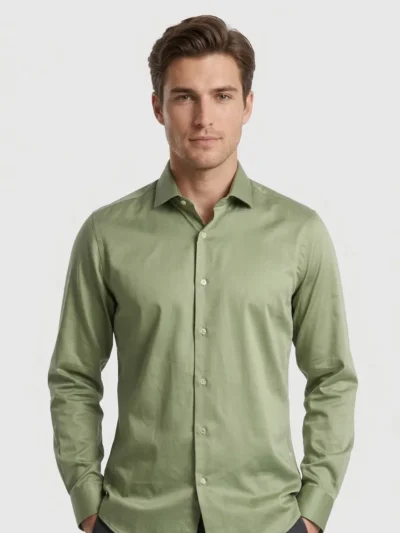
Giza-Silk | Forest Green Long-Staple Giza Cotton Shirt
Original price was: ₹1,499.₹1,199Current price is: ₹1,199. -
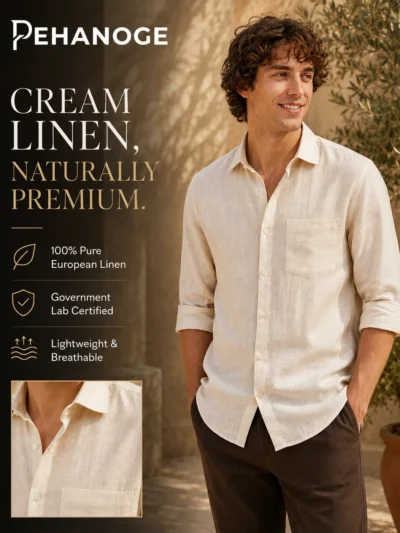
Oxy-Linen™ | Cream Linen – 60 Lea European Linen Shirt
Original price was: ₹4,999.₹3,399Current price is: ₹3,399.
Guayabera Shirt History: From Working-Class Essential to Diplomatic Dress Code
By the early 20th century, the guayabera shed its working-class tag, gaining popularity among Cuba’s middle class and politicians. Fidel Castro frequently wore them in official settings, cementing its status as a Latin American symbol. Mid-century, it became accepted as formal wear across the Caribbean and Latin America, even for state dinners. Its structured silhouette allowed it to hold its own against suits, while being far more practical for hot climates. It never replaced the suit in Western corporate spaces, but carved out a niche in smart-casual and resort wear.
The Anatomy of the Iconic Four-Pleat Design and What Makes It Special
The defining feature of a guayabera is its four vertical pleats, two symmetrically placed on each chest side. These pleats add drape, circulate air close to the skin, and allow movement without extra bulk. Standard features include two to four front patch pockets, side hem slits, and a flat camp collar meant to be worn open. Most authentic guayaberas are 100% linen or lightweight cotton, never synthetic. The pleats are what separate it from a regular flat-front linen shirt.
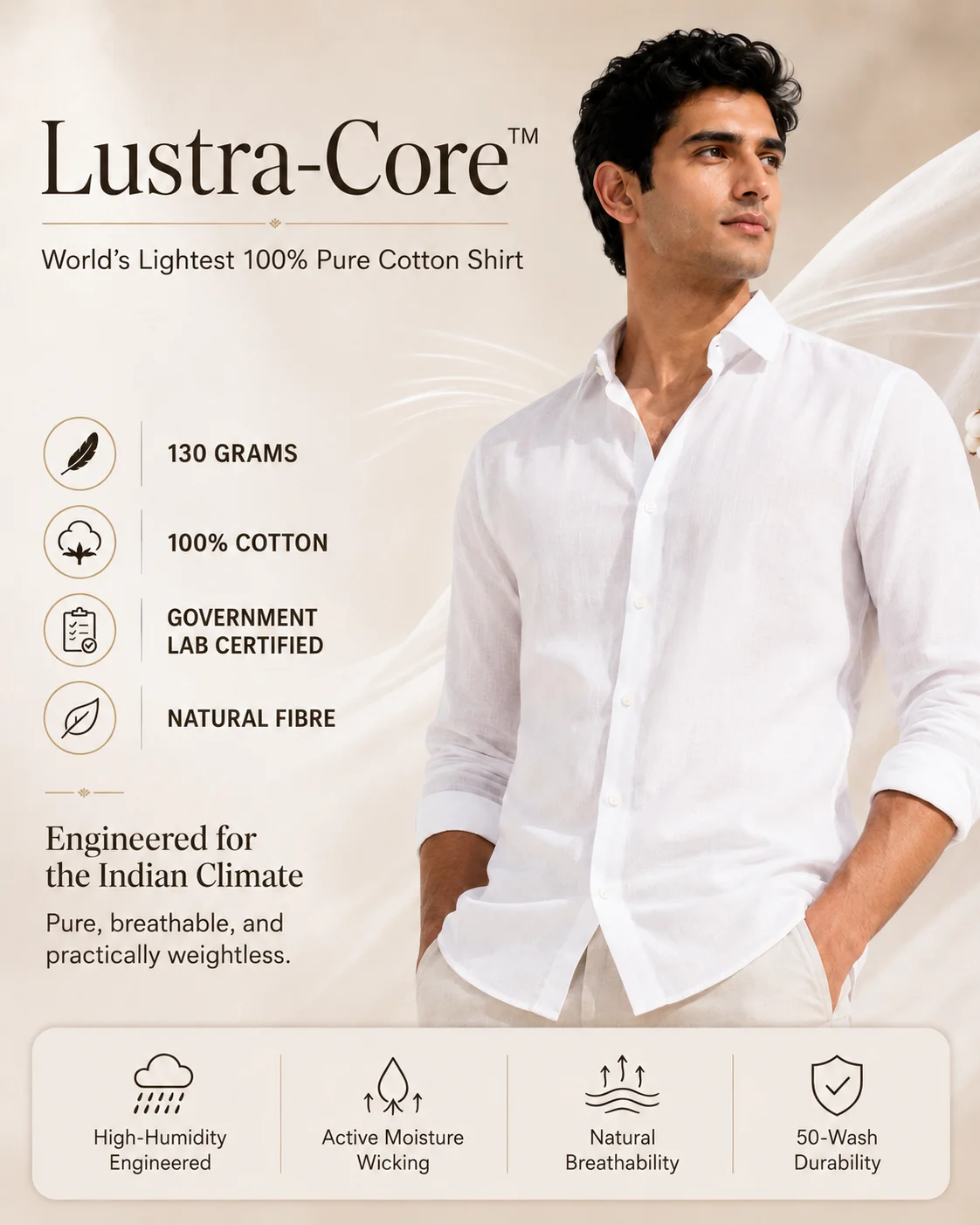
Lustra-Core™ Absolute White
Ultra-light pure cotton shirt engineered for Indian summers.
How the Shirt Conquered Latin America, Mexico, and Beyond
From Cuba, the guayabera spread quickly to Mexico (where it’s often called the camisa yucateca), Puerto Rico, and the Dominican Republic, with each region adding small tweaks to the design. Migrants carried it to the US, where it became a staple in Florida and California’s warm coastal towns, before making its way to European Mediterranean resorts in the 1980s. Today, it’s a global go-to for destination weddings and beach vacations, including in India’s coastal wedding hubs like Goa and Kerala, where its breathable design is perfectly suited to humid seaside celebrations.
The Guayabera’s Unexpected Role in Hollywood and Pop Culture
The guayabera has long been a staple of Hollywood’s visual storytelling, often used to signal Latin American or tropical settings. It featured prominently in 1980s Miami Vice, worn by Don Johnson to cement the show’s laid-back, tropical aesthetic. Musicians like Harry Belafonte and more recently Bad Bunny have worn guayaberas in music videos and performances, cementing its status as a pop culture icon. It’s also a common sight in destination wedding content on social media, where influencers pair it with linen trousers for beachside shoots.
The Guayabera in India: A Natural Fit for Tropical Wardrobes
While the guayabera is distinctly Latin American, Indian menswear has embraced similar breathable silhouettes in recent years. The shirt’s ventilation-focused design resonates with India’s own tradition of light, airy fabrics like muslin and cotton kurta styles, making it a popular choice for destination weddings in Goa and coastal Kerala. Indian men are increasingly pairing guayaberas with linen trousers or even traditional dhotis for fusion wedding looks, while casual wear brands like Pehanoge are leaning into the trend, offering high-quality linen guayaberas that work for both festive and everyday wear. The overlap between the guayabera’s functionality and India’s long history of lightweight, breathable menswear makes it a natural addition to most wardrobes here.
How to Style Your Guayabera for Any Occasion
Pair your guayabera with lightweight linen trousers or crisp white chinos for daytime events. For evening occasions, layer it over a fitted t-shirt or wear it untucked with dark denim. Skip the tie—this shirt commands an open collar. Add leather sandals or boat shoes to complete the relaxed-yet-polished aesthetic. For Indian festive events, you can also pair a neutral-toned guayabera with a beige Nehru jacket for a fusion formal look that works for sangeets or mehendi ceremonies. Pehanoge’s casual wear line includes guayaberas in versatile shades that transition easily from day to night.
A Buyer’s Guide to Authentic Guayaberas
Look for these key details when shopping:
- 100% linen or high-quality cotton blends with visible, deep pleats that sit symmetrically on both chest panels
- Reinforced side seams and mother-of-pearl buttons
- Natural fibers only, no synthetic blends
Check that pleats are pressed sharp and even, not just printed or tacked on loosely. When shopping Indian brands like Pehanoge, these markers are a good way to separate authentic pieces from fast-fashion knockoffs. A well-made guayabera will last for years, softening with every wash without losing its structured silhouette.
FAQs
What’s the difference between a guayabera and a regular linen shirt?
Regular linen shirts have flat fronts and no pleats. Guayaberas have four vertical chest pleats, side hem slits, and front patch pockets. The pleats add breathability and drape, making them looser than standard linen shirts even in the same fabric.
Can guayaberas be worn to formal business meetings?
In Latin America and the Caribbean, neutral, well-pressed guayaberas are accepted as formal business wear. In conservative Indian or Western offices, they may be too casual, but work for creative industries or outdoor hot-weather business events.
How do you properly care for pleated linen shirts to maintain their shape?
Wash cold on gentle cycle or by hand, avoid tumble drying. Iron slightly damp, pressing pleats to keep them sharp. Store on a padded hanger to prevent creasing.
Are there regional variations of the guayabera across different Latin American countries?
Yes: Mexican Yucatan styles often have embroidered pleats, Puerto Rican versions have longer sleeves, Colombian guayaberas favor dark shades, and Cuban classics are crisp white with minimal detail.