



Linen fabric weaves are the unsung heroes of men’s fashion, dictating texture, drape, and durability. From the crisp simplicity of plain weave to the intricate diagonals of herringbone, understanding these linens is key to elevating your wardrobe. Let’s decode how these weaves define a garment’s personality and performance, especially in India’s diverse climate.
Understanding Linen Fabric Weaves: Plain vs. Herringbone
Linen, derived from the flax plant, already carries a reputation for breathability and a relaxed elegance. Yet the weave – the way the yarns intersect – can transform the same raw material into two vastly different pieces.
Recommended for You
-
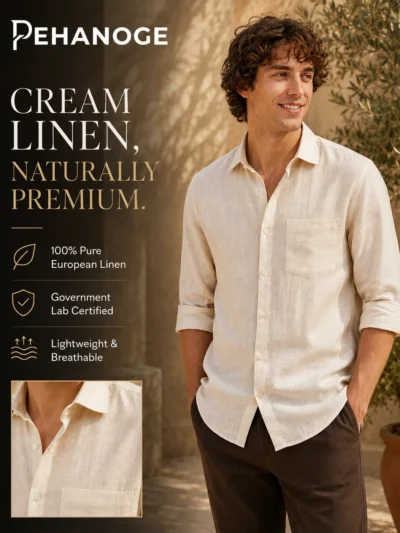
Oxy-Linen™ | Cream Linen – 60 Lea European Linen Shirt
Original price was: ₹4,999.₹3,399Current price is: ₹3,399. -

Essentials | RUST Enriched Cotton MANDARIN COLLER Shirt
Original price was: ₹1,499.₹999Current price is: ₹999. -

Noble Stitch | Royal Feather Giza Cotton Shirt
Original price was: ₹1,999.₹1,599Current price is: ₹1,599.
- Plain weave: the most basic over‑and‑under pattern. It produces a tight, even surface that is lightweight and smooth. Think of it as the canvas on which any design can be painted.
- Herringbone weave: a variation of the twill, where the diagonal “V” motifs reverse direction every few rows. This creates a subtle texture that catches light differently on each side, adding visual depth without sacrificing the fabric’s natural breathability.
In practical terms, plain weave linen feels more uniform and works well when you want a crisp silhouette. Herringbone, with its micro‑checkered effect, adds a muted pattern that can hide minor creases – a handy trait for the humid Indian monsoon.
The Timeless Simplicity of Plain Weave Linen
Plain weave linen shirts have been a staple in Indian wardrobes for centuries, from the cotton‑linen blend kurta to the contemporary Pehanoge shirt that sits comfortably between formal and casual. The reasons for its staying power are straightforward:
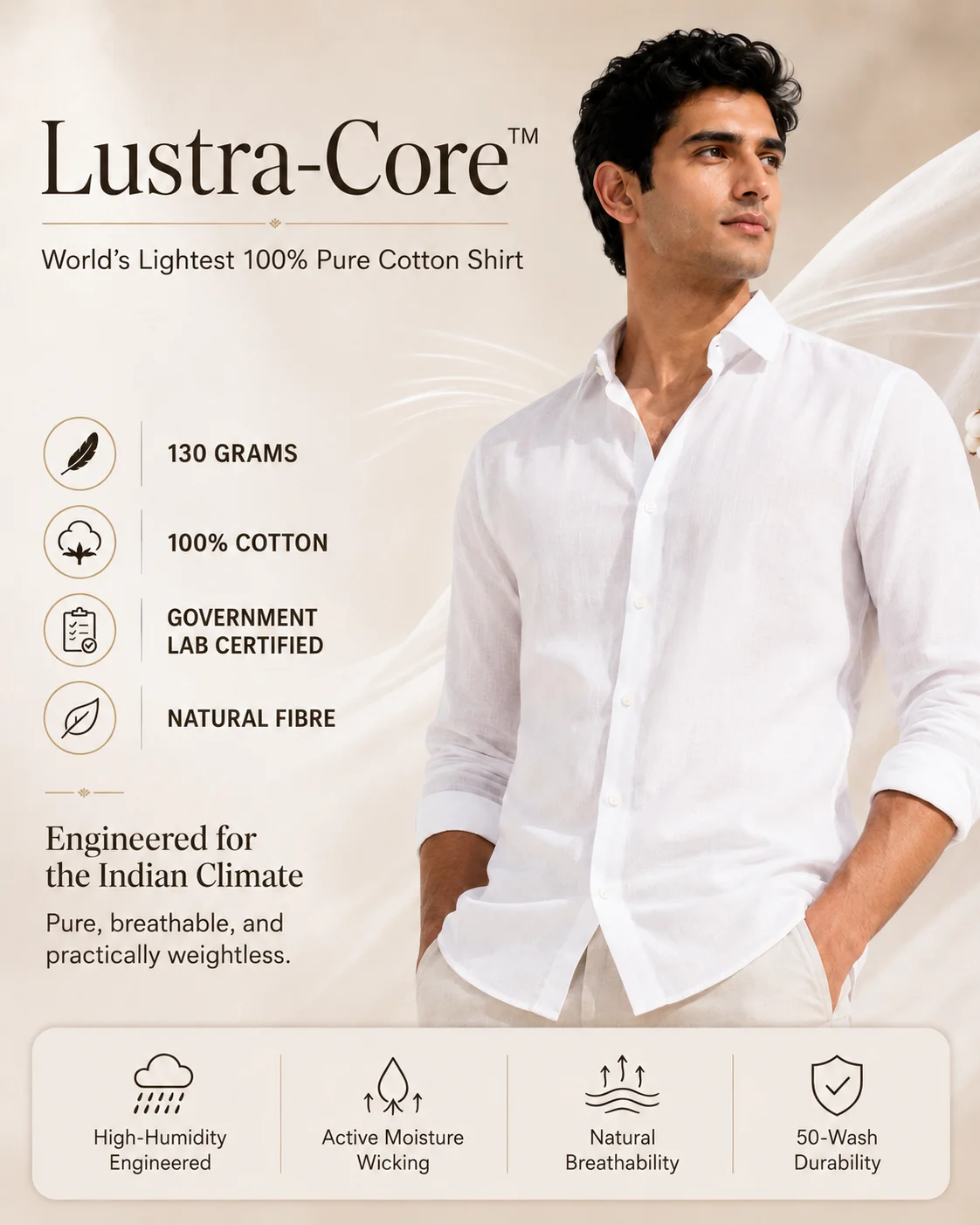
Lustra-Core™ Absolute White
Ultra-light pure cotton shirt engineered for Indian summers.
- Ease of tailoring: The uniform grain makes it simple for tailors to cut clean edges, which is why plain linen blazers and shirts maintain a sharp line even after a busy day in the office.
- Cool and airy: The loosely woven structure allows air to circulate, keeping the body temperature down in Bangalore’s sweltering summer or Chennai’s coastal heat.
- Minimalist aesthetic: A plain linen shirt paired with tailored trousers radiates understated sophistication. It works for boardroom meetings, weekend brunches, or a leisurely stroll through the colonial streets of Pondicherry.
When you slip into a well‑pressed plain linen shirt, the fabric’s natural texture subtly whispers rather than shouts, making it a perfect base for layered looks – a cotton tee underneath, a lightweight bomber jacket above, or a leather strap watch on the wrist.
Unraveling Herringbone: A Timeless Textured Pattern
The herringbone weave adds a layer of intrigue without overwhelming the eye. Its diagonal chevron pattern, though subtle, offers a tactile experience that plain weave lacks. Here’s why many Indian designers are gravitating toward herringbone linen for special‑occasion attire:
- Visual depth: The alternating V‑shapes create shadows that shift with movement, giving a static suit a sense of dynamic energy – ideal for bohemian weddings in Jaipur or a beachside reception in Goa.
- Concealed creasing: While all linen tends to wrinkle, the herringbone’s irregular texture masks the folds, keeping a suit looking polished for longer periods.
- Cultural crossover: Workshops in Jaipur and Chennai now teach artisans to stitch herringbone linen into kurta‑suits, a blend of Western tailoring and Indian drape that resonates with the modern Indian gentleman.
A herringbone linen blazer paired with crisp white chinos becomes a conversation starter at any gathering. The weave’s texture also pairs beautifully with raw‑edge denim or suede loafers, striking a balance between refined and rugged.
How Weave Texture Impacts Fabric Performance
The weave is more than a visual cue; it directly influences how the fabric behaves in different climates and activities.
- Breathability: Both plain and herringbone weaves allow airflow, but the plain weave, being slightly looser, often feels cooler in peak summer heat.
- Durability: Herringbone’s twill structure gives it extra strength along the diagonal, making it more resistant to tearing – a practical advantage for travel wardrobes.
- Weight: Plain weave linen is generally lighter, perfect for layering under a thin jacket. Herringbone tends to be a shade heavier, lending itself to standalone suits or summer jackets.
- Drape: The even surface of plain weave drapes fluidly, flattering a variety of body types. Herringbone’s structured diagonal gives a slight firmness that can accentuate a slim silhouette without looking tight.
Understanding these nuances helps you choose the right piece for the right occasion, whether you’re navigating Delhi’s scorching June mornings or the monsoon drizzle in Mumbai.
Styling Linen Weaves Thoughtfully
- Pair plain linen shirts with tailored trousers for a minimalist office look. A subtle pocket square in muted earth tones adds a touch of personality without breaking the clean line.
- Herringbone linen suits excel at bohemian weddings or coastal vacations. Pair with a lightweight silk shirt and opt for loafers or even desert boots to echo the organic vibe.
- In the summer heat, layer a plain linen shirt over a cotton tee, letting the breathable layers work together.
- For footwear, consider boots over loafers when you want to balance the organic texture of linen with a bit of edge. A pair of brown leather Chelsea boots can elevate a herringbone suit without feeling too formal.
Buying Guide: What to Look For
When selecting linen weaves, keep these pointers in mind:
- Material: Prioritise 100 % organic linen or a blend with organic cotton for sustainability. Avoid synthetic blends that can trap heat.
- Thread count: Lower counts (around 70‑90 TC) usually mean better breathability, while higher counts can feel heavier. Test the fabric by feeling it against your skin; it should feel airy, not dense.
- Texture: Feel the weave. A blunt, smooth surface works well for casual stalks like Pehanoge shirts, while a brushed or slightly raised texture hints at a more sophisticated herringbone weave.
- Origin: Look for brands that blend traditional handloom techniques with modern silhouettes. Ahmedabad mills, for example, are pioneering Afro‑beat inspired prints on linen, providing a fresh twist on classic weaves.
- Fit and finish: Ensure the garment is pre‑shrunken and has double‑stitched seams for durability – essential for the wear‑and‑tear of Indian city life.
Indian Context: Linen’s Growing Momentum
In India, linen weaves are gaining traction for their breathability during monsoons and growing eco‑credentials. Cities like Jaipur and Chennai host workshops teaching herringbone linen stitching, merging local craftsmanship with global design language. Ahmedabad’s textile mills are experimenting with Afro‑beat inspired prints on linen, creating a fusion of tradition and contemporary aesthetics. This cross‑pollination has made linen a preferred choice not only for casual wear but also for upscale events where climate‑responsive fabrics are appreciated.
FAQs
What’s the difference between plain and herringbone linen weaves?
Plain weave is a simple over‑and‑under pattern that results in a smooth, uniform surface. It is lightweight, highly breathable, and easy to tailor. Herringbone is a variation of twill with a distinctive V‑shaped diagonal pattern, offering extra texture, slightly greater weight, and better crease resistance.
Which linen weave is best for men with slim builds?
Herringbone’s subtle diagonal lines can add visual width, making it an excellent choice for slender frames. The structured texture creates an illusion of volume without bulk. However, a well‑cut plain weave shirt also works beautifully if paired with tailored trousers to maintain proportion.
How do I care for textured linen fabrics?
- Hand wash or gentle machine cycle in cold water with mild detergent.
- Avoid excessive wringing; press the fabric gently between towels to remove excess water.
- Air‑dry away from direct sunlight to prevent fading.
- Iron while damp on the reverse side using a medium heat setting; for herringbone, steam helps set the diagonal pattern without crushing it.
Can herringbone linen weave be used for all seasons?
Yes, but with nuance. In hot summer months, opt for a lighter-weight herringbone jacket or blazer, preferably in lighter shades like sand or pastel. During cooler evenings or winter in northern India, layer a herringbone linen coat over a lightweight knit to retain warmth while still enjoying the fabric’s breathability.
By understanding the subtle power of linen weaves, you can curate a wardrobe that feels native to India’s climate yet speaks the language of global style. Whether you reach for a crisp plain linen shirt for the office or a textured herringbone suit for a festive gathering, the right weave will always be the quiet champion behind your confidence.