



Thecommon assumption is that all breathable fabrics are equally sustainable, but in reality, the environmental footprint of materials like cotton and linen varies drastically. While conventional cotton shirts are often praised for their comfort, they carry a hidden cost: extreme water consumption. A single standard men’s cotton shirt can require up to 5,000 liters of water during production, from field to fabric. In contrast, eco-friendly linen, made from flax, uses roughly 1,000 liters of water per shirt. This staggering difference highlights why linen is emerging as a climate-conscious alternative for summer wear, especially in India, where water scarcity is a pressing concern.
What sets eco-friendly linen apart from its conventional counterparts is its commitment to sustainable practices. Unlike traditional flax farming, which often relies on synthetic pesticides and fertilizers, eco-friendly linen is grown using organic methods that prioritize soil health and biodiversity. This not only reduces water use but also minimizes chemical runoff into ecosystems. Additionally, flax is a resilient crop that requires less irrigation, making it a more viable option in regions with inconsistent rainfall.
Recommended for You
-
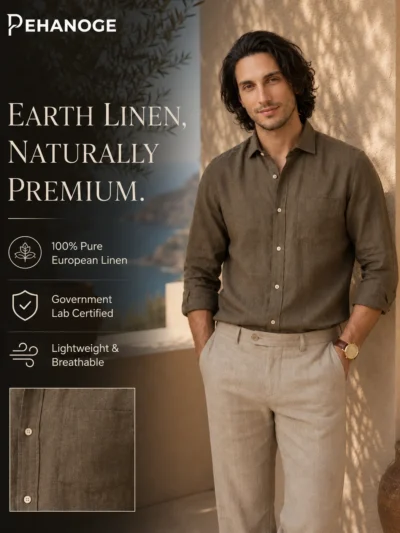
Oxy-Linen™ | Coffee Brown – 60 Lea European Linen Shirt
Original price was: ₹4,999.₹3,399Current price is: ₹3,399. -
Giza-Silk | Copper Rust Long-Staple Giza Cotton Shirt
Original price was: ₹1,499.₹1,199Current price is: ₹1,199. -

Oxy-Linen™ | Pure White – 60 Lea European Linen Shirt
Original price was: ₹4,999.₹3,399Current price is: ₹3,399.
Flax farming offers environmental benefits beyond water conservation. Flax plants absorb carbon dioxide from the atmosphere, contributing to carbon sequestration. They also require fewer synthetic inputs, reducing the overall carbon footprint of textile production. Moreover, flax can thrive in diverse climates, from the temperate zones of Europe to the varied landscapes of India. This adaptability makes it a promising alternative to cotton, which is heavily dependent on intensive irrigation and chemical treatments.
The full environmental impact of linen extends beyond farming. While its water footprint is lower, the processing of flax into fabric involves mechanical steps that are less energy-intensive than the chemical-intensive processes used for cotton. Additionally, linen is biodegradable, meaning it breaks down naturally without leaving harmful residues. However, the sustainability of linen also depends on the entire supply chain. Brands that prioritize ethical labor practices, eco-friendly dyes, and responsible transportation contribute to a more holistic low-impact garment.
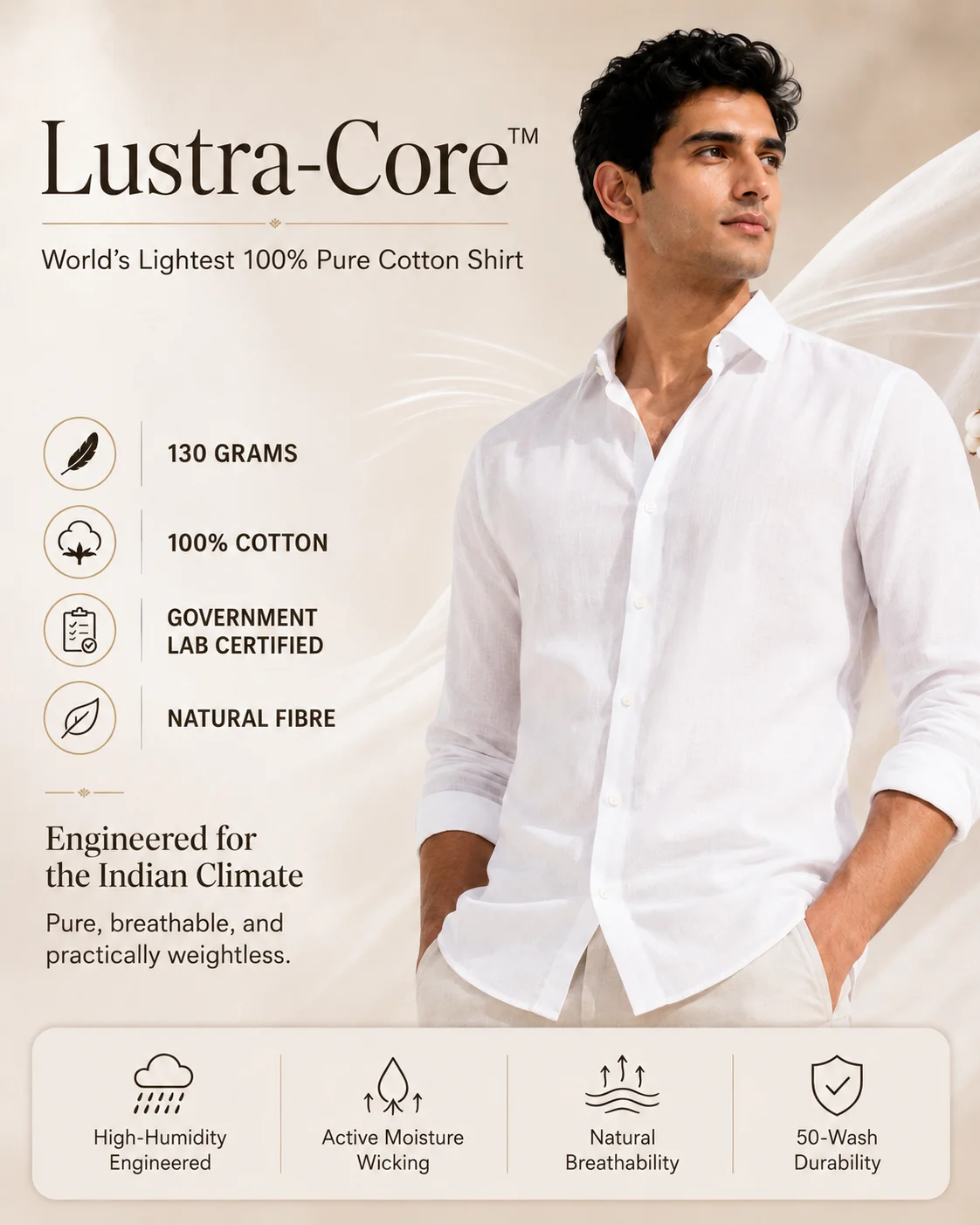
Lustra-Core™ Absolute White
Ultra-light pure cotton shirt engineered for Indian summers.
Styling eco-friendly linen for men’s warm-weather wardrobes is both practical and versatile. A linen shirt can transition seamlessly from casual to semi-formal settings. For a relaxed look, pair a linen shirt with chinos and loafers. For a more polished appearance, opt for a tailored linen blazer over a cotton tee. Wrinkle-resistant linen blends are available, but for a more natural look, embrace the fabric’s texture. Use a handheld steamer instead of chemical starch to maintain a crisp appearance. Layering linen in transitional weather involves pairing it with lighter fabrics like cotton or silk for summer, or adding a sweater in cooler months. Proper care, such as cold-water washing and air drying, extends the life of linen garments, reducing the need for frequent replacements and curbing textile waste.
When shopping for eco-friendly linen, it’s crucial to avoid greenwashed products. Watch for vague claims like “eco-friendly” without specific details. Check for transparency in sourcing and water usage data. Certifications like the Global Organic Textile Standard (GOTS), Fair Trade, and OEKO-TEX ensure that flax farming and production meet rigorous environmental and social criteria. For Indian consumers, local certifications such as the India Organic Certification can also be a reliable indicator of sustainability.
In India, the water crisis linked to cotton farming has spurred interest in flax cultivation. States like Punjab, Himachal Pradesh, and Uttarakhand are experimenting with pilot projects to grow flax, aiming to reduce the country’s reliance on water-intensive crops. These initiatives not only address environmental concerns but also offer economic opportunities for farmers. For Indian men seeking affordable, sustainable options, brands like Pehanoge are leading the way by producing linen shirts and casual wear that emphasize both style and ethical production. Supporting local linen brands helps reduce the carbon footprint associated with imported fast fashion while promoting regional sustainability.
FAQs
How does linen vs cotton water usage compare for a single standard men’s casual shirt?
A standard men’s cotton shirt can require up to 5,000 liters of water during production, while linen (flax) uses about 1,000 liters. This difference is due to flax’s lower irrigation needs and more efficient water retention in farming.
What certifications confirm that linen is truly eco-friendly, not greenwashed?
Look for certifications like the Global Organic Textile Standard (GOTS), Fair Trade, OEKO-TEX, and the India Organic Certification. These ensure that linen is produced with minimal environmental harm and ethical labor practices.
Is flax farming being scaled in India to replace water-intensive cotton crops?
Yes, states like Punjab, Himachal Pradesh, and Uttarakhand are piloting flax farming projects to reduce water use. These initiatives aim to diversify crops and promote sustainable agriculture in regions historically reliant on cotton.
What is the total environmental impact of linen beyond its low water usage in farming?
Beyond water conservation, flax farming supports soil health and carbon sequestration. However, the environmental impact also depends on processing methods, dye choices, and transportation. Brands that prioritize biodegradable dyes and local manufacturing reduce the overall footprint.